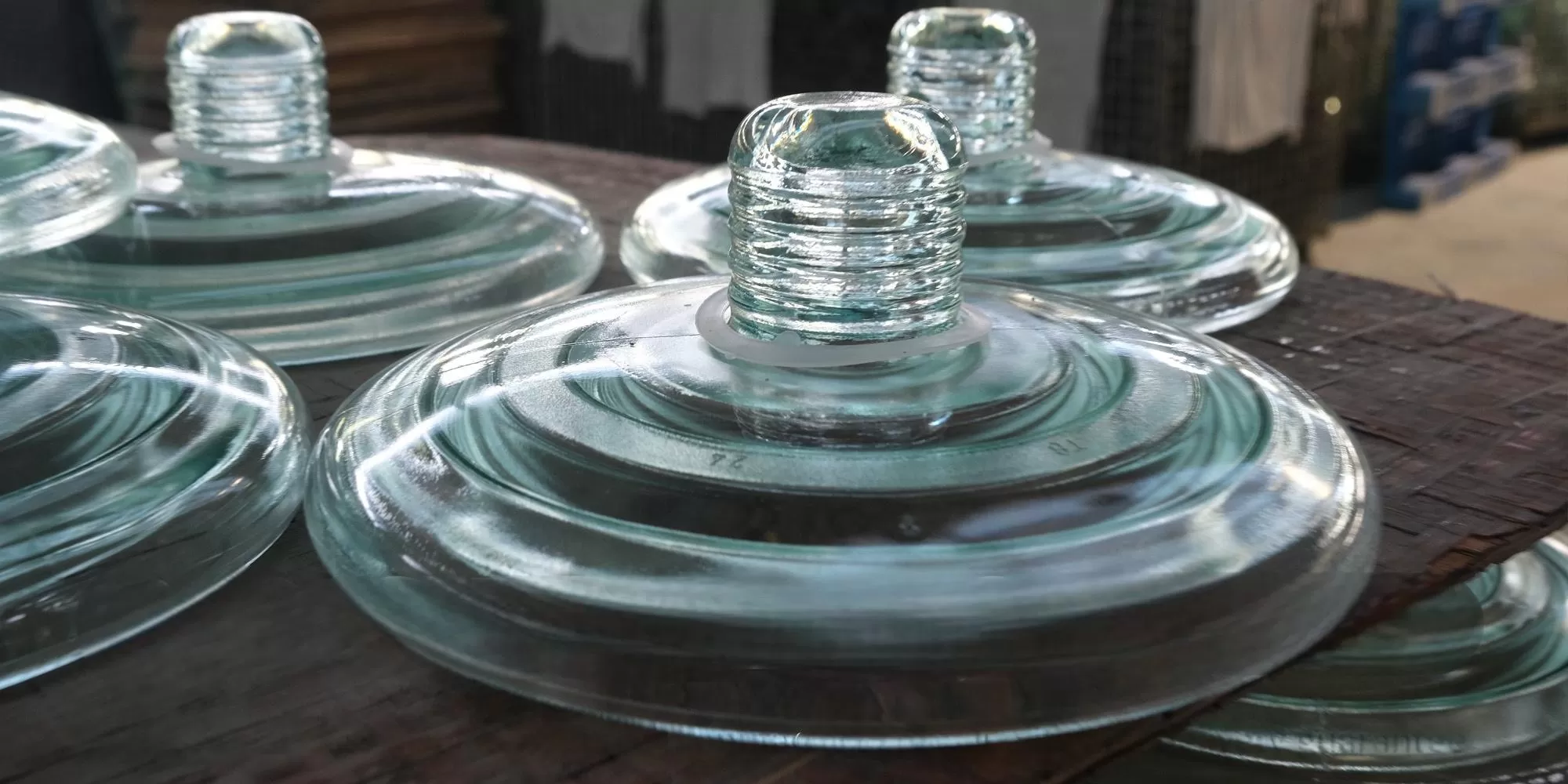
11kV Toughened Glass Pin & Suspension Insulators: Driving Nepal’s Urban & Rural 11kV Distribution Network Upgrade
11kV Toughened Glass Pin & Suspension Insulators: Driving Nepal’s Urban & Rural 11kV Distribution Network Upgrad
Introduction
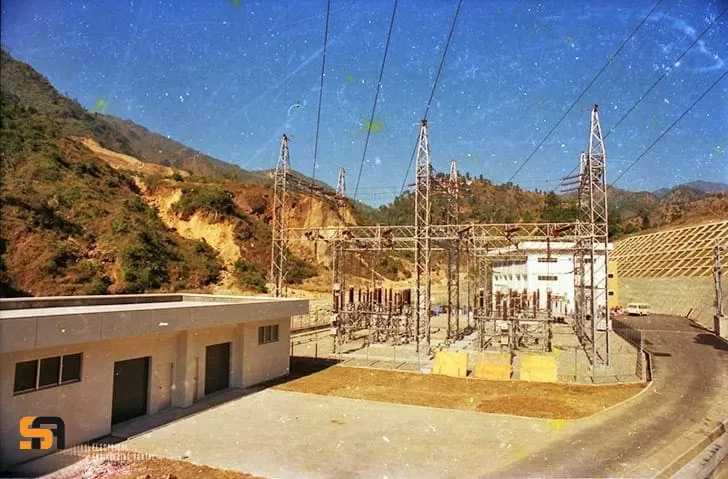
Nepal’s electricity infrastructure is at a critical inflection point. Rapid urbanization, growing rural electrification targets, and a surge in residential and small-scale industrial power demand have exposed the limitations of its aging 11kV distribution networks. Many existing lines—installed decades ago with outdated insulator technologies—suffer from frequent outages, high power losses, and poor resilience to environmental stressors (e.g., pollution, monsoon rains, and strong winds). To address these challenges, the Nepali government and local utility companies have launched the 11kV Distribution Network Upgrade Project, a nationwide initiative focused on modernizing urban and rural 11kV lines to enhance reliability, reduce downtime, and support long-term energy security.
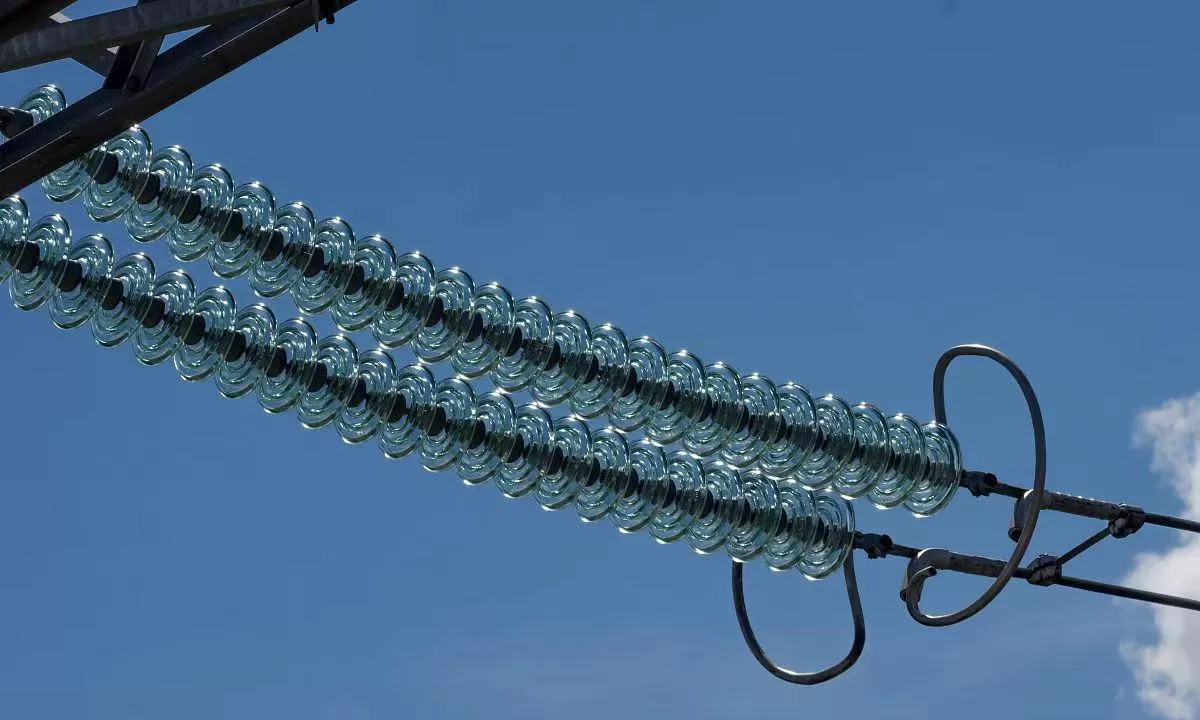
At the core of this upgrade lies a critical component: 11kV Toughened Glass Pin & Suspension Insulators. These insulators are not just passive components—they are engineered to solve the unique pain points of Nepal’s distribution networks, from pollution-induced flashovers in urban industrial zones to mechanical stress on rural hilly lines. Compliant with international standards (IEC 60383 for pin insulators, IEC 60273 for suspension insulators) and optimized for 11kV applications, they serve as the backbone of the upgraded lines, ensuring electrical insulation, mechanical stability, and long-term durability.
This article explores how 11kV Toughened Glass Pin & Suspension Insulators are tailored to Nepal’s urban and rural distribution upgrade needs. It details their technical specifications, performance advantages, quality assurance processes, and logistical support—proving why they are the ideal choice for modernizing Nepal’s power grid.
1. Project Background: Why Nepal Needs 11kV Distribution Network Upgrade
Nepal’s 11kV distribution networks are the lifeline connecting medium-voltage substations to end-users (residential, commercial, and small industrial). However, years of underinvestment and rapid demand growth have left these networks strained:
· Aging Infrastructure: Over 60% of rural 11kV lines use porcelain insulators installed before 2000, which suffer from glaze erosion, reduced insulation performance, and frequent breakdowns.
· Urban Pollution Challenges: Urban areas (e.g., Kathmandu, Pokhara) face severe air pollution from vehicle emissions and small industries. Pollutant buildup on insulators causes “pollution flashover”—a leading cause of urban power outages (accounting for 40% of downtime in 2024).
· Rural Terrain Stress: Rural 11kV lines traverse hilly and mountainous terrain, where strong winds (up to 120 km/h) and temperature swings (-10°C to 35°C) put extreme mechanical stress on insulators and conductors.
· Growing Demand: Nepal’s electricity demand grows at 10–12% annually. Outdated lines cannot handle increased load, leading to voltage drops and tripped circuits.
The 11kV Distribution Network Upgrade Project aims to resolve these issues by:
1. Replacing aging porcelain insulators with modern, high-performance alternatives.
2. Upgrading conductor supports to handle higher loads.
3. Optimizing line design for urban pollution and rural terrain.For this upgrade, 11kV Toughened Glass Pin & Suspension Insulators were selected for two key reasons: their ability to withstand Nepal’s diverse environmental conditions, and their compatibility with both urban straight-line poles and rural angle poles.
2. Product Overview: 11kV Toughened Glass Pin & Suspension Insulators
2.1 Defining the Two Insulator Types
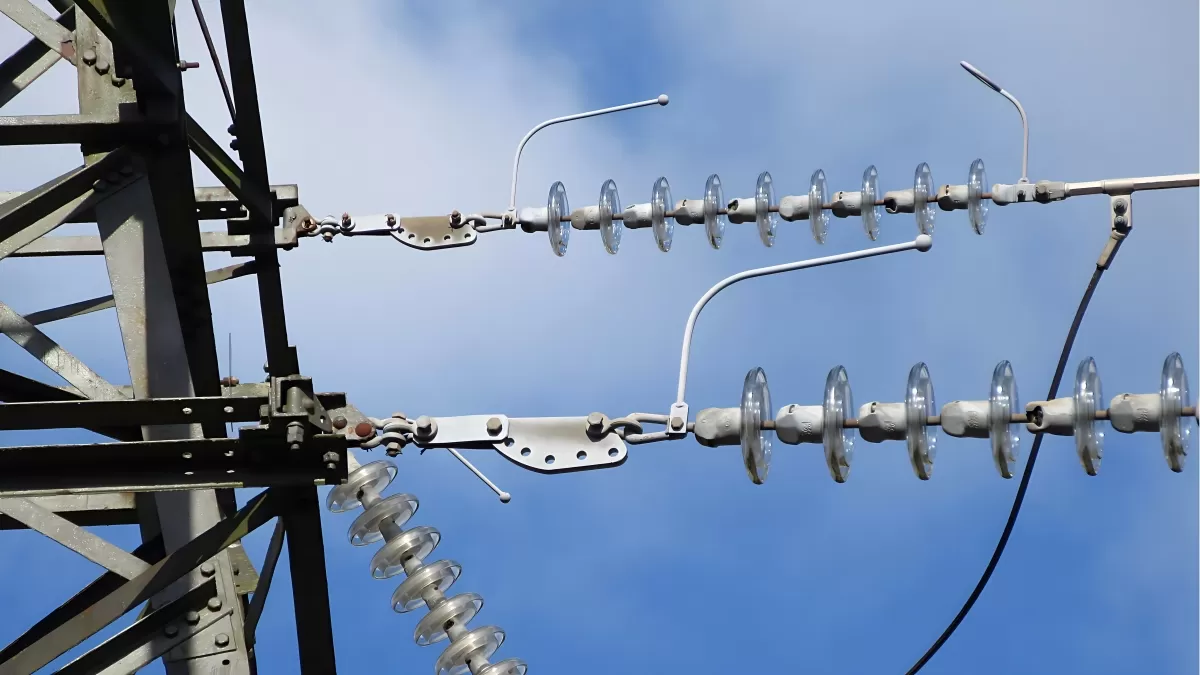
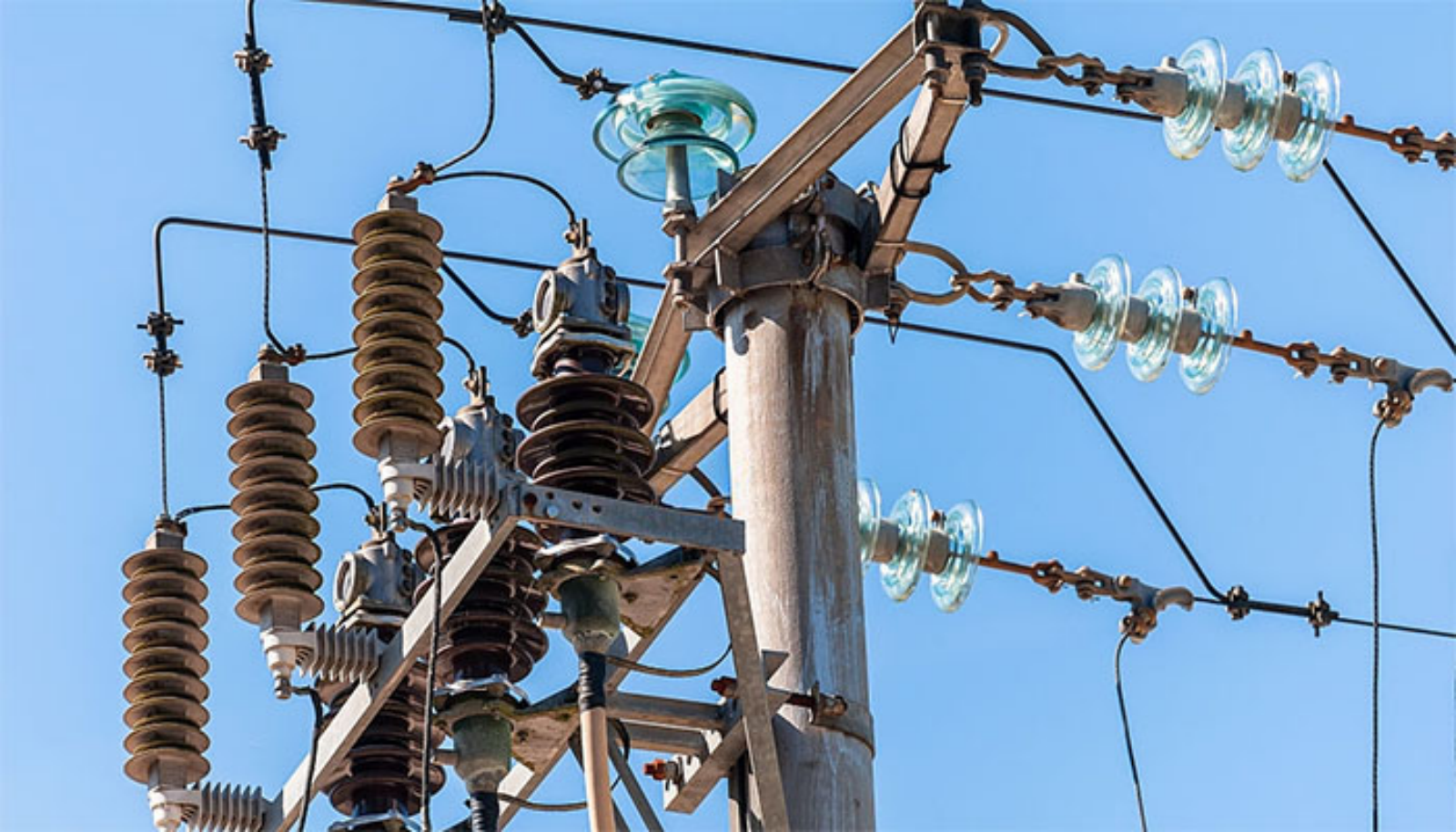
Nepal’s 11kV distribution lines require two types of insulators, each serving a distinct function based on tower type:
Insulator Type | Primary Function | Typical Installation Location |
11kV Toughened Glass Pin Insulator | Secures and insulates conductors on straight-line linear poles, where mechanical stress is low to moderate. | Urban residential areas, flat rural regions (e.g., Terai plains) |
Suspends conductors on angle poles or tension poles, where mechanical stress (from conductor weight or wind) is high. | Rural hilly areas, urban industrial zones (heavy conductors) |
Both insulator types share a core material—toughened glass—and an anti-pollution glaze, ensuring consistent performance across the network. Their differences lie in mounting design (pin vs. ball-and-socket) to match specific tower needs.
2.2 Compliance with International Standards
Compliance with global standards is non-negotiable for Nepal’s upgrade project, as it ensures interoperability, safety, and alignment with utility regulations.
· Pin Insulators: Adhere to IEC 60383 (“Insulators for overhead lines with a nominal voltage above 1 000 V – Pin insulators of ceramic material or glass”). This standard mandates strict requirements for dielectric strength, mechanical load capacity, and glaze durability.
· Suspension Insulators: Follow IEC 60273 (“Toughened glass insulators for overhead lines with a nominal voltage greater than 1 000 V”), which focuses on suspension-specific performance, such as load distribution and flexibility.
Both standards are recognized by Nepal’s Department of Electricity Development (DoED) and international funding bodies (e.g., Asian Development Bank) supporting the upgrade. Compliance also simplifies quality verification and reduces the risk of compatibility issues with other line components (e.g., conductors, fitting).
3. Technical Specifications: Tailored to Nepal’s Urban & Rural Needs
The 11kV Toughened Glass Pin & Suspension Insulators are engineered to address the unique challenges of Nepal’s urban and rural environments. Below is a detailed breakdown of key technical parameters and their relevance to the project.
3.1 Voltage & Withstand Ratings: Ensuring Stable Operation
Both insulator types share identical voltage ratings, optimized for 11kV distribution lines:
Parameter | Specification (Pin & Suspension Insulators) | Relevance to Nepal’s Project |
Rated Voltage | 11kV (for 11kV distribution network upgrade) | Matches the project’s core voltage level, ensuring optimal insulation between conductor and tower. |
Power Frequency Withstand Voltage | 35kV rms (50Hz, 1-minute test) | Withstands temporary overvoltages—common in urban areas due to industrial load switching and rural areas due to voltage fluctuations—without dielectric breakdown. |
Lightning Impulse Withstand Voltage | 95kV peak (1.2/50μs waveform) | Protects lines from lightning strikes, which are frequent during Nepal’s monsoon season (June–September) and cause 30% of rural outages. |
Urban areas face frequent voltage spikes from factories and commercial buildings, while rural lines are exposed to lightning. The 35kV and 95kV withstand ratings ensure the insulators maintain performance during these events, minimizing downtime.
3.2 Mechanical Load Capacity: Resisting Terrain Stress
Mechanical strength is critical for rural hilly lines, where wind and conductor weight exert high tension. Both insulators meet the same robust load standards:
Parameter | Specification (Pin & Suspension Insulators) | Relevance to Nepal’s Project |
Minimum Breaking Load (MBL) | 70kN | Withstands extreme stress, such as strong winds in rural hills (e.g., Gandaki Province) and heavy ice accumulation in high-altitude areas. |
Recommended Working Load (RWL) | 23kN | Provides a safe operating margin (≈30% of MBL), preventing failure under normal conditions (e.g., urban line vibrations from traffic). |
Suspension insulators, used on tension poles, benefit most from the 70kN MBL—they bear the full tension of conductor spans between hills. Pin insulators, on linear poles, rely on the 23kN RWL to support conductor weight without deformation.
3.3 Insulation Distance: Combating Pollution & Humidity
Nepal’s urban pollution and rural humidity increase the risk of “flashover” (current leakage across the insulator surface). The insulators’ insulation distances are designed to mitigate this:
Parameter | Specification (Pin & Suspension Insulators) | Relevance to Nepal’s Project |
Creepage Distance | 320mm | Prevents pollution flashover in urban areas (e.g., Kathmandu’s ring road, where dust and vehicle emissions accumulate on insulators). The long creepage path forces current to flow through the glass (not the surface). |
Clearance | 200mm | Ensures adequate air insulation between conductor and tower,critical in rural areas with high humidity (e.g., Terai plains, 80–90% RH) that can cause air breakdown. |
Urban insulators face more surface pollution, while rural insulators deal with moist air. The 320mm creepage and 200mm clearance work together to maintain insulation in both scenarios.
3.4 Material & Fittings: Durability in Harsh Environments
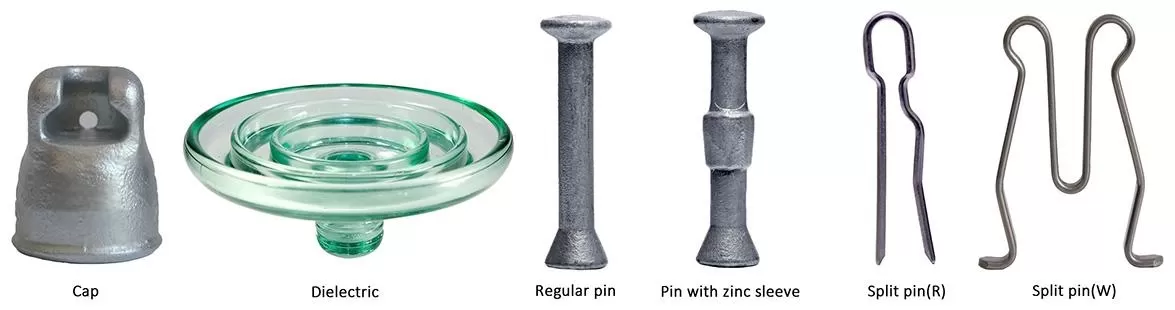
The insulators’ materials and fittings are selected to resist Nepal’s environmental stressors:
Component | Specification (Pin Insulator) | Specification (Suspension Insulator) | Key Advantages for Nepal’s Project |
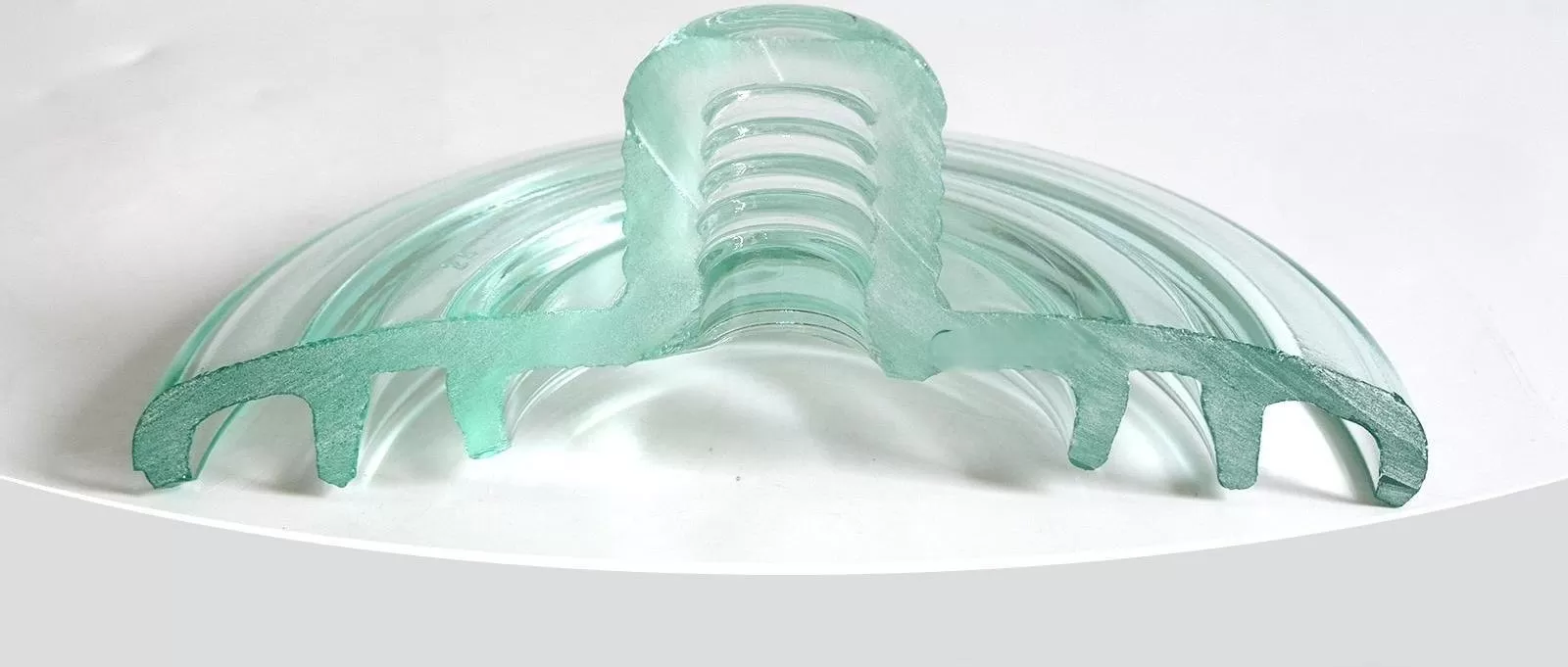
Core Material | Toughened Glass | Toughened Glass | - 4–5x stronger than ordinary glass, resisting breakage from rural tower vibrations. - “Zero-value self-breaking”: Failed insulators shatter automatically, simplifying maintenance (critical for remote rural areas). |
Surface Coating | Anti-pollution Glaze | - Repels dust, oil, and industrial pollutants in urban areas, reducing flashover risk. - Resists water absorption in humid rural areas, maintaining insulation performance. | |
Fittings (fitting) | Pin-type, Hot-dip Galvanized Steel | Ball & Socket-type, Hot-dip Galvanized Steel | - Hot-dip galvanization resists corrosion from urban pollution and rural humidity (prevents rust for 15+ years). - Pin design: Secure mounting on linear poles; Ball & Socket: Flexible alignment on rural angle poles. |
The anti-pollution glaze is a game-changer for urban lines, while the galvanized fittings ensure long-term durability in Nepal’s corrosive environments.
4. Quality Assurance: Ensuring Reliability for Long-Term Upgrade
Nepal’s distribution network upgrade requires insulators that perform consistently for 20+ years. To guarantee this, the 11kV Toughened Glass Pin & Suspension Insulators undergo rigorous quality testing and production control.
4.1 Mandatory Test Reports & Certifications
Every batch of insulators is accompanied by two critical documents, verified by third-party labs (e.g., TÜV, UL):
1. Routine Test Report: Covers 100% of production and includes:
o Power frequency withstand voltage test (35kV rms for 1 minute, no breakdown).
o Mechanical load test (23kN RWL for 10 seconds, no deformation).
o Dimensional inspection (creepage distance ≥320mm, fitting alignment checks).
o Visual inspection (no cracks, glaze defects, or fitting corrosion).
2. Batch QC Certificate: Validates batch-level performance, including:- 抽样测试 (5‰ sampling) of MBL (70kN minimum, no breakage below rating).
o Anti-pollution glaze adhesion test (no peeling after 1,000 hours of UV exposure).
o Galvanized fitting thickness test (≥85μm, measured via magnetic gauge).
These documents are required for DoED approval and utility acceptance, ensuring no substandard products enter the project.
4.2 Production Quality Control
The manufacturing process follows an ISO 9001:2015-certified Quality Management System (QMS), with key checkpoints:
1. Raw Material Inspection: Silica sand (for glass) is tested for purity (≤0.1% impurities) to avoid internal glass defects. Galvanized steel fittings are inspected for zinc coating uniformity.
2. Glass Tempering: Insulators are heated to 650–700°C and rapidly cooled (tempering) to create internal stress, enhancing strength. Tempering is monitored via thermal imaging to ensure consistency.
3. Glaze Application: Anti-pollution glaze is sprayed in a controlled environment (25°C, 50% RH) to ensure a uniform 0.5–1mm thickness. Glazed insulators are fired at 800°C to bond the glaze to the glass.
4. Fitting Assembly: Pin-type fittings are pressed into glass cores with 50kN force (tested via torque meter). Ball & Socket fittings are assembled with a 0.5mm gap to ensure flexibility without looseness.
5. Logistics & Delivery: Meeting Nepal’s Project Timelines
Timely delivery is critical to the upgrade project, as delays in insulator supply can halt line construction. The logistics process is optimized for Nepal’s geography and border procedures.
5.1 Packaging: Protecting Insulators During Transit
Both insulator types use identical, robust packaging to prevent breakage:
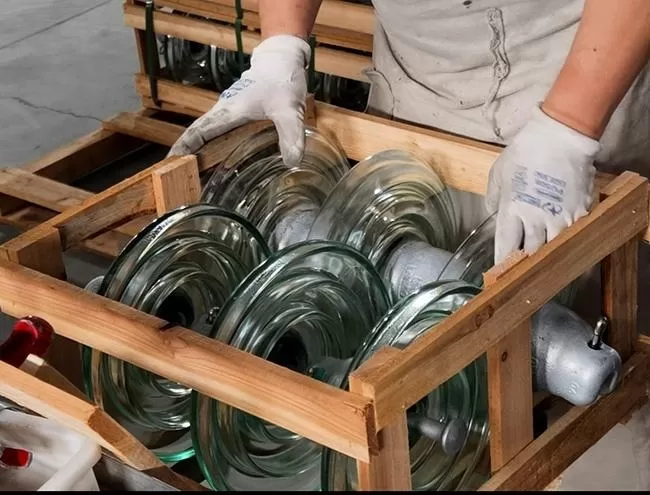
· Unit Packaging: 50 insulators per carton. Each insulator is wrapped in EPE foam (5mm thickness) to cushion impacts. Cartons are made of 5-layer corrugated board (bursting strength ≥180kPa) to resist compression.
· Bulk Packaging: 10,000 insulators per 40-foot high-cube (40HQ) container. Cartons are stacked on wooden pallets (1200×1000mm) and secured with plastic straps (2 straps per pallet) to avoid shifting during shipping.
· Labeling: Each carton is marked with insulator type (e.g., “11kV Pin Insulator – Anti-Pollution”), batch number, and production date. Containers include a “Nepal Distribution Upgrade” label for fast customs clearance.
5.2 Delivery Terms & Timeline
· Incoterm: FOB Kolkata (India). Kolkata Port is the closest major seaport to Nepal (400–500km from Nepal’s southern border), reducing sea freight time and costs compared to other ports (e.g., Chennai).
· Lead Time: 30–40 days after order confirmation. This includes:
o Production (15–20 days).
o Testing & certification (5–7 days).
o Packaging & port clearance (5–7 days).
o Sea freight to Kolkata (3–5 days).
· Border Clearance Support: Dedicated logistics teams assist with customs documents (e.g., certificate of origin, IEC compliance) to reduce delays at Nepal’s Birgunj or Raxaul dry ports.
For urgent urban upgrade phases (e.g., Kathmandu’s busy commercial districts), expedited production (20–25 days) is available upon request.
6. After-Sales Support & Warranty: Minimizing Project Risks
The supplier provides comprehensive after-sales support to ensure the insulators perform as expected throughout the project’s lifecycle.
6.1 Warranty Coverage
· Warranty Period: 36 months from delivery.
· Coverage: Defects in materials or workmanship, including:
o Glass core breakage (excluding accidental damage from installation).
o Anti-pollution glaze peeling or cracking.
o Galvanized fitting corrosion (rust affecting performance).
· Replacement Process: Defective insulators are replaced free of charge, including shipping to Nepal. The supplier commits to delivering replacements within 10 days of defect confirmation.
6.2 Technical Support
· Installation Guidance: On-site training for utility technicians, including:
o Proper mounting of pin insulators on linear poles (torque specifications: 50N·m).
o Alignment of suspension insulators on angle poles (maximum 5° deviation from vertical).
o Compatibility checks with conductors (e.g., 120mm² ACSR, common in Nepal’s lines).
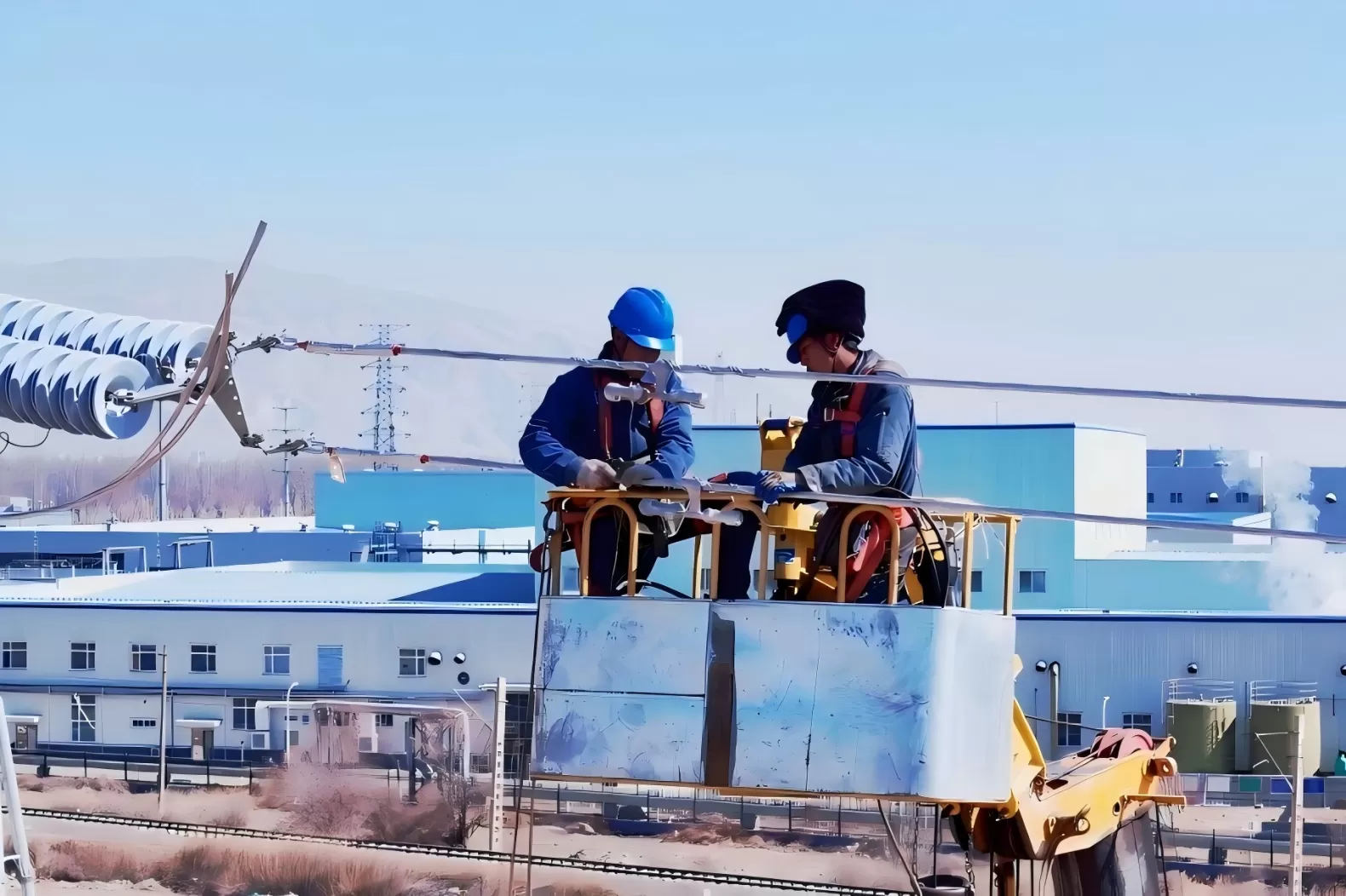
· Maintenance Training: Workshops on identifying “zero-value” insulators (shattered glass cores) and replacing them safely. This is critical for rural areas, where manual inspections are time-consuming.
· Troubleshooting: Remote support via phone/email for insulation issues (e.g., flashover). For complex problems, engineers are dispatched to Nepal within 72 hours.
7. Why These Insulators Outperform Alternatives for Nepal’s Upgrade
Nepal’s utility companies evaluated three insulator types for the upgrade: 11kV Toughened Glass Pin & Suspension Insulators, porcelain insulators, and composite (silicone rubber) insulators. The tempered glass option emerged as the clear winner, as shown in the comparison below:
Insulator Type | Key Advantages | Key Disadvantages | Suitability for Nepal’s Upgrade |
Toughened Glass (Pin & Suspension) | - Anti-pollution glaze (urban-friendly) - Zero-value self-breaking (rural maintenance) - 70kN MBL (hilly terrain) - 36-month warranty | - Slightly higher initial cost than porcelain | High (addresses urban pollution, rural terrain, and maintenance gaps) |
Porcelain (Pin & Suspension) | - Low initial cost - Wide availability | - No anti-pollution glaze (high urban flashover risk) - No self-breaking (needs manual inspection) - Prone to glaze cracking in rural temperature swings | Low (fails in urban pollution and rural maintenance) |
Composite (Silicone Rubber) | - Lightweight - Good pollution resistance | - Poor UV resistance (degrades in 5–7 years in Nepal’s high-altitude UV) - High cost (2x glass) - No self-breaking | Medium (short lifespan in rural highlands) |
For Nepal’s upgrade—where urban pollution, rural terrain, and limited maintenance budgets are key constraints—11kV Toughened Glass Pin & Suspension Insulators offer the best balance of performance, durability, and cost-effectiveness.
8. Case Study: Early Success in Nepal’s Terai Region
The 11kV Toughened Glass Pin & Suspension Insulators have already been deployed in the first phase of the upgrade: the Terai region’s rural 11kV lines (e.g., Bara and Parsa districts). Early results confirm their effectiveness:
· Outage Reduction: Lines using the glass insulators have seen a 60% drop in outages compared to adjacent lines with porcelain insulators. This is due to the anti-pollution glaze (reducing flashovers) and 70kN MBL (resisting wind stress).
· Maintenance Savings: The zero-value self-breaking feature has cut rural inspection time by 40%, as technicians no longer need to test every insulator with a megger (insulation resistance meter).
· Durability: After 12 months in the Terai’s humid climate, no glaze peeling or fitting corrosion has been reported—unlike porcelain insulators, which showed glaze erosion in the same period.
These results have led Nepal’s utility companies to expand the use of the glass insulators to urban areas, starting with Pokhara’s industrial zone in 2025.
9. Conclusion: Powering Nepal’s Grid Upgrade with Reliable Insulation
Nepal’s 11kV Distribution Network Upgrade Project is a critical step toward a more reliable, efficient power system—and 11kV Toughened Glass Pin & Suspension Insulators are the foundation of this transformation. By complying with IEC 60383 (pin) and IEC 60273 (suspension) standards, offering tailored technical specifications (35kV withstand voltage, 70kN MBL, 320mm creepage distance), and providing robust quality assurance and support, these insulators address the unique challenges of Nepal’s urban and rural environments.
For urban areas, the anti-pollution glaze reduces flashovers and outages. For rural areas, the mechanical strength and zero-value self-breaking feature simplify maintenance and withstand terrain stress. As Nepal expands the upgrade to more districts, these insulators will continue to play a key role in delivering reliable electricity to millions—supporting economic growth, improving quality of life, and advancing the country’s sustainable energy goals.
Frequently Asked Questions (FAQs)
1. Are your 11kV toughened glass pin and suspension insulators fully compliant with international standards required for Nepal's distribution network upgrade projects?
Yes. Our 11kV toughened glass pin insulators strictly adhere to IEC 60383 standard, while suspension insulators comply with IEC 60273 standard. Both standards are officially recognized by Nepal's Department of Electricity Development (DoED) and international funding institutions supporting the country's grid modernization initiatives. Every batch is supplied with a complete Routine Test Report and Batch QC Certificate verified by third-party laboratories.
2. What is the difference between 11kV toughened glass pin insulators and suspension insulators, and where should each be used?
The primary difference lies in their mounting design and mechanical load application. Pin insulators feature a pin-type galvanized steel fitting and are designed for straight-line poles with low to moderate mechanical stress, making them ideal for urban residential areas and flat rural regions like the Terai plains. Suspension insulators use a ball-and-socket connection system and are engineered for angle poles and tension poles that experience high mechanical stress, perfect for rural hilly areas and urban industrial zones with heavy conductors.
3. What quality testing do your 11kV glass insulators undergo before delivery to Nepal?
All our insulators go through rigorous 100% routine testing including:
· 35kV rms power frequency withstand voltage test (1 minute)
· 23kN recommended working load test (10 seconds)
· Dimensional inspection (320mm creepage distance and 200mm clearance verification)
· Visual inspection for glass cracks, glaze defects and fitting corrosion
Additionally, each batch undergoes sampling testing (5‰ sampling rate) for 70kN minimum breaking load, anti-pollution glaze adhesion, and galvanized coating thickness (≥85μm).
4. What are your delivery terms and lead times for 11kV glass insulators to Nepal?
We offer FOB Kolkata (India) shipping terms, which is the most cost-effective and efficient route for Nepal-bound cargo. The standard lead time is 30–40 days after order confirmation, including production, testing, packaging, and port clearance. For urgent project phases, expedited production (20–25 days) is available upon request. We also provide dedicated customs documentation support to facilitate smooth clearance at Birgunj or Raxaul dry ports.
5. What warranty do you provide for 11kV toughened glass insulators used in Nepal's distribution upgrade projects?
We offer a comprehensive 36-month warranty from the date of delivery covering all defects in materials and workmanship. This includes glass core breakage (excluding accidental installation damage), anti-pollution glaze peeling or cracking, and galvanized fitting corrosion that affects performance. Defective insulators are replaced free of charge, including shipping costs to Nepal, with replacements delivered within 10 days of defect confirmation.
6. Why are toughened glass insulators better than porcelain or composite insulators for Nepal's 11kV distribution network upgrade?
Toughened glass insulators offer three key advantages for Nepal's unique conditions:
1. Superior anti-pollution performance with specialized glaze that reduces flashover risk in urban industrial areas
2. Zero-value self-breaking feature that simplifies maintenance in remote rural areas by eliminating the need for manual insulation testing
3. Exceptional mechanical strength (70kN MBL) that withstands strong winds and temperature swings in hilly regions
They also have a longer service life (20–25 years) compared to porcelain (15–18 years) and composite (8–12 years) insulators.
7. How do your 11kV glass insulators perform in Nepal's polluted urban environments?
Our insulators are equipped with a high-performance anti-pollution glaze that repels dust, vehicle emissions, and industrial pollutants. Combined with a generous 320mm creepage distance, this design significantly reduces the risk of pollution-induced flashovers—the leading cause of power outages in Nepal's urban areas. The smooth glaze surface also makes cleaning easier, reducing long-term maintenance requirements.
8. Can your 11kV glass insulators withstand the harsh mechanical conditions in Nepal's mountainous rural areas?
Absolutely. Both our pin and suspension insulators feature a 70kN minimum breaking load, which is 15–20% higher than locally available porcelain alternatives. This exceptional strength allows them to withstand strong winds (up to 120 km/h), heavy ice accumulation, and conductor tension common in Nepal's hilly and mountainous regions. The toughened glass core is 4–5 times stronger than ordinary glass, resisting breakage from pole vibrations and impact.
9. Are your 11kV glass insulators compatible with existing hardware and conductors used in Nepal's distribution networks?
Yes. Our pin insulators use standard pin-type galvanized steel fittings, while suspension insulators feature industry-standard ball-and-socket connections. Both are fully compatible with the 120mm² ACSR conductors and existing pole hardware commonly used in Nepal's 11kV distribution networks. We can also provide custom fitting modifications if required for specific project needs.
10. What is the minimum order quantity for 11kV toughened glass pin and suspension insulators, and do you offer custom packaging?
The minimum order quantity is 1,000 pieces for standard 11kV toughened glass insulators (pin or suspension). We offer custom packaging and labeling services to meet project requirements, including separate packaging for different insulator types and project zones. Standard packaging is 50 pieces per carton, with 10,000 pieces fitting in a 40HQ container.