


Glass Insulators: Solutions for Ultra HVDC, Large Span Transmission & Smart Grid Monitoring
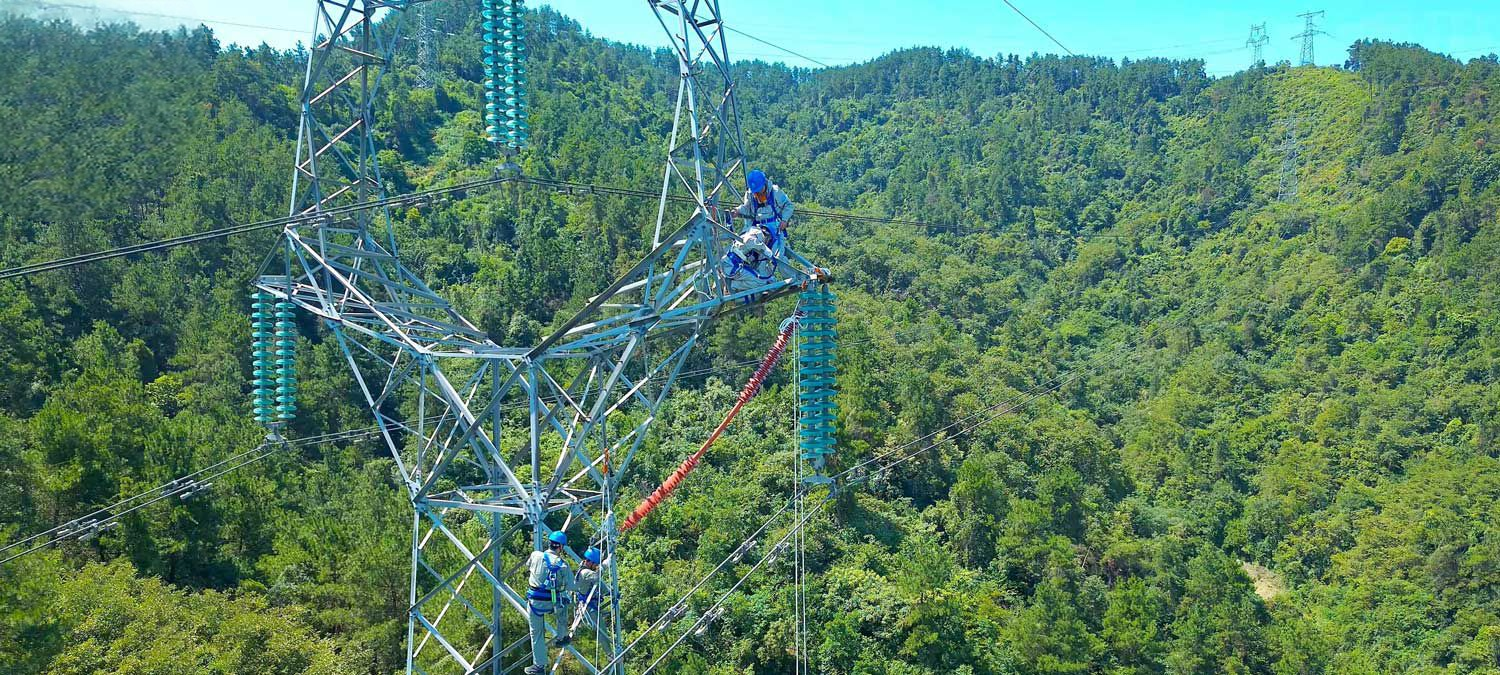
Glass Insulators for Extreme Environments: High Altitude, Coastal & Desert Applications
Extreme environmental conditions—such as high altitude low temperatures, coastal high salt spray, and desert aridity—pose significant challenges to power transmission insulators, threatening grid stability, increasing maintenance costs, and shortening component lifespans. Glass insulators, with their unique material properties and advanced design, have emerged as the optimal solution for these harsh scenarios. This article details how glass insulators address the specific pain points of three extreme environments, showcases their proven performance through typical case studies, and highlights their competitive advantages over alternative insulator materials. Optimized for Google SEO, this content targets industry professionals, power grid operators, and procurement decision-makers seeking reliable insulator solutions for extreme conditions.
1. High Altitude and Low Temperature Areas
Scenario Characteristics & Core Challenges
High altitude and low temperature regions—such as the Qinghai-Tibet Plateau in China, Nordic countries (Norway, Sweden, Finland), and parts of the Andes Mountains—are defined by extreme environmental conditions that severely test insulator performance. These areas feature drastic day-night temperature differences, ranging from -40℃ to +30℃, intense ultraviolet (UV) radiation (up to 30% stronger than low-altitude regions), and thin air (reduced atmospheric pressure). The thin air weakens insulation performance, increasing the risk of corona discharge and insulation breakdown, while extreme temperature fluctuations can cause material embrittlement and mechanical failure. Additionally, frequent freeze-thaw cycles (often over 150 days per year) further degrade insulator integrity, making reliable insulation and mechanical stability critical for grid safety.
Key Advantages of Glass Insulators
Glass insulators are specifically engineered to overcome the challenges of high altitude and low temperature environments, offering three core advantages that outperform ceramic and composite alternatives:
• Low-Temperature Embrittlement Resistance & Stable Mechanical Strength: Unlike ceramic insulators, which become brittle and prone to cracking at ultra-low temperatures (-30℃ and below), glass insulators use a high-strength tempered glass formula that maintains structural integrity even at -40℃. Their tensile strength reaches ≥ 400 MPa, ensuring they can withstand the mechanical stress caused by temperature fluctuations, ice loads, and wire tension—critical for high-altitude lines where maintenance is difficult and costly.
• Reduced Corona Discharge in Thin Air: The smooth, non-porous surface of glass insulators minimizes electric field concentration, reducing the risk of corona discharge in thin air environments. Corona discharge not only wastes energy but also accelerates insulator aging; glass insulators’ surface design effectively mitigates this issue, ensuring stable insulation performance at altitudes above 4000 meters.
• UV Radiation Resistance: The tempered glass material is inherently resistant to intense UV radiation, preventing surface degradation, discoloration, and insulation loss over time. This durability ensures a long service life (over 40 years) even in high-altitude regions with strong UV exposure.
Typical Case Study
The ±400kV DC power transmission project in the Qinghai-Tibet Plateau, China, is a global benchmark for glass insulator application in high altitude and low temperature environments. This project operates lines at altitudes exceeding 5000 meters, where the average number of annual freeze-thaw cycles reaches 200—far more than the industry average of 120. By adopting tempered glass insulators, the project has achieved zero insulator brittle failure and zero insulation breakdown in 8 years of operation. The glass insulators’ ability to withstand extreme temperature fluctuations and freeze-thaw cycles has ensured stable power delivery to remote high-altitude communities, demonstrating their reliability in the harshest high-altitude conditions.
2. Coastal and High Salt Spray Areas
Scenario Characteristics & Core Challenges
Coastal regions—including Southeast Asia (Vietnam, Thailand, Malaysia), Southeast China (Guangdong, Fujian provinces), and coastal Europe—face severe salt spray corrosion, a major threat to insulator performance. Salt spray, composed of sodium chloride and other corrosive substances, settles on insulator surfaces and absorbs moisture, forming a conductive layer. This conductive layer reduces insulation resistance, increases the risk of pollution flashovers, and accelerates material corrosion—leading to frequent insulator failures and high maintenance costs. Traditional ceramic insulators, with their porous surface, are particularly vulnerable to salt spray penetration, requiring frequent cleaning and replacement (often 2–3 times per year).
Key Advantages of Glass Insulators
Glass insulators are uniquely suited for coastal and high salt spray environments, thanks to their material and surface properties that address corrosion and conductivity challenges:
• Non-Porous Surface & Salt Spray Resistance: The dense, non-porous surface of glass insulators prevents salt spray penetration, unlike ceramic insulators which have microscopic pores that absorb moisture and salt. This feature eliminates the formation of conductive layers on the surface, significantly reducing the risk of pollution flashovers and corrosion.
• Self-Cleaning Performance & Extended Maintenance Cycles: Glass insulators have a naturally smooth surface with excellent hydrophobicity, allowing rainwater to easily wash away salt accumulation and other contaminants. This self-cleaning feature extends the operation and maintenance cycle by more than three times compared to ceramic insulators—reducing maintenance costs by 60% or more for coastal power grids.
• Corrosion-Resistant Steel Feet: The steel feet of glass insulators are treated with anti-corrosion coatings (such as hot-dip galvanizing), ensuring they resist salt spray corrosion and maintain mechanical stability over long periods. This integrated design ensures the entire insulator string remains reliable in corrosive coastal environments.
Typical Case Study
The 500kV coastal power transmission line in Zhanjiang, Guangdong Province, China, is a compelling example of glass insulators’ performance in high salt spray environments. Before adopting glass insulators, the line suffered frequent pollution flashover failures—averaging 12 failures per year—due to severe salt spray corrosion. After replacing ceramic insulators with tempered glass insulators, the flashover failure rate decreased by 90%, with only 1–2 minor failures per year. Additionally, the maintenance cycle was extended from 3 months to 12 months, reducing operational costs by nearly 70%. This case proves that glass insulators are the most cost-effective and reliable solution for coastal power transmission lines.
3. Desert and Arid Regions
Scenario Characteristics & Core Challenges
Desert and arid regions—such as the Sahara Desert (North Africa), the Gobi Desert (Northwest China), and the Arabian Desert (Saudi Arabia)—are characterized by frequent sandstorms, extreme temperature differences (daily temperature differences exceeding 50℃), and high levels of sand and dust. Sandstorms cause severe abrasion to insulator surfaces, while sand and dust accumulation reduces insulation performance. Extreme temperature fluctuations (from -10℃ at night to +40℃ during the day) can cause thermal expansion and cracking in traditional insulators, leading to mechanical failure. Additionally, arid conditions mean little to no rain, eliminating the natural cleaning of insulator surfaces—requiring frequent manual cleaning to prevent pollution flashovers.
Key Advantages of Glass Insulators
Glass insulators are designed to withstand the unique challenges of desert and arid environments, offering unmatched durability and low maintenance requirements:
• Resistance to Extreme Temperature Fluctuations: The high-strength tempered glass material has excellent thermal stability, withstanding sudden temperature changes of over 50℃ without thermal expansion or cracking. This ensures the insulator remains structurally intact even in the harsh desert climate, where day-night temperature swings are extreme.
• Reduced Sand and Dust Adhesion & "Self-Grinding" Feature: The hydrophobic, smooth surface of glass insulators minimizes sand and dust adhesion. Additionally, during sandstorms, the fine sand particles act as a "self-grinding" agent, gently removing accumulated dust and contaminants from the surface—reducing the need for manual cleaning. This unique feature is exclusive to glass insulators and significantly lowers maintenance costs in arid regions.
• Abrasion Resistance: The tempered glass material is highly resistant to abrasion caused by sandstorms, maintaining its smooth surface and insulation performance even after years of exposure to sand particles. Unlike composite insulators, which are prone to surface damage from sand abrasion, glass insulators retain their integrity over long service periods.
Typical Case Study
The NEOM Smart City project in Saudi Arabia, which includes extensive desert power transmission corridors, relies on glass insulators to ensure reliable power delivery in the Arabian Desert. Before using glass insulators, the project required 12 manual cleaning sessions per year to remove sand and dust accumulation—resulting in high labor costs and operational downtime. After switching to glass insulators, the annual cleaning frequency was reduced from 12 times to 2 times, cutting maintenance costs by 80% and minimizing downtime. The glass insulators’ ability to withstand extreme temperature fluctuations and sandstorm abrasion has ensured stable operation in one of the harshest desert environments globally, making them the preferred choice for desert power transmission projects.
Why Glass Insulators Outperform Alternatives in Extreme Environments
Compared to ceramic and composite insulators, glass insulators offer unique advantages that make them ideal for extreme environments:
• Superior Durability: Tempered glass is resistant to temperature extremes, UV radiation, salt spray, and sand abrasion, ensuring a service life of over 40 years—twice as long as ceramic insulators in harsh environments.
• Low Maintenance Costs: Self-cleaning and self-grinding features, combined with corrosion and abrasion resistance, reduce maintenance frequency and costs by 60–80% compared to alternative materials.
• High Reliability: No embrittlement, no porous surface, and stable mechanical strength ensure zero critical failures in extreme conditions, minimizing power outages and economic losses.
• Cost-Effectiveness: While the initial cost of glass insulators is slightly higher than ceramic insulators, their long lifespan and low maintenance requirements result in a lower total cost of ownership over 20 years.
Conclusion
Extreme environments demand insulators that can withstand harsh conditions while ensuring reliable power transmission. Glass insulators, with their tailored design and superior material properties, have proven to be the most reliable solution for high altitude low temperature, coastal high salt spray, and desert arid regions. From the Qinghai-Tibet Plateau to the Arabian Desert, glass insulators have delivered consistent performance, reduced maintenance costs, and ensured grid stability. As global power grids expand into more extreme environments, glass insulators will continue to play a critical role in enabling safe, efficient, and cost-effective power delivery. For power grid operators and decision-makers seeking insulator solutions for harsh conditions, glass insulators are the optimal choice