Electrical Insulators: Types, Industrial Applications, Maintenance & Ultimate Buying Guide
Electrical Insulators: Types, Industrial Applications, Maintenance & Ultimate Buying Guide
1. Introduction to Modern Electrical Insulation Technology
The global powergrid usa and regional electrical infrastructure systems rely entirely on high-performance electric insulators to maintain operational stability, electrical safety, and power transmission efficiency. While basic definitions of what is insulator and conductor are foundational for electrical engineering, industrial and commercial applications demand in-depth knowledge of insulator classification, material performance, scenario-based selection, and daily maintenance. Unlike general civil insulation materials, professional electrical insulators used in overhead power line systems, electric fence facilities and industrial buildings must withstand high voltage shock, long-term mechanical tension, and complex environmental erosion.
Among all mainstream insulating materials, glass insulators have become the preferred choice for high-voltage transmission and distribution networks worldwide due to their unique physical and electrical properties, replacing traditional ceramic insulators and partial polymeric insulators in many key scenarios. This article focuses on industrial-grade electrical insulation technology, excludes vintage glass electrical insulators for collection, and systematically elaborates on insulator working principles, diversified types, application scenarios including insulators for electric fence, insulating the garage and insulating a shipping container, as well as professional maintenance and procurement guidelines, providing technical support for power engineering construction and daily electrical safety operation.
2. Core Definition: Insulator, Conductor and Basic Electrical Principles
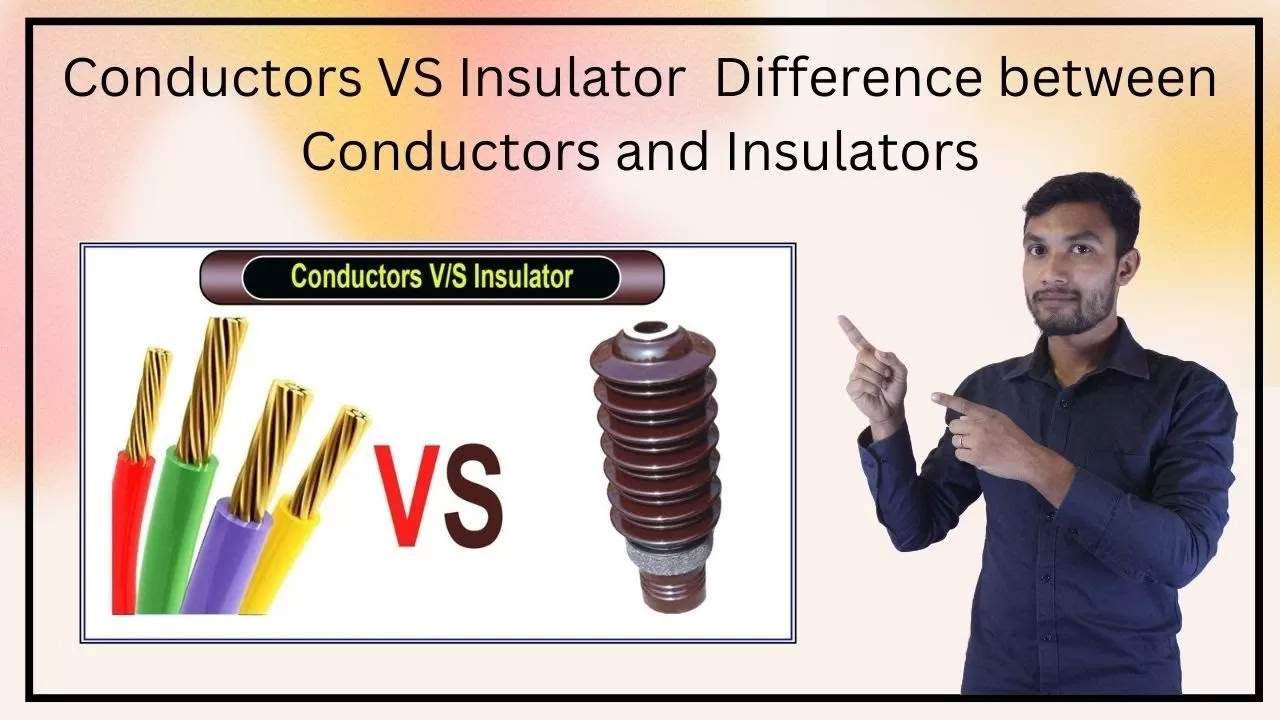
To fully master the application of electrical insulation technology, it is necessary to clarify the insulators definition and the essential difference between insulators and conductors. An electrical insulator is a dielectric material with extremely high electrical resistivity, which cannot produce free conductive electrons under normal working voltage, effectively blocking the leakage and transmission of electric current. In contrast, conductors represented by copper and aluminum have a large number of free electrons inside, which can directionally move to form electric current under the action of electric field force.
Many engineering practitioners often ask: Is glass a conductor or insulator? The standard industrial answer is that high-purity toughened glass is a superior electrical insulator. Glass as insulator has stable molecular structure, no free charge carriers at room temperature, and its dielectric strength is far higher than most polymer and ceramic materials. Only under extreme conditions such as melting high temperature, strong ionizing radiation and serious surface conductive pollution, glass will temporarily lose its insulating performance, which will automatically recover after the environment returns to normal.
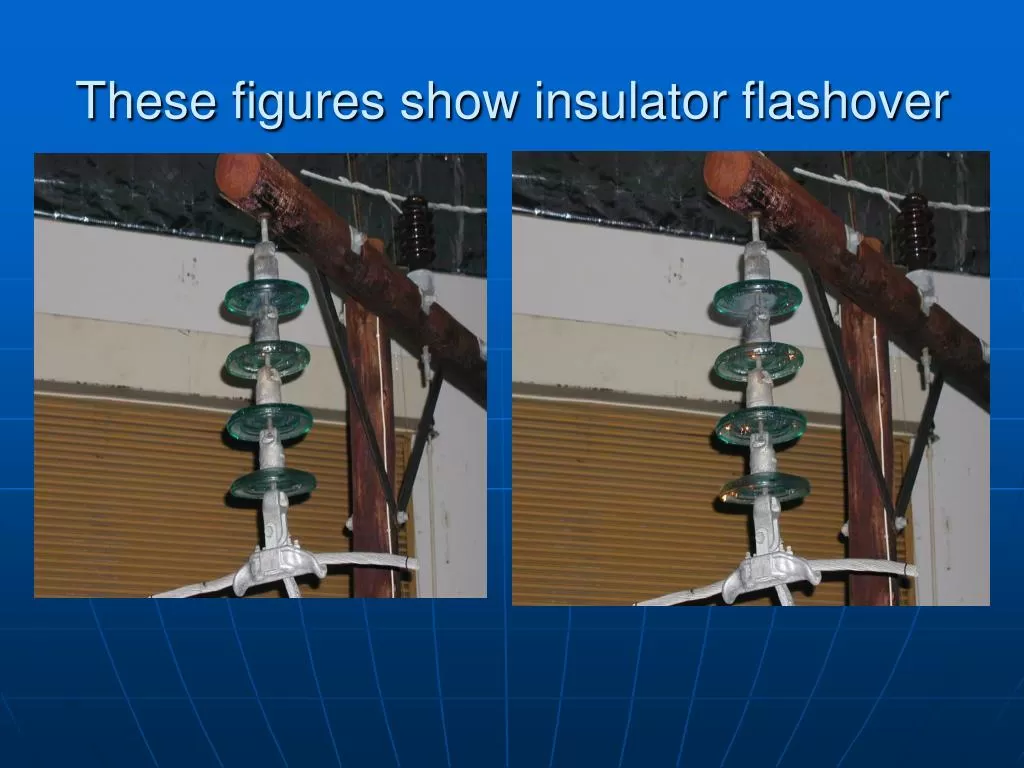
The core working standards of all electric insulators are based on two indicators: dielectric strength and surface leakage resistance. Dielectric strength determines the maximum voltage the insulator can withstand without breakdown, while surface leakage resistance prevents flashover accidents caused by moisture, dust and industrial pollutants on the surface of overhead line equipment. This is also the core basis for distinguishing industrial professional insulators from ordinary civil insulation materials.
3. Main Types of Electrical Insulators and Material Performance Comparison
According to manufacturing materials and structural design, industrial electrical insulators are mainly divided into three categories: glass insulators, ceramic insulators and polymeric insulators. Each type has unique performance characteristics and applicable scenarios, which directly affects the safety and service life of power line operation.
3.1 Glass Electrical Insulators (Core Industrial Product)
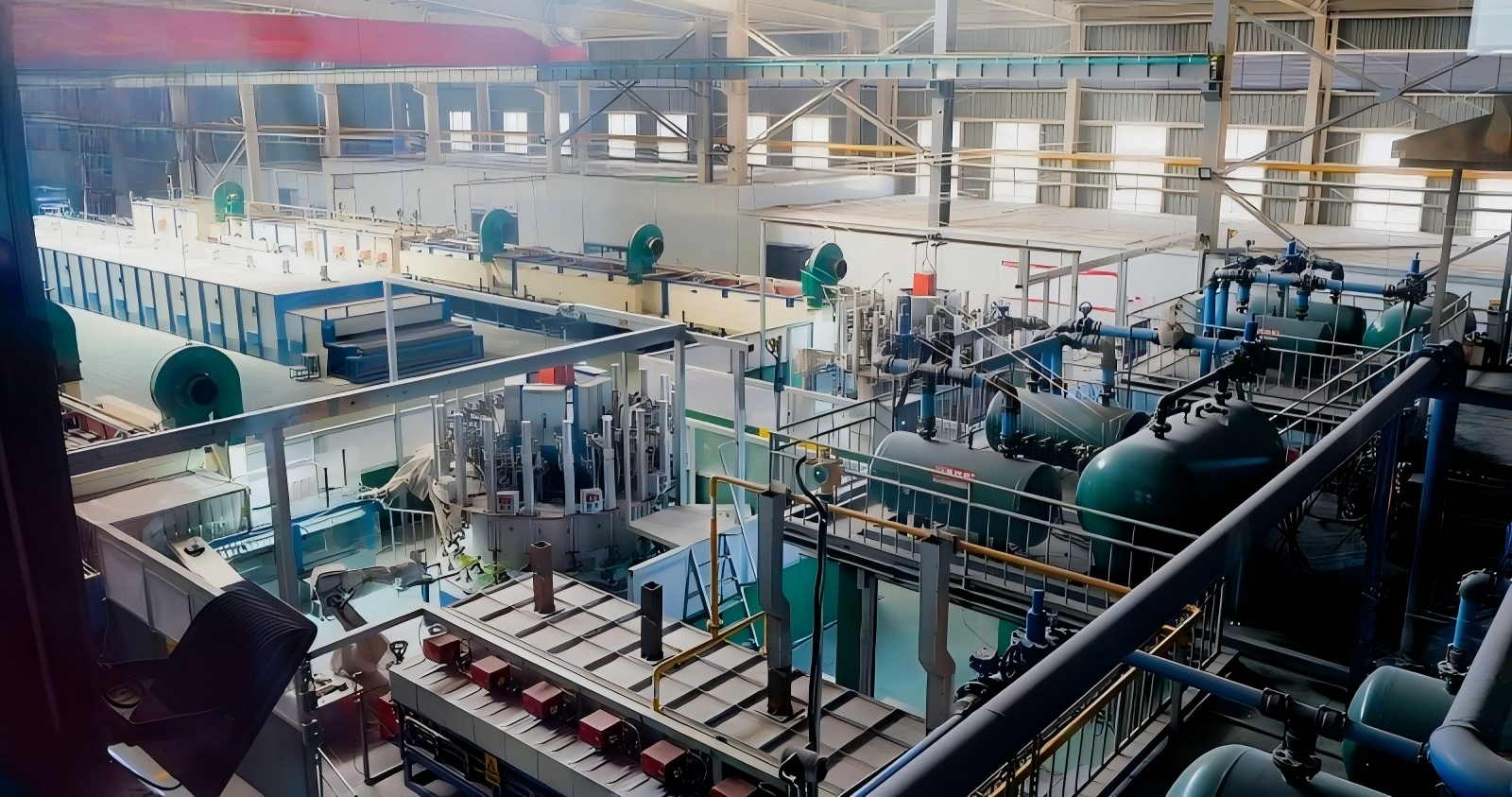
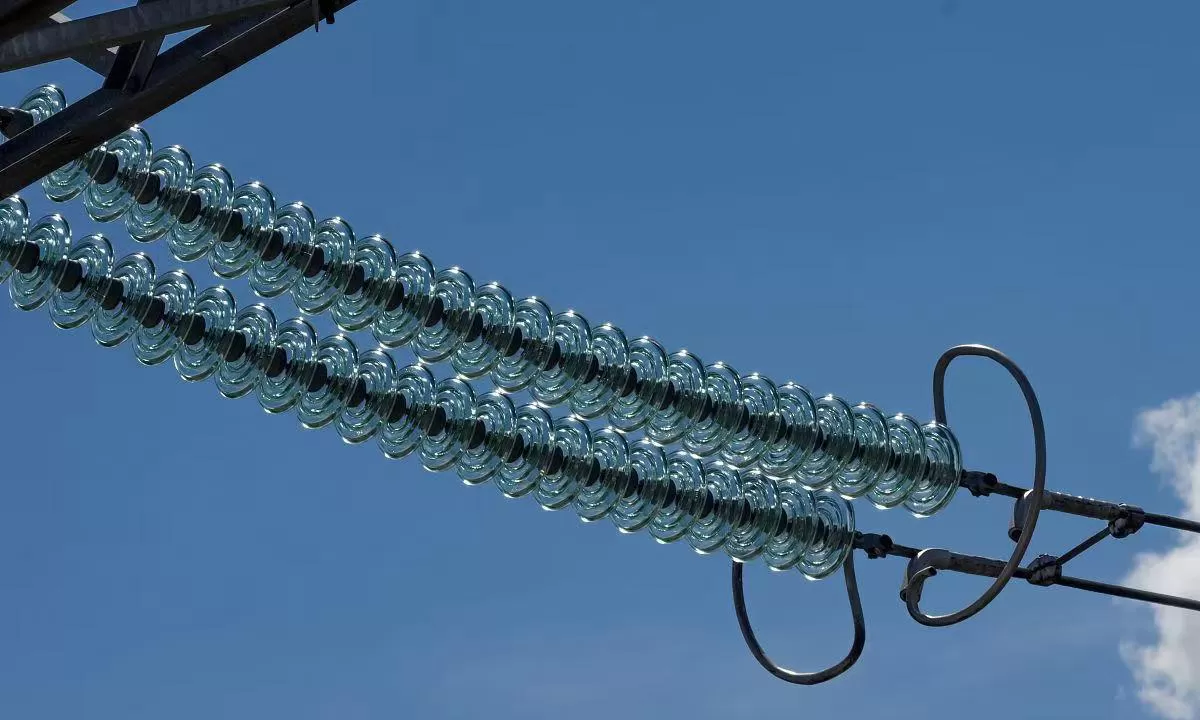
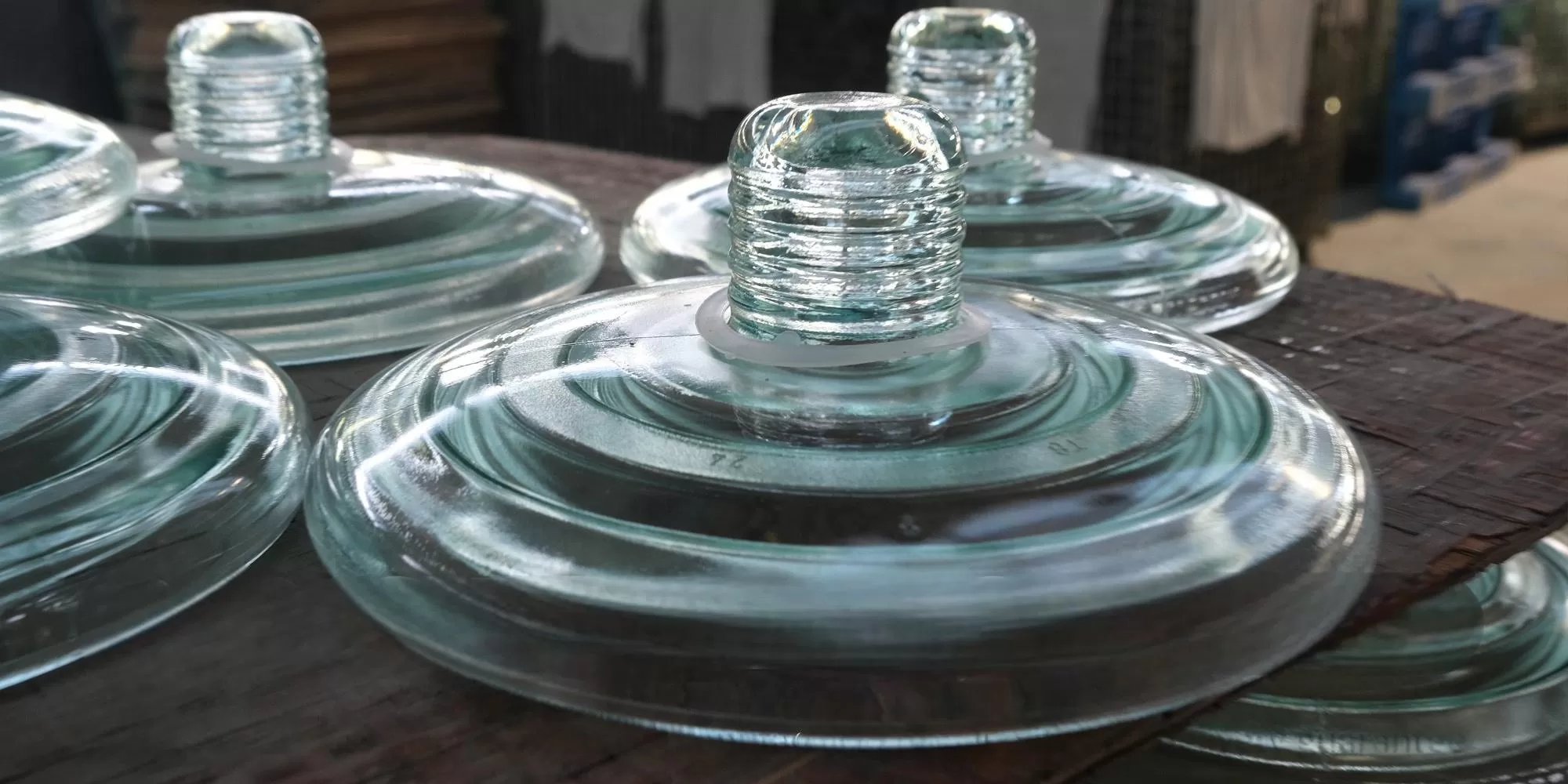
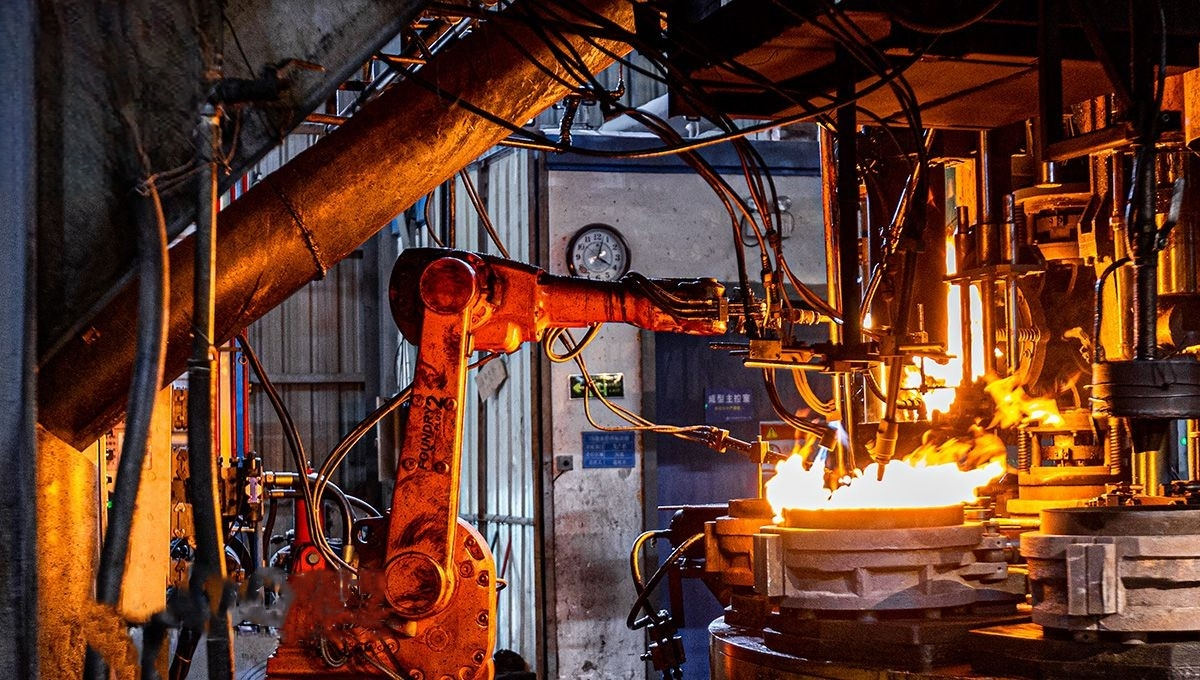
Industrial glass insulators are toughened by high-temperature quenching process, completely different from ordinary civilian glass and vintage collection glass insulators. The standardized production process forms a surface compression layer and internal tension structure, which endows the product with super mechanical strength and electrical stability. The mainstream products include pin type insulators and suspension glass insulators, which are widely used in overhead power line transmission and distribution systems.
The core advantages of glass electrical insulator are prominent in industrial scenarios: first, it has automatic zero-value damage identification function. When the insulator fails and loses insulation performance, it will self-shatter and fall off, which is convenient for power grid maintenance personnel to quickly detect and replace, avoiding hidden dangers of power grid operation; second, the glass surface is smooth and inert, with excellent self-cleaning performance, not easy to adhere to dust and corrosive substances, suitable for coastal salt fog areas and industrial pollution areas; third, the service life can reach 30-50 years, far exceeding polymer insulator products, and the long-term operation stability is strong.
3.2 Ceramic Insulators
Ceramic insulators are traditional power insulation products, made of high-temperature fired porcelain materials with glaze treatment on the surface. They have good thermal stability and compressive strength, and are low in cost, which are widely used in low and medium voltage distribution lines in the early stage of power grid construction. However, the defects of ceramic insulators are obvious in modern power grid operation: no self-detection function after zero-value failure, internal hidden cracks are not easy to find, and the product is heavy, increasing the mechanical load of overhead line and tower equipment, which is gradually replaced by glass insulators in high-standard power grid renovation projects.
3.3 Polymeric Insulators
Polymer insulator is a new type of composite insulation product, composed of glass fiber reinforced epoxy core rod and silicone rubber sheath. It has the advantages of light weight, good hydrophobicity and convenient installation, and is suitable for mountainous areas and special terrain power lines. But its inherent shortcomings restrict large-scale popularization: the silicone rubber sheath is easy to age and crack under long-term UV irradiation and high and low temperature alternation, with a service life of only 15-20 years, and it is easy to be damaged by external impact and vandalism, with poor long-term operational reliability.
4. Scenario-Based Application of Electrical Insulation Technology
Electrical insulation technology is not only limited to professional power grid overhead power line systems, but also widely used in agricultural facilities, civil buildings and industrial container transformation. Different scenarios have completely different requirements for insulator type, material and insulation standard, which requires targeted selection and construction.
4.1 Insulators for Electric Fence Professional Application
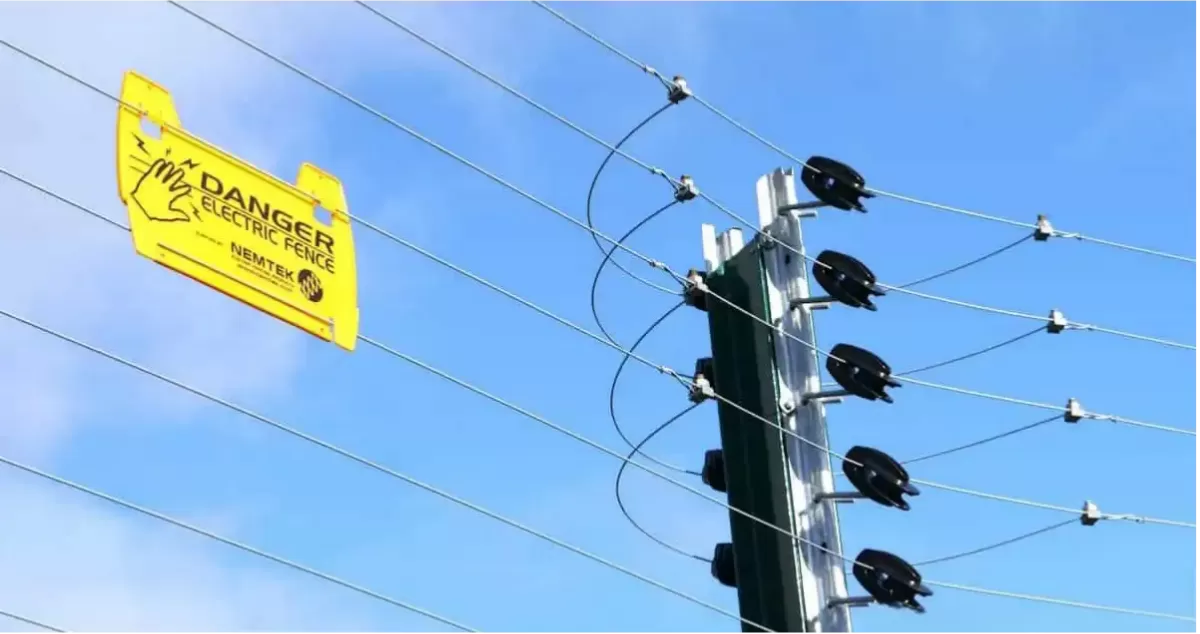
Insulators for electric fence are special low-voltage electrical insulation components, whose core function is to isolate the electrified fence wire from metal, wood or concrete support poles, prevent current leakage, and ensure the normal pulse voltage output of the electric fence. Professional insulator electric fence products are different from ordinary plastic accessories, which need to have UV resistance, tensile resistance and weather resistance to adapt to long-term outdoor open-air use.
In agricultural breeding, pasture protection and boundary isolation scenarios, the selection of electric fence insulators needs to match the fence voltage level (2000V-10000V pulse voltage). Tempered glass and high-strength polymer are the two most mainstream materials. Glass electric fence insulators have stable performance, no aging and deformation, and can maintain excellent insulation effect in rainy, snowy and high-temperature environments, which is the first choice for high-standard electric fence engineering. At the same time, corner insulators, tension insulators and line insulators need to be configured according to the fence structure to meet the insulation requirements of straight lines, corners and end tension sections.
4.2 Insulating the Garage: Electrical and Thermal Insulation Integration
Insulating the garage is a comprehensive renovation project integrating electrical safety insulation and thermal insulation energy saving. Most family and commercial garages are equipped with power distribution boxes, charging piles and power tools, so electrical insulation safety is the primary premise. All garage wiring needs to use qualified insulated wires and PVC insulating conduits, and the gaps of electrical penetrating parts need to be sealed with insulating materials to avoid electric leakage and short circuit accidents caused by moisture and dust.
In terms of thermal insulation, users need to pay attention to what does the insulation r value mean. The R-value is a professional index to measure the thermal resistance of insulation materials. The higher the R-value, the better the thermal insulation effect. For conventional garages, the wall insulation R-value is recommended to reach R13-R19, and the ceiling insulation R-value is R30-R38. Fiberglass batts and rigid foam boards are the most cost-effective insulation materials for garages, which can effectively reduce indoor and outdoor heat exchange, improve the comfort of the garage workspace, and avoid the aging of electrical equipment caused by extreme temperature changes.
4.3 Insulating a Shipping Container: Industrial Special Insulation Scheme
Insulating a shipping container is a key link in container modification and utilization. The whole body of the shipping container is made of corrugated steel, which has strong thermal conductivity and is easy to form condensation inside, leading to equipment moisture damage and electrical circuit short circuit. Different from ordinary building insulation, container insulation needs to take into account air tightness, moisture resistance and space saving.
Closed-cell spray foam insulation is the optimal solution for insulating a shipping container. It has a high R-value per inch, can fully fill the corrugated gap of the steel plate, form an integral airtight insulation layer, and integrate insulation and vapor barrier functions. For modified container offices, workshops and storage rooms, spray foam insulation can effectively avoid condensation, stabilize indoor temperature, and protect internal electrical circuits and equipment from damp damage. For budget-oriented transformation projects, rigid polyiso foam boards can be selected, with auxiliary vapor barrier laying to meet basic insulation and electrical safety requirements.
4.4 Insulating a Metal Shed and Pole Barn Auxiliary Insulation
Insulating a metal shed and insulating a pole barn are common industrial and agricultural insulation projects. Metal sheds and pole barns are mostly open or semi-open buildings, with large wind and temperature changes, and the metal shell is easy to conduct electricity accidentally. Therefore, in addition to thermal insulation, it is necessary to do a good job in local electrical insulation of power distribution parts. Insulating gaskets and insulating sleeves should be used for the connection between electrical lines and metal structures to prevent contact electric leakage.
In terms of thermal insulation, reflective insulation materials can be laid on the top of metal sheds to isolate solar radiation heat, and fiberglass insulation batts are used for wall cavities to balance cost and insulation effect. Reasonable insulation construction can not only improve the use environment of the building, but also effectively extend the service life of internal electrical equipment and lines, reducing the failure rate of electrical systems.
5. Overhead Line Equipment and Power Grid Insulation Engineering
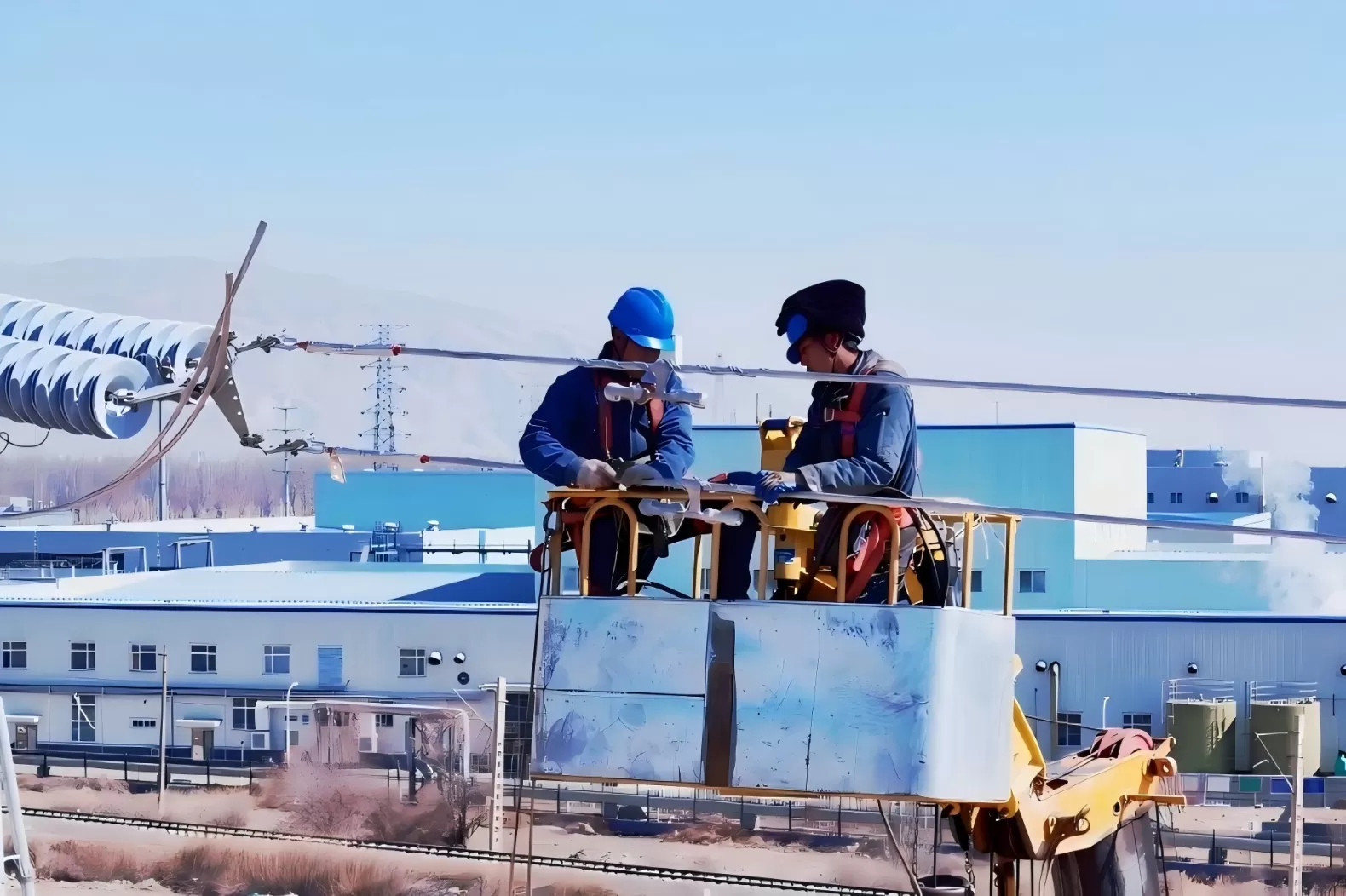
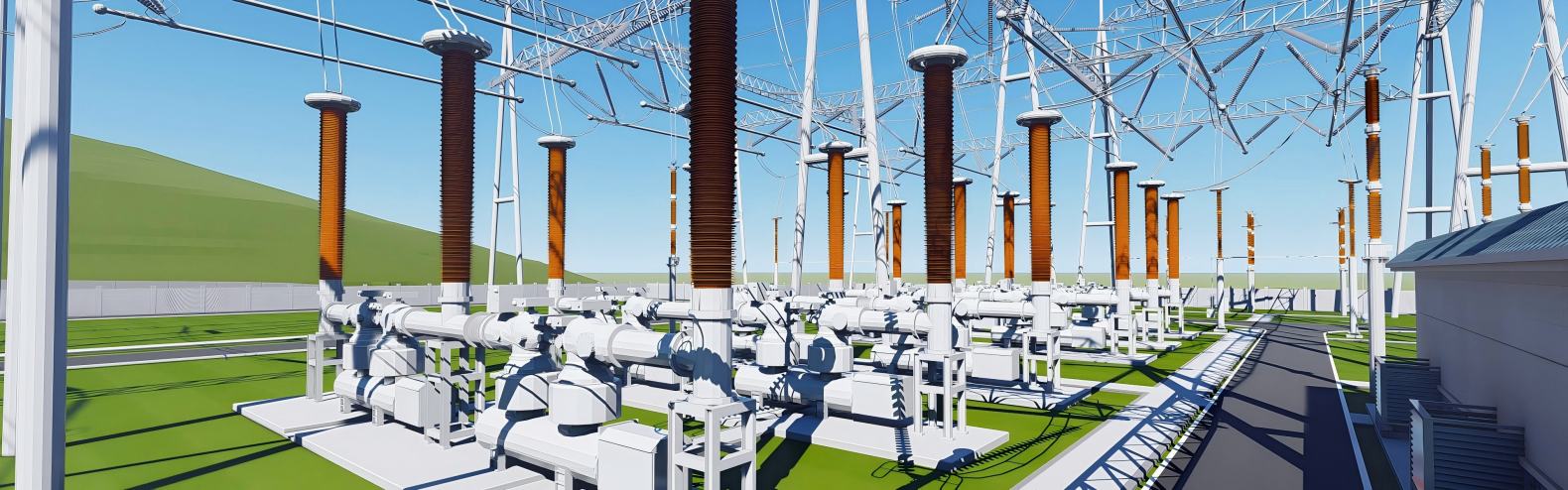
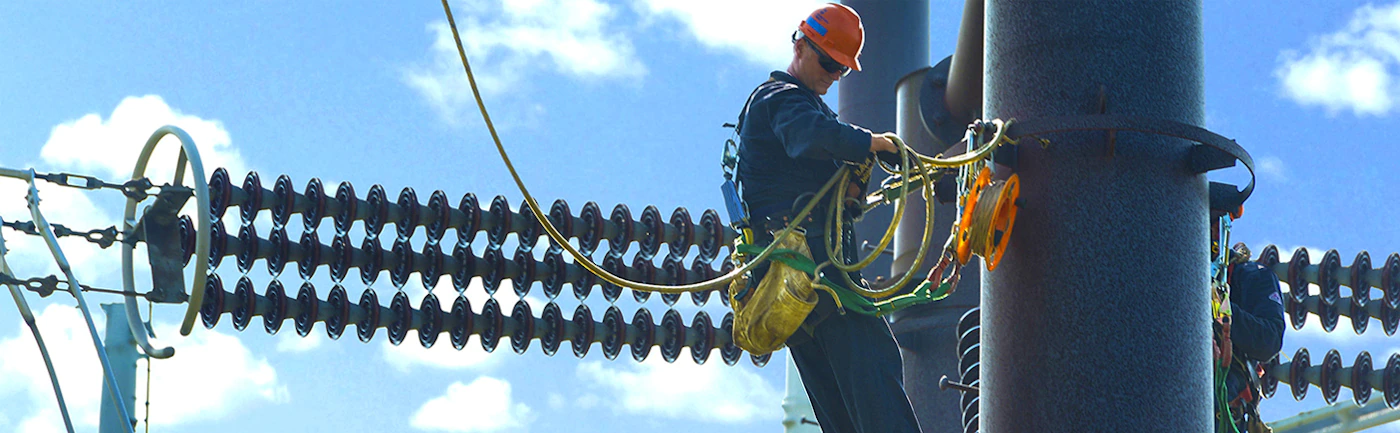
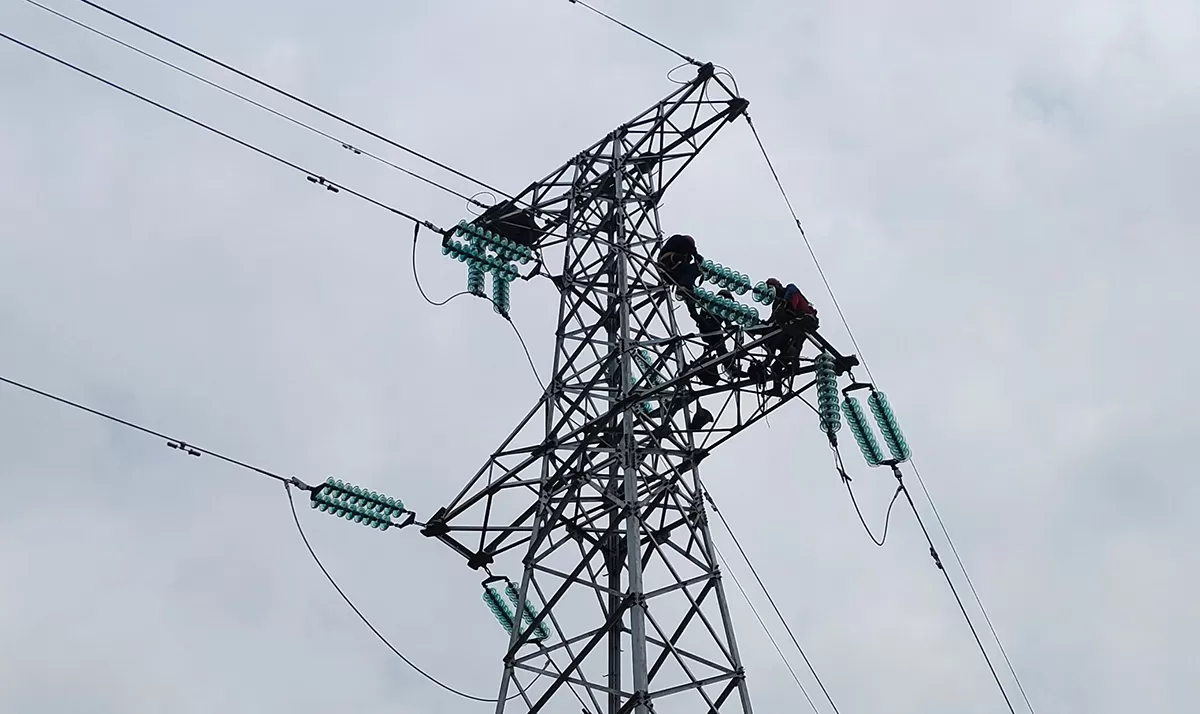
Overhead line equipment is the core component of power transmission and distribution, and the performance of supporting power line insulators directly determines the operational safety of the entire power grid. In the construction and renovation of powergrid usa and global regional power grids, glass insulators occupy a dominant position in high-voltage and ultra-high-voltage line projects due to their stable performance.
Pin type insulators are widely used in 10kV-33kV distribution overhead power line systems, installed on the cross arm of power poles, undertaking the dual functions of electrical insulation and wire support. Suspension glass insulator strings are assembled in series according to voltage levels, suitable for 66kV and above high-voltage transmission lines, with flexible assembly and strong mechanical load-bearing capacity. Cooperating with strain clamp and other overhead line accessories, it can realize safe fixing and insulation isolation of wires in tension sections, corner sections and terminal sections.
In polluted areas, coastal areas and industrial intensive areas, conventional insulators are prone to surface flashover. At this time, fog-type glass insulators with increased leakage distance need to be selected to enhance pollution resistance. Compared with polymeric insulators, glass insulators have no aging failure risk in long-term outdoor operation, and the later operation and maintenance cost is lower, which is the optimal choice for large-scale power grid engineering.
6. Insulator Cost Factors and Professional Procurement Guidelines
Insulator cost is an important factor for power engineering enterprises and engineering contractors in material selection. The price of electrical insulators is affected by material type, mechanical grade, voltage level, pollution resistance grade and production standards. In the long-term engineering operation, the total cost of ownership is far more important than the initial purchase cost.
The initial purchase price of glass insulators is slightly higher than that of ordinary ceramic insulators and low-end polymer insulators, but its service life is 2-3 times that of polymer products, and the self-detection function greatly reduces the manpower and material resources of line inspection and maintenance. There is no need for frequent replacement and cleaning, and the comprehensive cost is the lowest in the whole life cycle. In contrast, low-cost polymeric insulators require regular inspection and replacement due to aging problems, with high later maintenance costs and potential safety hazards.
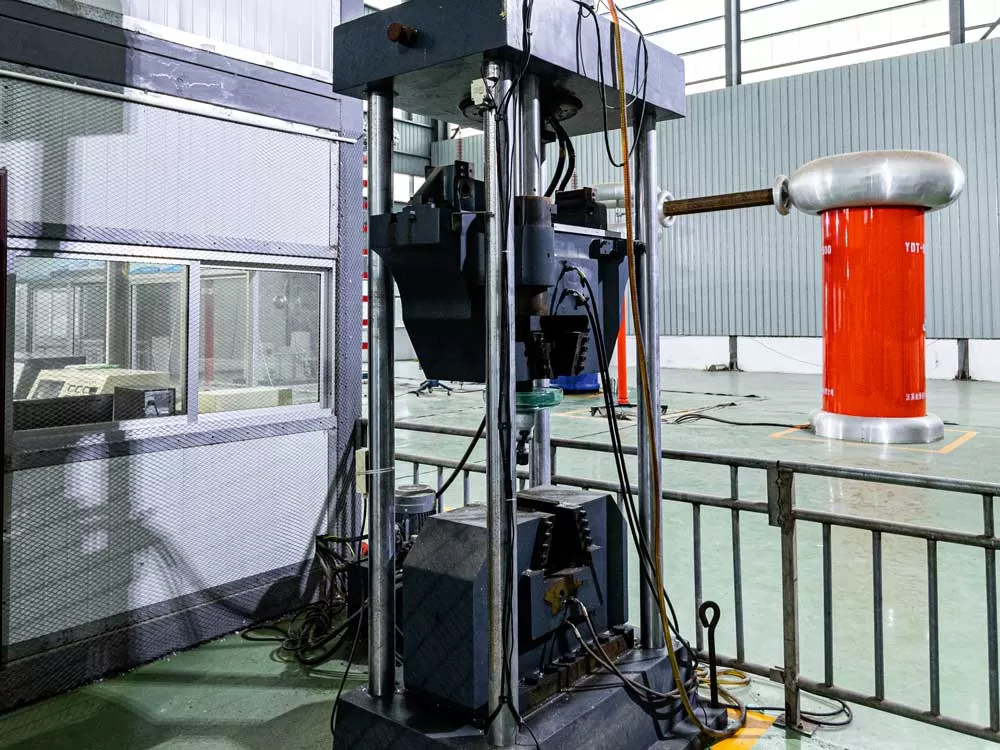
When purchasing insulator for sale products, users must prioritize industrial standard products that meet IEC international standards, avoid non-standard low-quality products, and check product mechanical failure load, leakage distance, dielectric strength and other core parameters to ensure that the products match the actual engineering voltage and environmental conditions.
7. Professional FAQ of Electrical Insulation Industry
Q1: What is the exact insulator definition in electricity?
In electricity, an electrical insulator is a dielectric material with extremely high electrical resistivity (greater than 10¹² Ω·m) and non-free conductive electrons. It can effectively block the conduction of electric current, isolate live parts and grounded structures, and bear mechanical support load in power equipment and lines, which is the basic guarantee for safe operation of electrical systems.
Q2: Is glass a better insulator than ceramic and polymer materials?
In industrial power grid application scenarios, toughened glass insulators have comprehensive advantages. It has self-detection failure function, stable electrical performance, strong environmental adaptability and long service life. Ceramic insulators lack failure self-detection ability, and polymer insulators are prone to aging. Therefore, glass insulators are the preferred material for high-standard overhead power line engineering.
Q3: What are the key points of electric fence insulator selection?
First, match the voltage level of the electric fence energizer; second, select UV-resistant and weather-resistant high-strength materials; third, select corresponding types (line, corner, tension insulators) according to the fence structure; fourth, ensure strong mechanical tensile resistance to avoid wire falling off and current leakage.
Q4: Why is insulation R-value crucial for shipping container insulation?
The insulation R-value represents the thermal resistance capacity of the material. Shipping containers have strong thermal conductivity, and high R-value insulation materials can effectively block heat transfer, avoid internal condensation, protect electrical equipment from damp damage, and maintain a stable indoor environment, which is the core index to measure the insulation construction effect.
Q5: What are the common failure forms of overhead line insulators?
Common failures include surface pollution flashover, electrical breakdown, mechanical fracture, aging deformation and zero-value insulation failure. Glass insulators will self-shatter after zero-value failure, which is convenient for maintenance; while ceramic and polymer insulators have hidden failure risks, which are difficult to detect in time.
8. Brand Advantage & Contact Information
As a professional supplier of industrial-grade glass insulators, SOLARIS ELECTRICAL has been focusing on the R&D, production and sales of high-performance electrical insulators products for many years.
All our products comply with IEC international electrical standards, covering pin type, suspension type, strain type glass insulators and supporting overhead line equipment accessories, which are widely used in global power grid transmission, distribution and electric fence engineering projects.
We abandon low-grade vintage glass products and only provide industrial toughened glass electrical insulators with stable performance, high mechanical strength and strong pollution resistance, helping customers reduce engineering operation and maintenance costs and improve power system safety.
We support customized products of different voltage levels and mechanical specifications to meet the diverse needs of power engineering construction.
For bulk procurement, customized design and technical consultation of glass insulators, please contact us via email: solaris-electrical@hvglass.com. Visit our official website to view complete product parameters and engineering cases: https://hvglass.com.