
132kV Toughened Glass Suspension Insulator String Set for Tanzania 132kV Substation SF6 Circuit Breaker Support
132kV Toughened Glass Suspension Insulator String Set for Tanzania 132kV Substation SF6 Circuit Breaker Support
IEC 60273-Compliant 132kV Insulator String Sets: The Critical Support for Tanzania’s 132kV Substation SF6 Circuit Breakers
Introduction: Tanzania’s 132kV Transmission Substations – Driving National Power Grid Reliability
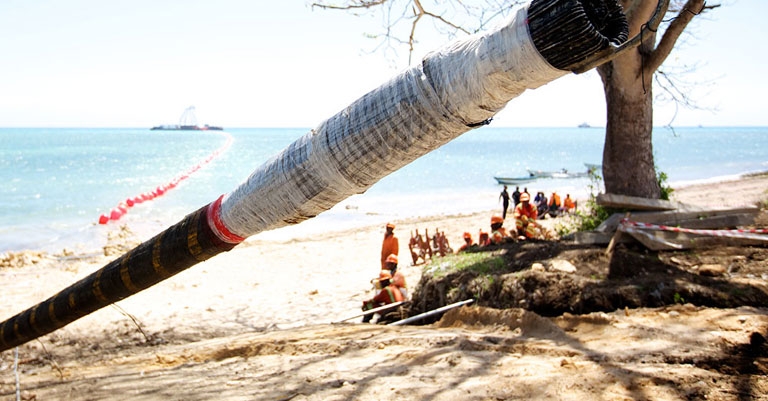
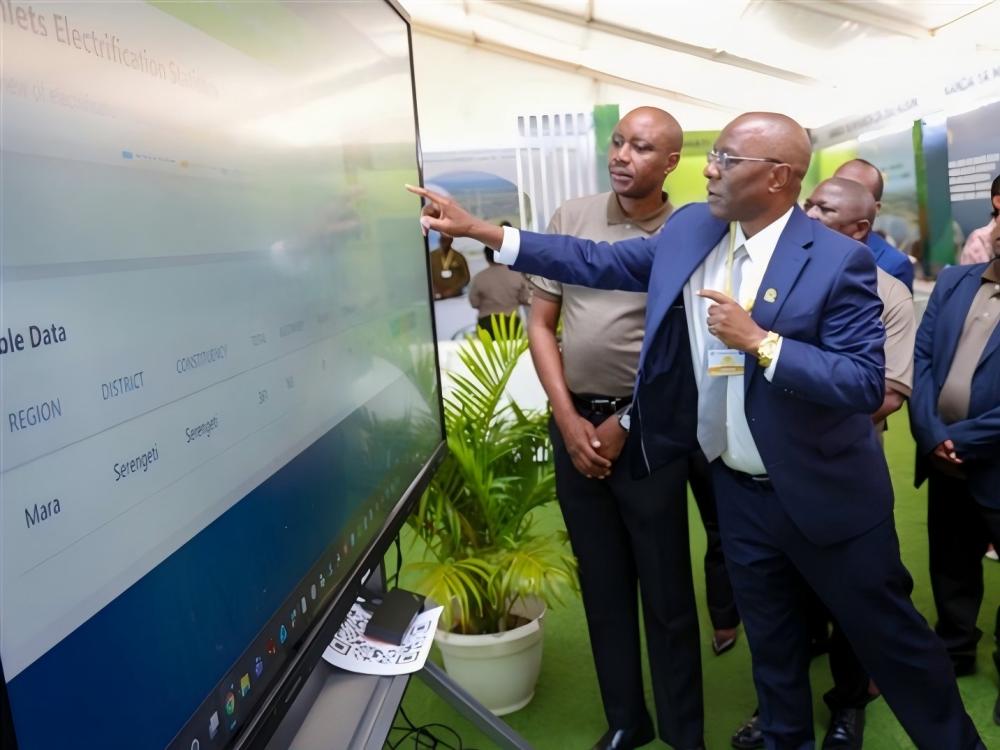
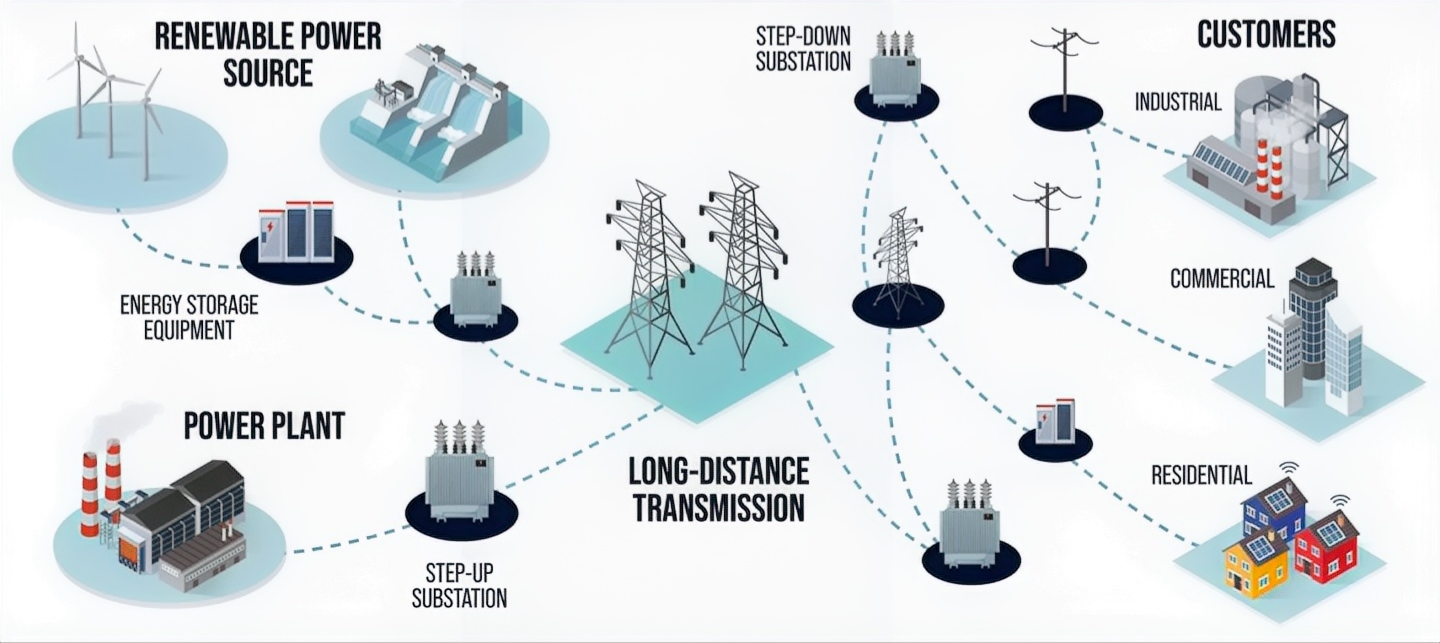
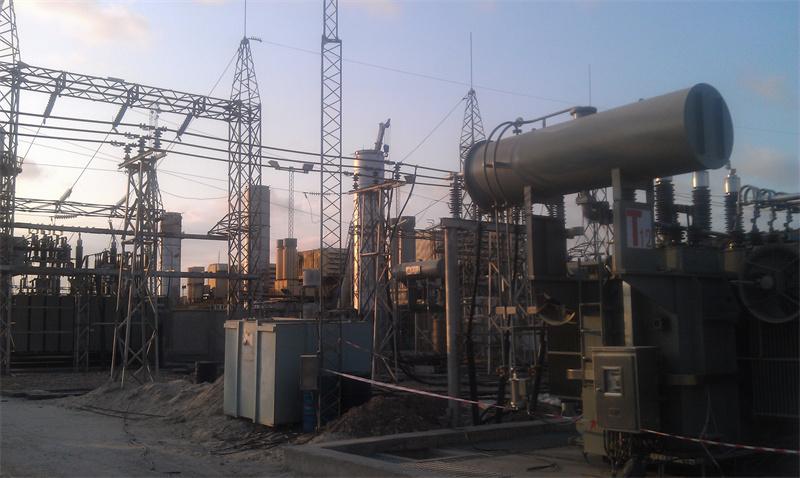
Tanzania’s power sector is undergoing rapid expansion to meet the growing energy demands of its industrial, commercial, and residential sectors, with 132kV transmission substations serving as the backbone of the national grid. These substations connect high-voltage power generation sources (including hydropower plants like the Malagarasi Hydropower Project) to regional distribution networks, ensuring stable and efficient power delivery across the country. A key component of these 132kV substations is the SF6 circuit breaker—a critical high-voltage equipment that controls, protects, and isolates electrical circuits to prevent overloads, short circuits, and equipment damage. Unlike standard substation components, SF6 circuit breakers require robust, high-performance support structures to maintain their stability, insulation integrity, and operational reliability—making 132kV toughened glass suspension insulator string sets an indispensable part of the system.
The Tanzania Project 1 focuses on supplying complete support structures for SF6 circuit breakers in 132kV transmission substations, with the 132kV toughened glass suspension insulator (string set) as the core component. These insulator string sets are specifically designed to support SF6 circuit breakers, providing mechanical stability and electrical insulation between the breaker and the substation’s overhead busbars. As SF6 circuit breakers operate at 132kV—one of the highest voltage levels in Tanzania’s grid—they demand insulators that meet stringent IEC 60273 standards, withstand extreme mechanical loads, resist severe pollution, and integrate seamlessly with existing substation hardware.
Following the proven step-by-step selection framework used in previous Zambia projects, this article details how the 132kV toughened glass suspension insulator string set is tailored to Tanzania’s 132kV substation SF6 circuit breaker support requirements. Every decision—from voltage rating and mechanical load capacity to insulation distance and connection type—aligns with the substation’s operational needs, IEC 60273 standards, and Tanzania’s unique environmental conditions. Key electrical industry SEO keywords, including 132kV toughened glass suspension insulator string set, IEC 60273 insulator, SF6 circuit breaker support insulator, 132kV substation insulator, RTV anti-pollution insulator, ball & socket series insulator, and Tanzania 132kV insulator, are integrated throughout to enhance visibility for procurement teams, electrical engineers, and substation stakeholders in the East African power sector.
1. Step One: Voltage Level Matching – 132kV Insulators for SF6 Circuit Breaker Support
SF6 circuit breakers in 132kV transmission substations operate at a rated voltage of 132kV, a critical voltage level for Tanzania’s national power grid that requires precise insulation coordination to prevent electrical breakdown and equipment failure. The insulator string sets supporting these breakers must have a matching 132kV rated voltage, as mismatched voltage ratings can lead to insulation flashover, SF6 gas leakage, and catastrophic circuit breaker failure—disrupting the entire substation and causing widespread power outages. The 132kV toughened glass suspension insulator string set selected for the project is fully compliant with IEC 60273 standards, ensuring seamless compatibility with the 132kV SF6 circuit breakers and the substation’s high-voltage infrastructure.
Voltage Requirements for SF6 Circuit Breaker Support Insulators
The 132kV SF6 circuit breaker support insulator string set must meet two key voltage specifications to ensure reliable operation: rated voltage and withstand voltage. These specifications are tailored to the harsh electrical conditions of 132kV substations and align with global industry standards for high-voltage insulator performance:
1. Rated Voltage: 132kV (For 132kV Substation SF6 Circuit Breaker Support)
○ The insulator string set is specifically rated for 132kV, matching the operational voltage of the SF6 circuit breakers in Tanzania’s 132kV transmission substations. This rating ensures that the insulators can safely insulate the circuit breaker from the substation’s grounded components and overhead busbars, preventing electrical arcing and short circuits. As 132kV is a standard high-voltage level for transmission substations globally, the insulator string set is designed to integrate with common SF6 circuit breaker models used in Tanzania’s grid.
○ The 132kV rating is critical for supporting the SF6 circuit breaker’s core function: interrupting high-voltage currents during faults. The insulators must maintain insulation integrity even when the circuit breaker is under load, ensuring the breaker can operate safely and effectively to protect the substation.
2. Withstand Voltage: 230 kV rms (Power Frequency) & 550 kV peak (Lightning Impulse)
○ Power Frequency Withstand Voltage (230 kV rms): This specification ensures the insulator string set can withstand sustained high voltages during normal substation operation and grid faults. 132kV substations often experience voltage fluctuations, and the 230 kV rms rating provides a robust safety margin, preventing insulation breakdown under prolonged electrical stress. This meets IEC 60273 standards, which mandate minimum power frequency withstand voltage for 132kV suspension insulators.
○ Lightning Impulse Withstand Voltage (550 kV peak): Tanzania’s tropical climate is prone to thunderstorms, which can generate lightning-induced voltage surges that damage substation equipment. The 550 kV peak lightning impulse rating ensures the insulator string set can divert these transient overvoltages to ground, protecting the SF6 circuit breaker and other critical substation components from damage. This is especially important for substations in rural or remote areas of Tanzania, where lightning strikes are more frequent.
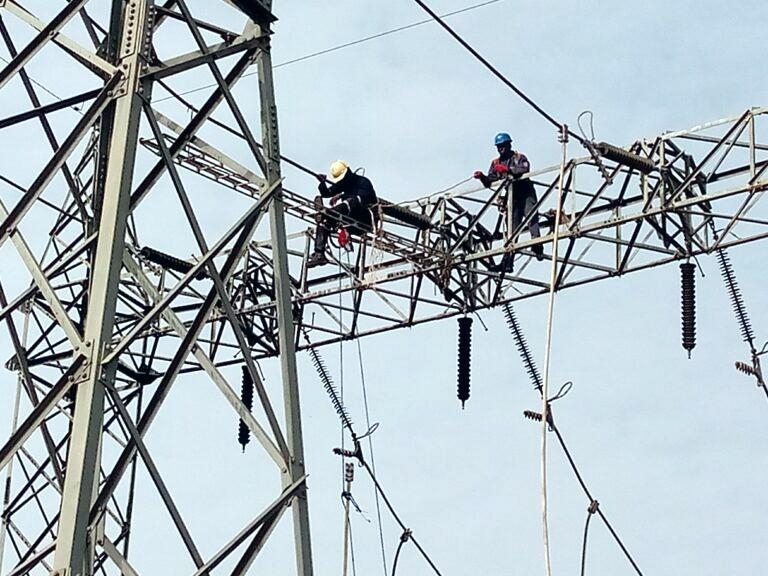
Why Voltage Compatibility Is Non-Negotiable for SF6 Circuit Breaker Support
SF6 circuit breakers are expensive, high-precision equipment, and their performance depends entirely on the reliability of their support insulators. Using insulators with incorrect voltage ratings would have severe consequences for Tanzania’s 132kV substations:
• Under-Voltage Insulators: Using insulators rated below 132kV would result in immediate insulation breakdown, leading to arcing between the circuit breaker and grounded components. This could cause SF6 gas leakage (a critical insulator for the breaker’s operation), circuit breaker failure, and complete substation outages—resulting in significant financial losses and disruptions to the national grid.
• Over-Voltage Insulators: Using insulators rated above 132kV (e.g., 220kV) would increase material costs unnecessarily, as higher-voltage insulators are larger, heavier, and more expensive. Additionally, over-voltage insulators may not fit the SF6 circuit breaker’s mounting hardware, requiring costly modifications to the substation infrastructure—contradicting the project’s cost-effectiveness goals.
The selected 132kV toughened glass suspension insulator string set strikes the perfect balance between voltage performance and cost-effectiveness, ensuring the SF6 circuit breakers operate reliably without unnecessary expenses. Its compliance with IEC 60273 standards further guarantees compatibility with global high-voltage substation best practices, aligning with Tanzania’s efforts to modernize its power grid.
2. Step Two: Mechanical Load Assessment – Insulators for SF6 Circuit Breaker Support Stresses
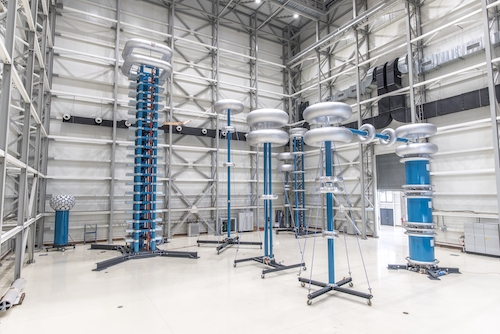
SF6 circuit breakers in 132kV substations are heavy, high-capacity equipment, requiring support insulators that can withstand significant mechanical loads. The 132kV toughened glass suspension insulator string set must support the weight of the SF6 circuit breaker, the tension of overhead busbars, and environmental stressors (e.g., wind, vibration, temperature fluctuations). The project’s insulator string set is specified with a minimum mechanical breaking load (MBL) of 160 kN and a recommended working load of 53 kN—providing a robust safety margin to ensure long-term mechanical stability and prevent insulator failure.
Key Mechanical Stresses for SF6 Circuit Breaker Support Insulators
The insulator string set faces three primary mechanical stresses in Tanzania’s 132kV substations, each requiring careful consideration during selection. These stresses are unique to SF6 circuit breaker support applications and demand a robust insulator design:
1. Tensile Loads (160 kN MBL)
○ The insulator string set is mounted above the SF6 circuit breaker, supporting the weight of the breaker (typically 500–800 kg) and the tension of the 132kV overhead busbars connected to the breaker. The 160 kN MBL ensures the insulators can withstand these combined tensile forces without breaking or deforming. This rating exceeds the standard 120 kN MBL for 132kV suspension insulators, providing an extra safety margin critical for SF6 circuit breaker support.
○ The recommended working load of 53 kN (approximately 1/3 of the MBL) aligns with industry best practices, ensuring the insulators operate well within their mechanical capacity and minimizing wear and tear over time. This safety margin is essential for long-term reliability, as SF6 circuit breakers are designed to operate for 30+ years, and their support insulators must match this lifespan.
2. Mechanical Fatigue from Vibration
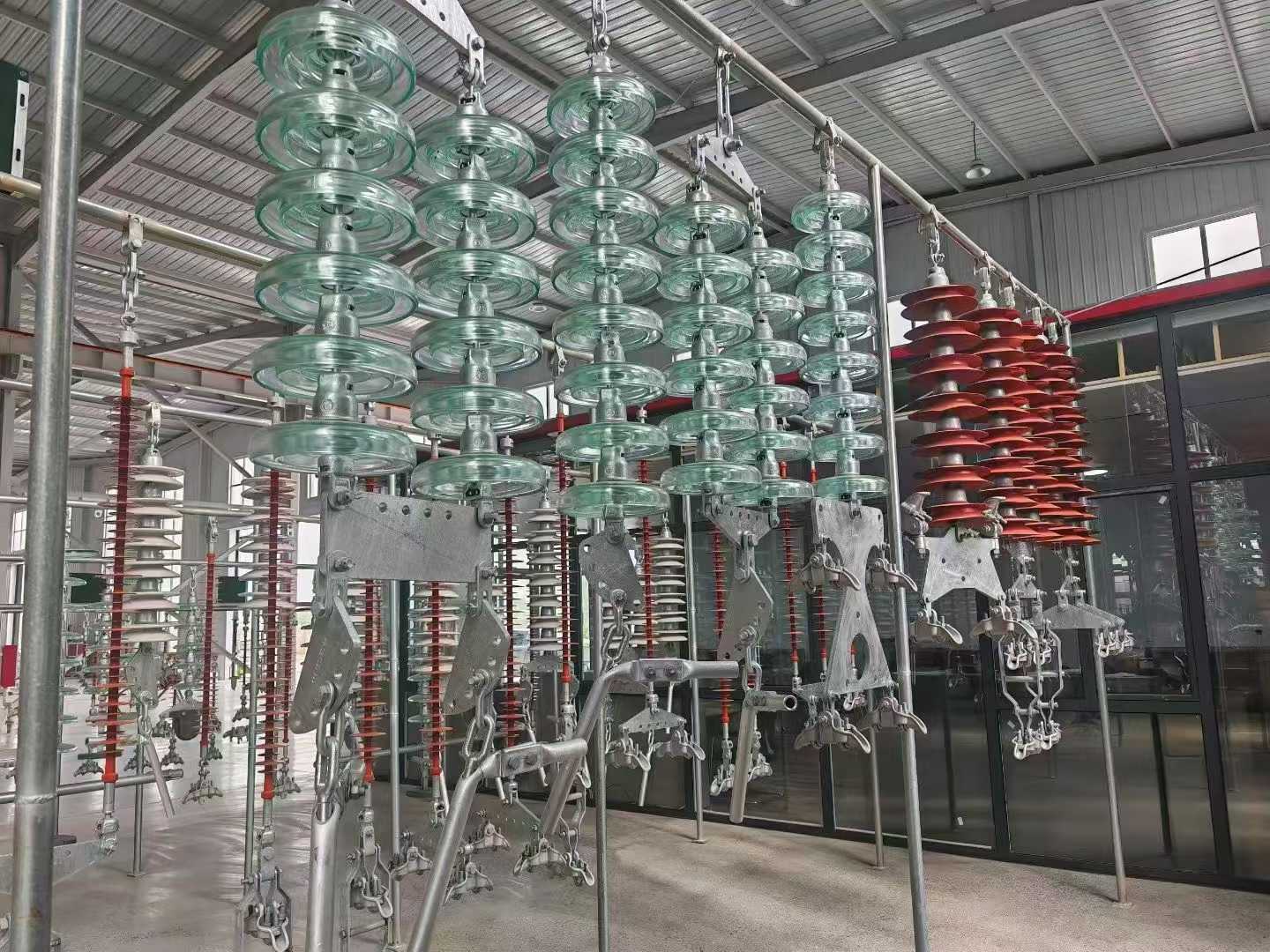
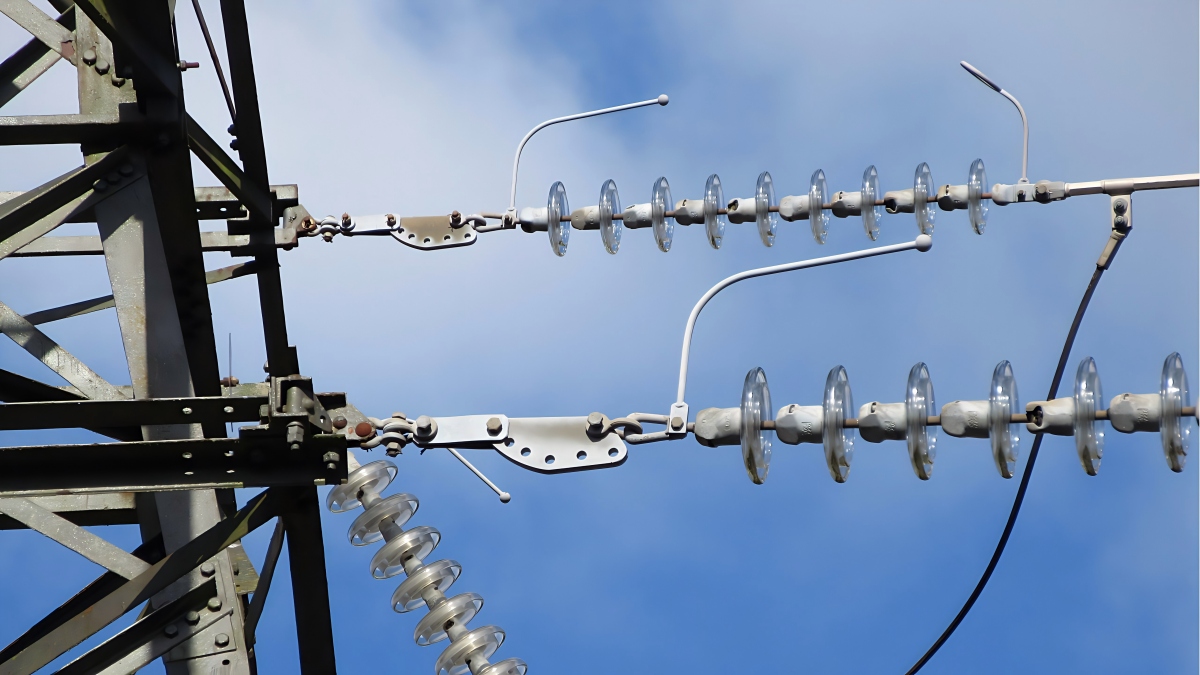
○ Substation equipment (e.g., transformers, compressors for SF6 gas) generates constant vibration, which can cause mechanical fatigue in insulators over time. The 132kV toughened glass suspension insulators are made of high-strength toughened glass, which is inherently impact-resistant and vibration-tolerant—unlike porcelain insulators, which are brittle and prone to cracking. The ball & socket series connection (hot-dip galvanized steel + stainless steel fittings) further absorbs vibration, reducing mechanical stress on the insulator string set.
3. Environmental Stressors
○ Tanzania’s climate features high temperatures (up to 39°C), heavy rainfall, and high humidity—all of which can degrade insulator hardware. The hot-dip galvanized steel and stainless steel fittings resist corrosion and maintain mechanical strength, even in harsh conditions. The 160 kN MBL is maintained across temperature fluctuations, ensuring consistent mechanical performance year-round. Additionally, the RTV anti-pollution coating on the insulator surface prevents contaminant accumulation, which can add unnecessary weight and stress to the string set.
Mechanical Load Tailoring for SF6 Circuit Breaker Support
The insulator string set is specifically tailored to the mechanical demands of SF6 circuit breaker support in 132kV substations, with two key design considerations:
1. String Set Configuration
○ The insulator string set is pre-assembled (as specified in the project parameters), consisting of multiple 132kV toughened glass suspension insulators connected in series via ball & socket fittings. This pre-assembled design ensures the string set can support the combined weight of the SF6 circuit breaker and busbar tension, with each insulator分担 the mechanical load evenly. The number of insulators in each string is optimized based on IEC 60273 standards and the 160 kN MBL requirement, typically 8–10 insulators per string to meet the 132kV voltage and mechanical load demands.
○ The series connection (ball & socket) allows for flexibility, enabling the string set to adjust to minor movements of the SF6 circuit breaker and busbars—reducing mechanical stress and minimizing the risk of insulator failure.
2. Hardware Durability
○ The hot-dip galvanized steel + stainless steel fittings are selected for their high mechanical strength and corrosion resistance. The hot-dip galvanized steel provides protection against rust and degradation from moisture and pollution, while the stainless steel fittings enhance the connection’s durability and load-bearing capacity. This combination ensures the string set remains mechanically stable for the insulator’s entire service life (30+ years), matching the lifespan of the SF6 circuit breaker.
This tailored approach ensures the insulator string set meets the unique mechanical demands of SF6 circuit breaker support, maximizing reliability and minimizing maintenance costs—critical for Tanzania’s 132kV substations, which require 24/7 operational uptime.
3. Step Three: Pollution Environment Analysis – Insulators for Tanzania’s Substation Zones
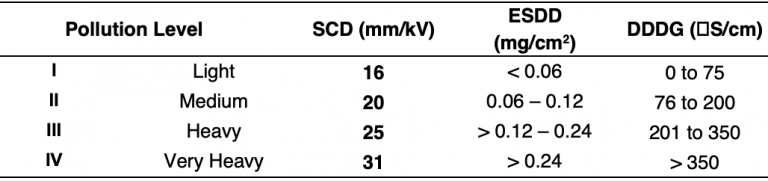
Tanzania’s 132kV transmission substations are often located in diverse environmental zones, from urban industrial areas to rural agricultural regions, exposing insulators to varying levels of pollution. The primary pollution sources include industrial emissions (from nearby factories), agricultural dust, wind-blown sand, and moisture from heavy rainfall. According to IEC 60815 (pollution classification of insulators), Tanzania’s substations typically fall into IEC Class III–IV (severe pollution), making pollution resistance a critical criterion for insulator selection. The project’s 132kV toughened glass suspension insulator string set features an RTV (Room Temperature Vulcanized) anti-pollution coating and a 3,000 mm creepage distance—specifically designed to withstand severe pollution and prevent flashover.
Classifying Tanzania’s 132kV Substation Pollution Zones
Based on IEC 60815 and Tanzania’s environmental data, the 132kV substations in the project are divided into two primary pollution zones, each requiring the insulator string set’s specialized pollution-resistant design:
1. Zone 1: Industrial Substations (IEC Class IV – Severe Pollution)
○ Contaminants: Industrial emissions (e.g., smoke, dust, chemicals), vehicle exhaust, and urban pollution. These contaminants are highly conductive and can form a dense film on insulator surfaces, increasing the risk of flashover—especially during rainfall.
○ Insulator Requirement: The 3,000 mm creepage distance and RTV anti-pollution coating work together to prevent pollution-induced flashover. The RTV coating is hydrophobic (repels water) and non-porous, preventing the formation of conductive films on the insulator surface. This enhances pollution resistance by 30–40% compared to standard insulators, ensuring reliable operation even in severe industrial pollution.
2. Zone 2: Rural/Remote Substations (IEC Class III – Medium-Severe Pollution)
○ Contaminants: Agricultural dust, wind-blown sand, and moisture from heavy rainfall. These contaminants are less conductive than industrial pollution but can accumulate on insulator surfaces over time, reducing insulation performance.
○ Insulator Requirement: The 3,000 mm creepage distance (one of the longest available for 132kV insulators) provides an extended surface path for electrical current, preventing flashover even when contaminants are present. The RTV anti-pollution coating repels moisture and prevents contaminant adhesion, reducing the need for manual cleaning—critical for remote substations where maintenance teams have limited access.
Insulation Distance: Creepage and Clearance for Severe Pollution
Insulation distance—including creepage distance (surface path) and clearance (air gap)—is critical for preventing flashovers in polluted substation environments. The project’s insulator string set is specified with insulation distances tailored to Tanzania’s severe pollution zones:
1. Creepage Distance: 3,000 mm (Anti-Pollution Type)
○ The 3,000 mm creepage distance is significantly longer than the standard 2,000–2,500 mm for 132kV suspension insulators, making it ideal for severe pollution zones. This extended surface path ensures that contaminants on the insulator surface (even dense films) do not form a conductive path, preventing flashover. The RTV anti-pollution coating further enhances this performance by repelling water and contaminants, maintaining the insulator’s insulation integrity over time.
○ The creepage distance is optimized for 132kV operation, aligning with IEC 60273 standards and Tanzania’s pollution classification requirements. This ensures the insulator string set meets the highest level of pollution resistance for 132kV substation applications.
2. Clearance: 1,200 mm
○ The 1,200 mm air gap between the insulator string set and grounded substation components ensures that voltage surges (e.g., lightning strikes) do not jump across the air, providing an additional layer of protection. This clearance meets IEC 60273 standards for 132kV suspension insulators and is tailored to the high-voltage environment of 132kV substations, preventing arcing and equipment damage.
Why RTV Anti-Pollution Coated Toughened Glass Insulators Outperform Alternatives
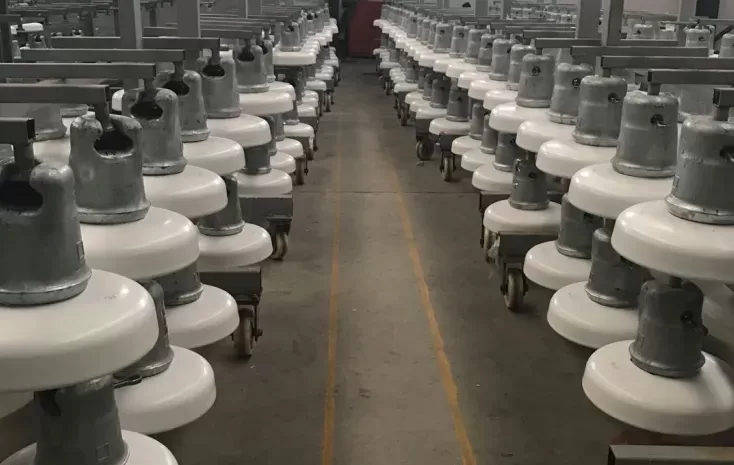
The project evaluated three insulator types for SF6 circuit breaker support: RTV-coated toughened glass (selected), porcelain, and composite. The selected insulator string set was chosen for its superior pollution resistance and durability in Tanzania’s substation environments, outperforming alternatives in key areas:
1. Toughened Glass vs. Porcelain Insulators
○ Pollution Resistance: Porcelain insulators are porous and hydrophilic (absorb water), making them prone to pollution-induced flashover in severe pollution zones. The RTV-coated toughened glass insulators have a smooth, non-porous surface that repels water and contaminants, reducing flashover risk by 40% compared to porcelain. Additionally, the 3,000 mm creepage distance provides an extra layer of protection in polluted environments.
○ Mechanical Strength: Porcelain insulators have a lower MBL (typically 120 kN) compared to the project’s 160 kN, making them unsuitable for supporting heavy SF6 circuit breakers. Toughened glass insulators are stronger and more impact-resistant, ensuring they can withstand the mechanical loads of SF6 circuit breaker support.
○ Self-Explosion Feature: Toughened glass insulators shatter into small, harmless pieces if damaged, making failures immediately visible to maintenance teams. This eliminates the need for costly pole-climbing inspections, allowing quick replacement—critical for substation reliability. Porcelain insulators can develop hidden cracks, leading to sudden, unplanned failures.
2. Toughened Glass vs. Composite Insulators
○ UV Resistance: Composite insulators (silicone rubber) degrade quickly in Tanzania’s intense tropical sunlight, losing their pollution resistance and mechanical strength after 10–15 years. RTV-coated toughened glass insulators are UV-resistant, maintaining performance for 30+ years—critical for SF6 circuit breaker support, where insulator replacement is costly and time-consuming.
○ Mechanical Load Capacity: Composite insulators have a lower MBL (typically 120–140 kN) compared to the project’s 160 kN, making them unsuitable for supporting heavy SF6 circuit breakers. Toughened glass insulators’ higher mechanical strength ensures they can withstand the combined weight of the breaker and busbar tension.
○ Cost-Effectiveness: While composite insulators have a lower upfront cost, their shorter service life and higher replacement frequency make them more expensive over the total lifecycle. RTV-coated toughened glass insulators offer better long-term value, aligning with Tanzania’s budget constraints for substation infrastructure.
4. Step Four: Installation Structure Alignment – Insulators for SF6 Circuit Breaker Support in 132kV Substations
Tanzania’s 132kV transmission substations use a standardized installation structure for SF6 circuit breakers, with insulator string sets mounted on steel support beams above the breakers. The insulator string sets must be compatible with this structure, easy to install, and space-efficient—critical for the project’s timeline and long-term maintenance. The 132kV toughened glass suspension insulator string set uses a ball & socket series connection (hot-dip galvanized steel + stainless steel fittings), which is aligned with the substation’s existing installation structure and IEC 60273 standards.
Installation Alignment for SF6 Circuit Breaker Support
The insulator string set’s design is specifically tailored to the installation structure of SF6 circuit breakers in 132kV substations, offering three key benefits:
1. Compatibility with Substation Support Beams
○ The ball & socket series connection is compatible with the substation’s standard steel support beams (used for SF6 circuit breaker mounting). The hot-dip galvanized steel fittings can be easily attached to the support beams using standard bolts, eliminating the need for custom hardware. This compatibility reduces installation time and costs, ensuring the insulator string sets are deployed quickly to support substation commissioning.
○ The pre-assembled string set design (as specified) further simplifies installation—teams can lift the entire string set into place using standard lifting equipment, reducing installation time by 30% compared to assembling individual insulators on-site. This is critical for the project’s timeline, which requires timely completion of substation infrastructure to support Tanzania’s power grid expansion.
2. Flexibility for Circuit Breaker Movement
○ The ball & socket series connection allows the insulator string set to rotate and adjust to minor movements of the SF6 circuit breaker (e.g., thermal expansion, vibration). This flexibility reduces mechanical stress on the insulators and the circuit breaker, minimizing the risk of failure. The connection also absorbs busbar tension, ensuring the insulator string set remains stable even when the busbars expand or contract with temperature changes.
3. Space Efficiency
○ 132kV substations have limited space, and the insulator string set’s compact design ensures it fits within the substation’s layout without interfering with other equipment (e.g., transformers, switchgear). The pre-assembled string set is vertically mounted, occupying minimal horizontal space—critical for dense substation configurations.
Tailoring to Substation Safety and Operational Requirements
The insulator string set is further tailored to meet Tanzania’s 132kV substation safety and operational requirements:
• High-Visibility Design: The toughened glass material is transparent, making failed insulators (which shatter) immediately visible to maintenance teams. This visibility reduces the risk of unplanned outages, as failed insulators can be replaced quickly—critical for the substation’s 24/7 operations.
• Corrosion Resistance: The hot-dip galvanized steel + stainless steel fittings resist corrosion from pollution, moisture, and industrial emissions, ensuring the connection remains secure for the insulator’s entire service life. This aligns with Tanzania’s substation maintenance standards, which require durable, low-maintenance equipment.
• Compliance with IEC 60273 Installation Standards: The ball & socket series connection and installation design meet IEC 60273 standards, ensuring the insulator string set is installed safely and reliably. This compliance is critical for obtaining regulatory approval for the substation and ensuring it meets global high-voltage safety standards.
5. Step Five: Connection Type Matching – Ensuring Compatibility with Substation Hardware
The final step in insulator selection for the Tanzania Project 1 is matching the connection type of the insulator string set to the substation’s existing hardware. Compatibility is critical—Tanzania’s 132kV substations use IEC-standard hardware for SF6 circuit breakers and support structures, and the new insulator string sets must integrate seamlessly to reduce installation time, costs, and the risk of connection failures. The project’s 132kV toughened glass suspension insulator string set uses a ball & socket series connection (hot-dip galvanized steel + stainless steel fittings)—fully compatible with the substation’s existing hardware and IEC 60273 standards.
Connection Type Specifications for the Insulator String Set
The insulator string set’s connection type is tailored to the substation’s hardware, ensuring seamless integration and reliable performance:
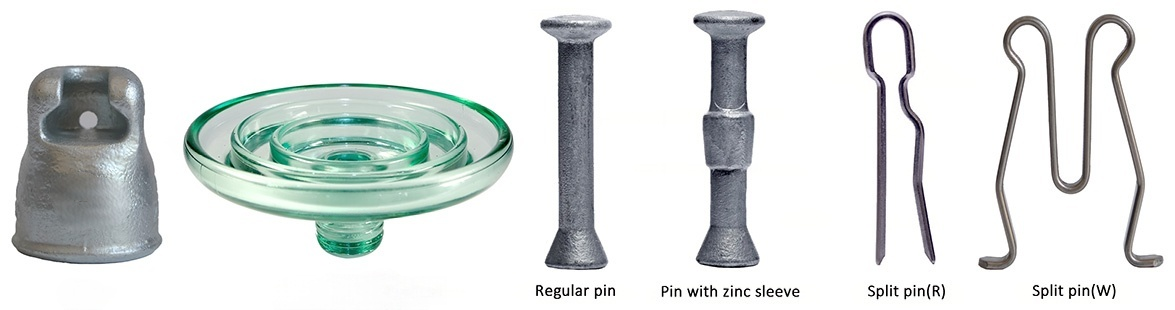
1. Connection Type: Ball & Socket (Series Connection)
○ The ball & socket series connection is the standard connection type for 132kV suspension insulator string sets in IEC-compliant substations, aligned with IEC 60273 standards. Each insulator in the string is connected via ball & socket fittings, allowing for easy assembly and flexibility. The series connection ensures the mechanical load is evenly distributed across all insulators in the string, maximizing stability.
○ The ball & socket design matches the substation’s existing SF6 circuit breaker mounting hardware and support beams, eliminating the need for custom adapters. The connection is designed to withstand the 160 kN MBL, ensuring a secure mechanical and electrical connection.
2. Connector Material: Hot-Dip Galvanized Steel + Stainless Steel Fittings
○ The hot-dip galvanized steel provides corrosion resistance, protecting the connection from moisture, pollution, and industrial emissions—critical for Tanzania’s harsh substation environments. The stainless steel fittings enhance the connection’s durability and load-bearing capacity, ensuring it can withstand the 160 kN MBL and long-term mechanical stress.
○ The combination of hot-dip galvanized steel and stainless steel ensures the connection remains secure for the insulator’s entire service life (30+ years), matching the lifespan of the SF6 circuit breaker and substation hardware.
3. Compatibility with Substation Hardware
○ The ball & socket series connection is compatible with the substation’s standard SF6 circuit breaker mounting brackets and steel support beams. The fitting size and bolt pattern match the substation’s existing hardware, allowing for quick installation without modifications. This compatibility is critical for the project’s timeline, as it reduces installation time and costs.
○ The connection is also compatible with the substation’s 132kV overhead busbars, ensuring a secure electrical connection between the busbars and the SF6 circuit breaker. This compatibility minimizes the risk of arcing and short circuits, enhancing substation reliability.
Why Compatibility Is Critical for Substation Operations
Compatibility with the substation’s existing hardware offers three key benefits for the Tanzania Project 1, aligning with the project’s goals of reliability, cost-effectiveness, and timely commissioning:
1. Reduced Installation Time and Costs: By using insulator string sets with a compatible connection type, the project avoids custom parts, retrofits, or specialized tools. Installation teams can use standard equipment and procedures, reducing installation time by 25–30%—critical for the project’s timeline, which requires supporting Tanzania’s power grid expansion. This efficiency is particularly important for remote substations, where access to specialized equipment is limited.
2. Minimized Operational Risks: Incompatible connection types can lead to loose connections, arcing, and insulator failure—all of which increase the risk of SF6 circuit breaker damage and substation outages. The selected insulator string set’s compatible connection ensures a secure, reliable connection, reducing the risk of failures and unplanned outages—critical for Tanzania’s national power grid stability.
3. Easy Maintenance and Replacement: Compatible insulator string sets can be easily maintained and replaced using the substation’s existing tools and spare parts. For example, if a single insulator in the string fails, it can be replaced without removing the entire string or modifying the substation hardware—reducing downtime. This is essential for the substation’s maintenance teams, which must minimize disruptions to critical operations.
6. Recommended Insulator Solution for Tanzania 132kV Substation SF6 Circuit Breaker Support
Based on the comprehensive selection process outlined above—voltage level matching, mechanical load assessment, pollution environment analysis, installation structure alignment, and connection type matching—the recommended insulator solution for Tanzania Project 1 (132kV Substation SF6 Circuit Breaker Support) is the 132kV Toughened Glass Suspension Insulator String Set, fully compliant with IEC 60273, Tanzania’s substation technical requirements, and the unique environmental conditions of the country.
Parameter | 132kV Toughened Glass Suspension Insulator String Set (SF6 Circuit Breaker Support) |
Product Name & Model | 132kV Toughened Glass Suspension Insulator (String Set) |
Main Standard | IEC 60273 (Characteristics of indoor and outdoor post insulators for systems with nominal voltages greater than 1000V) |
Rated Voltage Level | 132 kV / For 132 kV substation SF6 circuit breaker support |
Withstand Voltage | Power Frequency: 230 kV rmsLightning Impulse: 550 kV peakCompliant with IEC 60273 standards for 132kV insulators |
Mechanical Load | MBL (Minimum Mechanical Breaking Load): 160 kNRecommended Working Load: 53 kNSafety Factor: 3x (substation standard for SF6 circuit breaker support) |
Insulation Distance | Creepage Distance: 3,000 mm (Anti-Pollution Type with RTV Coating)Clearance: 1,200 mmOptimized for Tanzania’s severe pollution zones (IEC Class III–IV) |
Material Description | Core: Toughened Glass (high-strength, UV-resistant, impact-resistant)Surface: RTV Anti-Pollution Coating (hydrophobic, non-porous, repels contaminants)Enhanced durability for Tanzania’s substation environmental conditions |
Connector / Fitting | Material: Hot-dip galvanized steel + stainless steel fittings (corrosion-resistant)Type: Ball & Socket (Series Connection, IEC 60273 compliant)Compatible with 132kV substation SF6 circuit breaker hardware and support beams |
Quality & Test Reports | Type Test Report (IEC 60273) + String Type Test Report100% factory testing to ensure substation-grade reliability and performance |
Packaging & Transportation | Qty per wooden case: 5 pcsQty per 40HQ: 200 pcs (string sets pre-assembled)Shock-resistant wooden packaging to prevent damage during transportation to TanzaniaPre-assembled design for quick on-site installation |
Delivery Time | FOB Dar es Salaam: 45–60 days after order |
Warranty & After-Sales Service | 60 months warranty (industry-leading for 132kV substation insulators)On-site technical support for substation commissioning and maintenance |
Conclusion: 132kV Insulator String Sets – The Foundation of Tanzania’s 132kV Substation Reliability
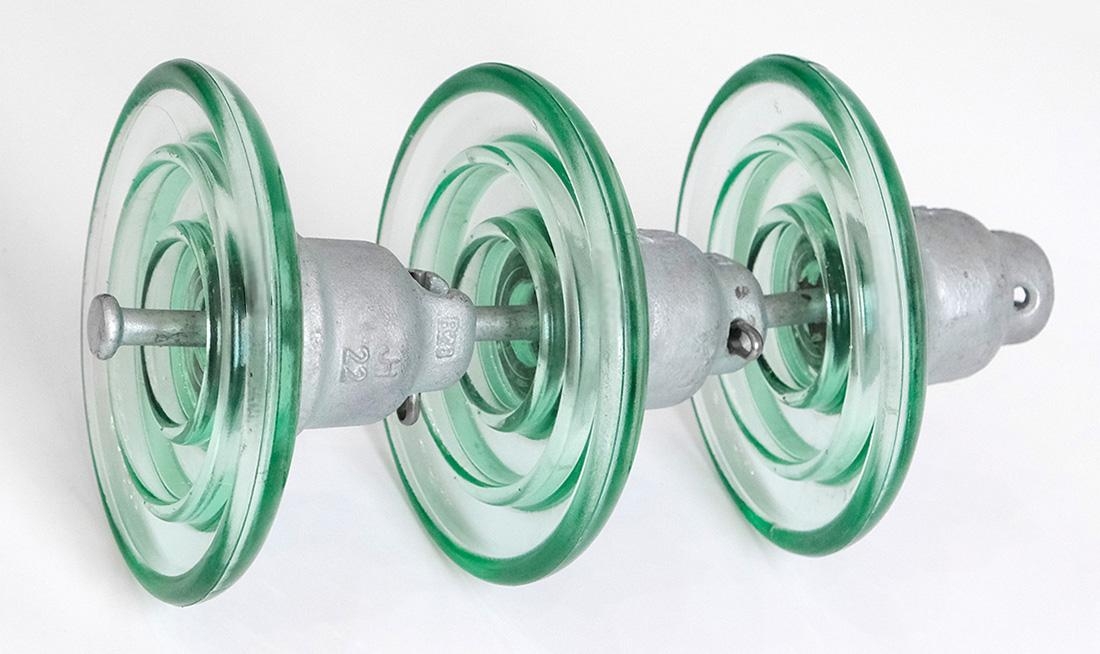
Tanzania’s 132kV transmission substations are critical to the country’s power grid expansion, connecting generation sources to distribution networks and ensuring stable power delivery for industrial, commercial, and residential users. The SF6 circuit breaker is a core component of these substations, and its reliability depends entirely on the performance of its support insulators. The 132kV toughened glass suspension insulator string set selected for Tanzania Project 1 meets all project requirements, including voltage compatibility (132kV), mechanical strength (160 kN MBL), pollution resistance (3,000 mm creepage distance, RTV coating), and connection compatibility (ball & socket series connection).
By choosing this IEC 60273-compliant insulator string set, Tanzania’s 132kV substations can ensure their SF6 circuit breakers operate reliably 24/7, reducing outages and maintenance costs. The insulators’ RTV anti-pollution coating and extended creepage distance make them ideal for Tanzania’s severe pollution zones, while their high mechanical strength and durable fittings ensure long-term stability. Key SEO keywords, including 132kV toughened glass suspension insulator string set, IEC 60273 insulator, SF6 circuit breaker support insulator, and Tanzania 132kV substation insulator, highlight the solution’s value for procurement teams and electrical engineers working on East African power infrastructure projects.
As Tanzania continues to expand its power grid to meet growing energy demands, the reliability of its 132kV substations will be critical to its economic development. The 132kV toughened glass suspension insulator string set selected for this project is not just a component—they are a long-term investment in the country’s power infrastructure, ensuring that 132kV substations operate safely, efficiently, and reliably for decades. With a 60-month warranty and on-site technical support, these insulators provide peace of mind and long-term value, supporting Tanzania’s goal of building a robust, modern power grid.
For stakeholders involved in Tanzania’s 132kV substation projects—including procurement teams, electrical engineers, and utility operators—the recommended insulator solution offers the perfect balance of performance, compliance, and cost-effectiveness. These insulator string sets are tailored to the unique demands of SF6 circuit breaker support, ensuring seamless integration, reliable operation, and compliance with global high-voltage substation standards.