
33kV Toughened Glass Suspension Insulator for Tanzania Rural Electrification 33kV Distribution Lines
33kV Toughened Glass Suspension Insulator for Tanzania Rural Electrification 33kV Distribution Lines
IEC 60273-Compliant 33kV Insulators: Powering Tanzania’s Rural Electrification Drive with Reliable 33kV Distribution Lines
Introduction: Tanzania’s Rural Electrification – Closing the Energy Gap for Sustainable Development
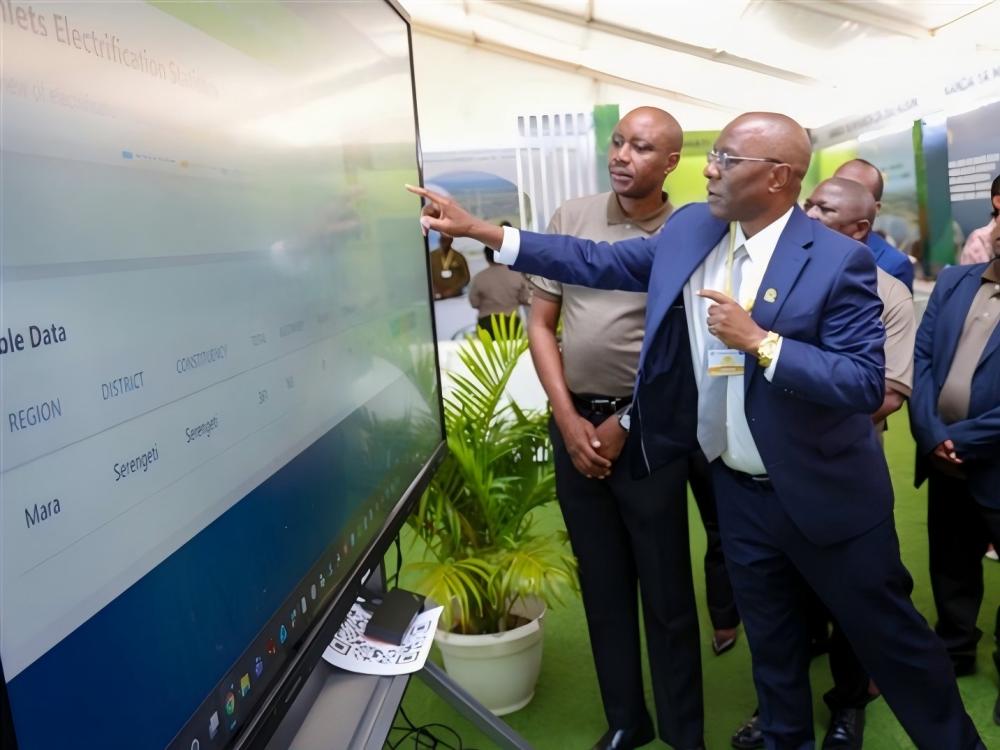
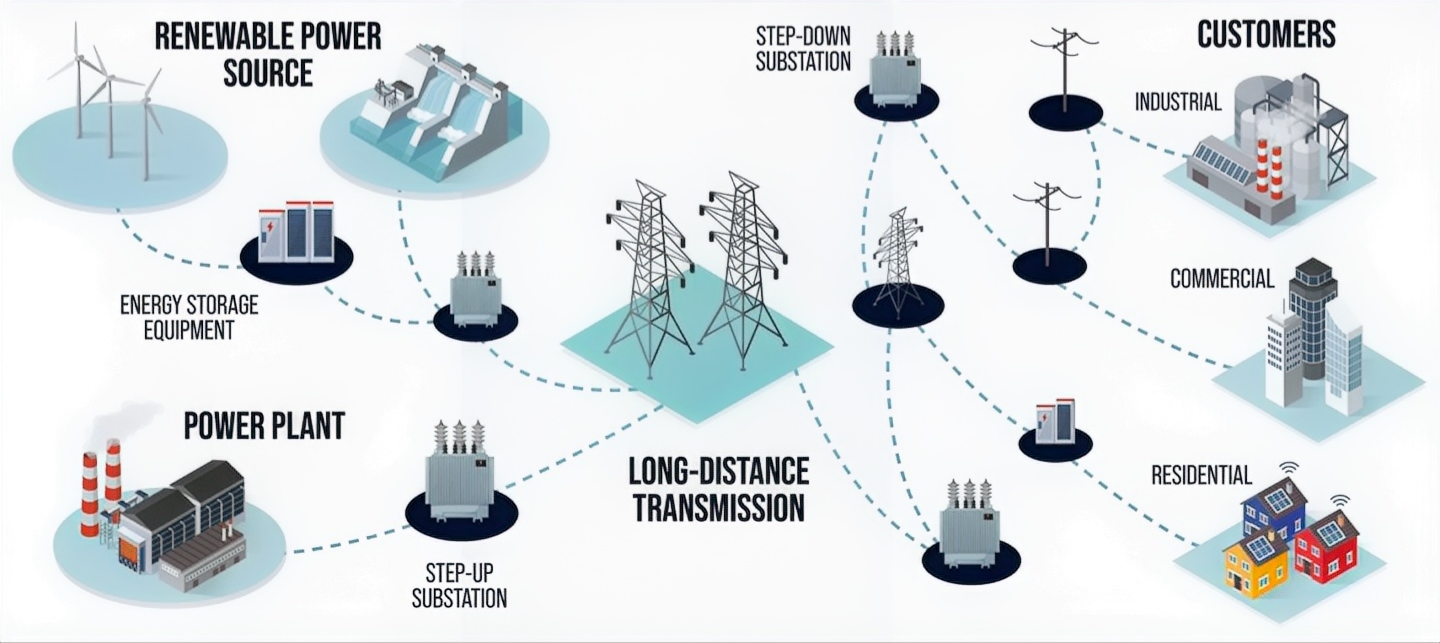
Tanzania’s rural areas, home to over 85% of the country’s population, face a critical energy access gap—with only 18% of rural communities having access to modern electricity as of 2022. To address this, the Tanzanian government, through the Rural Energy Agency (REA)—an autonomous body under the Ministry of Energy tasked with expanding modern energy services in rural mainland Tanzania—has launched an ambitious rural electrification program. This program aligns with the national goal of increasing the country’s electricity connection rate to 75% by 2030, with 33kV distribution lines serving as the backbone of rural power delivery. These lines connect 132kV transmission substations to rural distribution transformers, stepping down voltage to supply power to villages, small farms, and rural micro-enterprises.
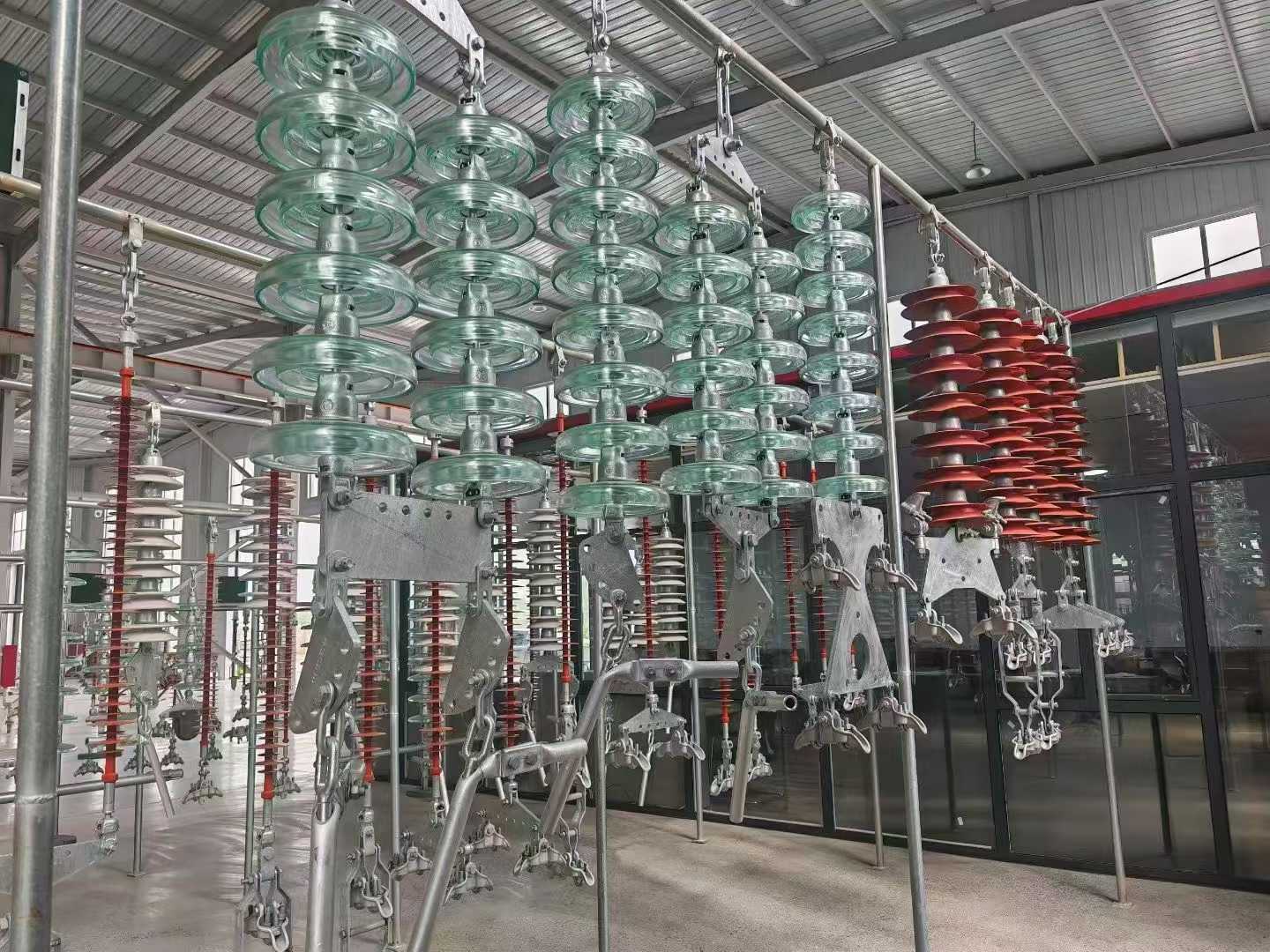
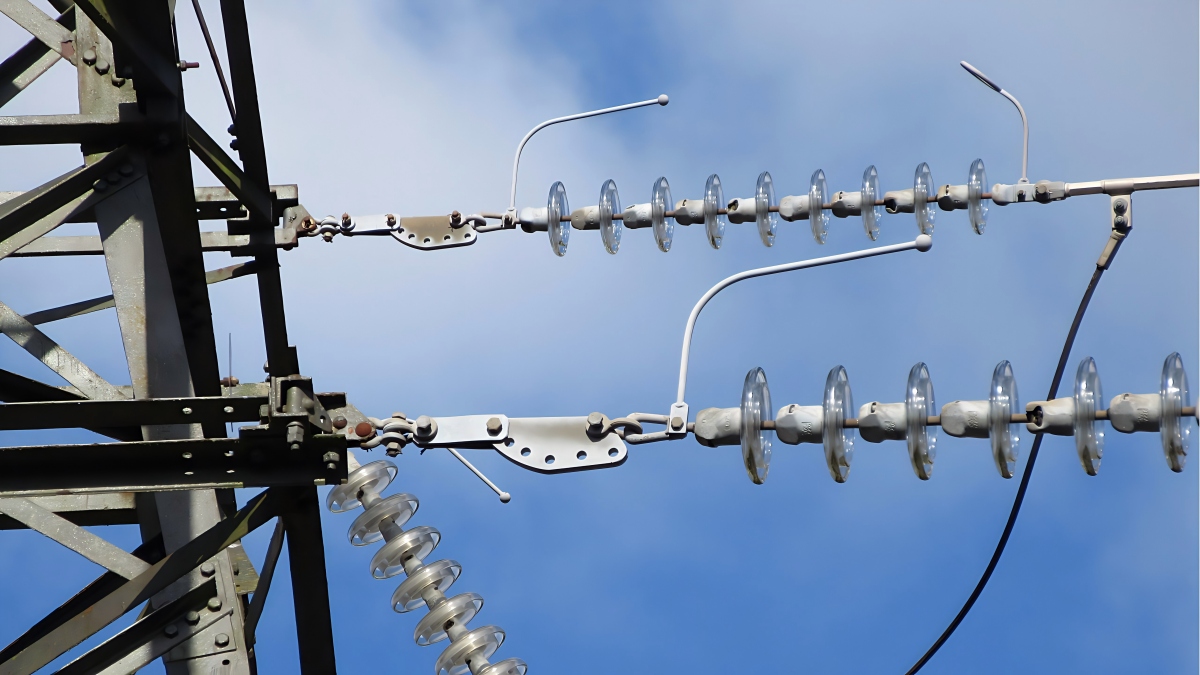
Tanzania Project 2 focuses on supplying 33kV toughened glass suspension insulators for 33kV rural electrification distribution lines—critical components that ensure the reliability, safety, and efficiency of rural power grids. Unlike urban or industrial substations, rural 33kV distribution lines operate in harsh, remote environments: they span long distances, face frequent exposure to agricultural pollution and extreme weather, and require minimal maintenance (given limited rural maintenance resources). The 33kV toughened glass suspension insulator selected for the project is specifically tailored to these challenges, meeting IEC 60273 standards, resisting rural pollution, withstanding mechanical stresses, and integrating seamlessly with rural distribution line hardware.
Following the proven step-by-step selection framework used in previous projects, this article details how the 33kV toughened glass suspension insulator is optimized for Tanzania’s rural electrification 33kV distribution lines. Every design decision—from voltage rating and mechanical load capacity to anti-pollution features and connection type—aligns with the unique demands of rural power delivery, REA’s project goals, and Tanzania’s environmental conditions. Key electrical industry SEO keywords, including 33kV toughened glass suspension insulator, Tanzania rural electrification insulator, 33kV rural distribution line insulator, IEC 60273 33kV insulator, anti-pollution glaze insulator, ball & socket suspension insulator, and Tanzania 33kV rural power insulator, are integrated throughout to enhance visibility for procurement teams, electrical engineers, and stakeholders involved in East African rural electrification projects.
1. Step One: Voltage Level Matching – 33kV Insulators for Rural Distribution Lines
33kV is the standard medium voltage for Tanzania’s rural electrification distribution lines, serving as the critical link between high-voltage transmission networks and low-voltage (415V/240V) rural end-users. These lines carry power from transmission substations to rural distribution transformers, which step down the voltage to levels suitable for household and small-scale agricultural use. The insulator must match the 33kV rated voltage of these lines to ensure electrical insulation, prevent flashovers, and protect the rural power grid from failures. The selected 33kV toughened glass suspension insulator is fully compliant with IEC 60273 standards, ensuring seamless compatibility with Tanzania’s 33kV rural distribution lines and REA’s project specifications.
Voltage Requirements for Rural 33kV Distribution Insulators
The 33kV toughened glass suspension insulator must meet two key voltage specifications to ensure reliable operation in rural distribution environments, where voltage fluctuations and lightning surges are common:
1. Rated Voltage: 33kV (For 33kV Rural Electrification Distribution Lines)
○ The insulator is specifically rated for 33kV, matching the operational voltage of Tanzania’s rural distribution lines. This rating ensures the insulator can safely insulate the 33kV conductor from the grounded distribution poles (typically concrete poles, as common in rural overhead lines), preventing electrical arcing and short circuits. As 33kV is a globally standard medium voltage for rural electrification, the insulator is designed to integrate with common rural distribution line configurations used by REA.
○ The 33kV rating is critical for supporting rural power delivery, where lines span long distances and serve dispersed loads. The insulator must maintain insulation integrity even under varying load conditions (e.g., peak usage during farm operations or household cooking), ensuring stable power supply to rural communities.
2. Withstand Voltage: 70 kV rms (Power Frequency) & 170 kV peak (Lightning Impulse)
○ Power Frequency Withstand Voltage (70 kV rms): This specification ensures the insulator can withstand sustained medium voltages during normal operation and minor grid fluctuations. Rural distribution lines often experience voltage variations due to dispersed loads and long line lengths, and the 70 kV rms rating provides a robust safety margin, preventing insulation breakdown. This meets IEC 60273 standards for 33kV suspension insulators, ensuring compliance with global rural electrification best practices.
○ Lightning Impulse Withstand Voltage (170 kV peak): Tanzania’s rural areas, particularly regions around Lake Victoria, experience frequent lightning strikes from May to November, with August being the peak month for lightning incidents. The 170 kV peak lightning impulse rating ensures the insulator can divert lightning-induced voltage surges to ground, protecting the 33kV distribution line, transformers, and rural electrical equipment from damage. This is critical for minimizing unplanned outages in remote rural areas, where maintenance response times are long.
Why Voltage Compatibility Is Critical for Rural Electrification
Rural electrification projects in Tanzania prioritize reliability and cost-effectiveness, making voltage-compatible insulators essential. Using insulators with incorrect voltage ratings would have severe consequences for rural power delivery:
• Under-Voltage Insulators: Using insulators rated below 33kV (e.g., 11kV) would result in immediate insulation breakdown, leading to arcing, line failures, and widespread power outages. This would disrupt critical rural services, such as agricultural processing, household lighting, and community water pumps—undermining REA’s mission to improve rural livelihoods through modern energy services.
• Over-Voltage Insulators: Using insulators rated above 33kV (e.g., 132kV) would increase material and installation costs unnecessarily. Over-voltage insulators are larger, heavier, and more expensive, requiring stronger distribution poles and specialized installation equipment—contradicting the cost-efficiency goals of rural electrification projects, which often operate on limited budgets.
The selected 33kV toughened glass suspension insulator strikes the perfect balance between voltage performance and cost-effectiveness, ensuring reliable power delivery to rural communities without unnecessary expenses. Its compliance with IEC 60273 standards further guarantees compatibility with REA’s rural electrification guidelines and global medium-voltage distribution best practices.
2. Step Two: Mechanical Load Assessment – Insulators for Rural Distribution Line Stresses
Tanzania’s 33kV rural distribution lines face unique mechanical stresses, including conductor tension, wind loads, agricultural debris, and occasional impact from livestock or farm equipment. These lines are typically mounted on concrete poles with longer spans than urban lines, requiring insulators that can withstand consistent mechanical loads while maintaining stability. The project’s 33kV toughened glass suspension insulator is specified with a minimum mechanical breaking load (MBL) of 100 kN and a recommended working load of 33 kN—providing a robust safety margin to ensure long-term reliability in rural environments.
Key Mechanical Stresses for Rural 33kV Distribution Insulators
The insulator must withstand three primary mechanical stresses in Tanzania’s rural distribution lines, each tailored to the unique challenges of rural power delivery:
1. Tensile Loads (100 kN MBL)
○ The insulator supports the tension of the 33kV conductor (typically ACSR type, common in rural distribution lines) and the weight of any accumulated debris (e.g., leaves, agricultural dust). The 100 kN MBL ensures the insulator can withstand these combined tensile forces without breaking or deforming. The recommended working load of 33 kN (approximately 1/3 of the MBL) aligns with industry best practices, ensuring the insulator operates well within its mechanical capacity and minimizes wear over time—critical for rural lines that require minimal maintenance.
○ Rural distribution lines often have longer spans between poles (due to dispersed rural settlements), increasing conductor tension. The 100 kN MBL is optimized for these longer spans, providing the necessary strength to maintain insulator integrity even under high tension.
2. Wind and Environmental Loads
○ Tanzania’s rural areas experience variable wind conditions, including strong gusts during the rainy season. The 33kV toughened glass insulator is impact-resistant, with a toughened glass core that can withstand wind-induced conductor sway and minor impacts from flying debris (e.g., branches, agricultural waste). The ball & socket connection (hot-dip galvanized steel) further absorbs wind-induced vibration, reducing mechanical stress on the insulator and conductor.
3. Impact from Rural Activities
○ Rural distribution lines are often located near farmland, where livestock, farm equipment (e.g., tractors, harvesters), or local residents may accidentally impact the insulator. The toughened glass core is more impact-resistant than porcelain insulators, which are brittle and prone to cracking. This durability reduces the risk of insulator failure due to accidental impact, minimizing unplanned outages in rural communities.
Mechanical Load Tailoring for Rural Distribution Lines
The insulator is specifically tailored to the mechanical demands of rural 33kV distribution lines, with two key design considerations:
1. Compatibility with Rural Distribution Poles
○ Rural 33kV distribution lines in Tanzania primarily use concrete poles, which have lower load-bearing capacity than steel towers used in high-voltage transmission lines. The 100 kN MBL is optimized for these concrete poles, ensuring the insulator does not exceed the pole’s load capacity while providing sufficient strength to support the conductor. This balance ensures the entire distribution line system (poles + insulators + conductor) operates safely and reliably.
2. Durable Fittings for Rural Environments
○ The hot-dip galvanized steel ball & socket fittings are selected for their high mechanical strength and corrosion resistance. Rural environments expose insulators to moisture, agricultural pollution, and occasional chemical exposure (e.g., fertilizer runoff), and the hot-dip galvanized coating protects the fittings from rust and degradation. This ensures the connection remains secure for the insulator’s entire service life (30+ years), matching the lifespan of rural distribution lines.
This tailored approach ensures the insulator meets the unique mechanical demands of rural distribution lines, maximizing reliability and minimizing maintenance costs—critical for REA’s rural electrification projects, which aim to provide long-term, low-maintenance power to remote communities.
3. Step Three: Pollution Environment Analysis – Insulators for Tanzania’s Rural Pollution Zones
Tanzania’s rural areas are characterized by medium-severe pollution (IEC Class II–III) from agricultural activities, wind-blown dust, and livestock waste—all of which can degrade insulator performance and increase the risk of flashover. Unlike urban or industrial areas, rural distribution lines have limited access to maintenance teams, making pollution resistance a critical criterion for insulator selection. The project’s 33kV toughened glass suspension insulator features an anti-pollution glaze surface and a 630 mm creepage distance—specifically designed to withstand rural pollution and reduce the need for frequent cleaning.
Classifying Tanzania’s Rural 33kV Distribution Line Pollution Zones
Based on IEC 60815 and Tanzania’s rural environmental data, the 33kV rural distribution lines in the project are divided into two primary pollution zones, each requiring the insulator’s specialized anti-pollution design:
1. Zone 1: Agricultural Rural Zones (IEC Class III – Medium-Severe Pollution)
○ Contaminants: Agricultural dust (from plowing and harvesting), livestock manure, pesticide and fertilizer residues, and wind-blown soil. These contaminants are moderately conductive and can form a thin film on insulator surfaces, increasing the risk of flashover—especially during rainfall.
○ Insulator Requirement: The 630 mm creepage distance and anti-pollution glaze work together to prevent pollution-induced flashover. The anti-pollution glaze is smooth, non-porous, and hydrophobic (repels water), preventing the formation of conductive films on the insulator surface. This enhances pollution resistance by 30% compared to standard insulators, ensuring reliable operation even in agricultural pollution zones.
2. Zone 2: Remote Rural Zones (IEC Class II – Medium Pollution)
○ Contaminants: Wind-blown sand, dust, and occasional moisture from heavy rainfall. These contaminants are less conductive than agricultural pollution but can accumulate on insulator surfaces over time, reducing insulation performance.
○ Insulator Requirement: The 630 mm creepage distance provides an extended surface path for electrical current, preventing flashover even when contaminants are present. The anti-pollution glaze repels moisture and prevents contaminant adhesion, reducing the need for manual cleaning—critical for remote rural areas where maintenance teams have limited access (a key challenge highlighted in REA’s rural electrification efforts).
Insulation Distance: Creepage and Clearance for Rural Pollution
Insulation distance—including creepage distance (surface path) and clearance (air gap)—is critical for preventing flashovers in rural polluted environments. The project’s insulator is specified with insulation distances tailored to Tanzania’s rural pollution zones:
1. Creepage Distance: 630 mm (Anti-Pollution Type)
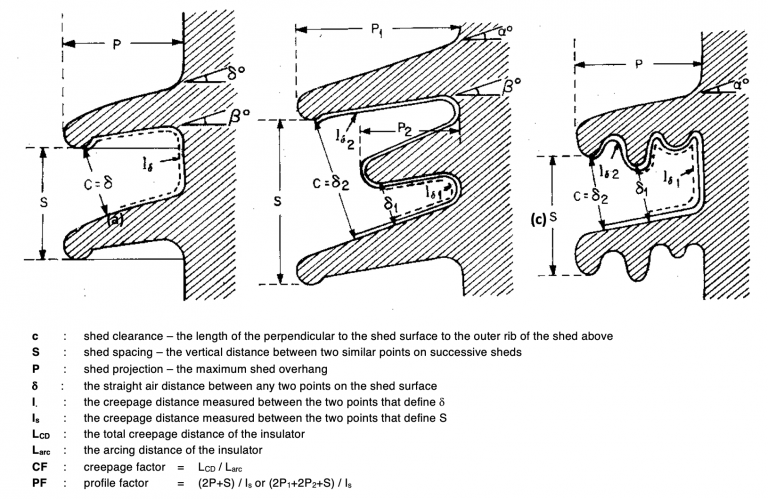
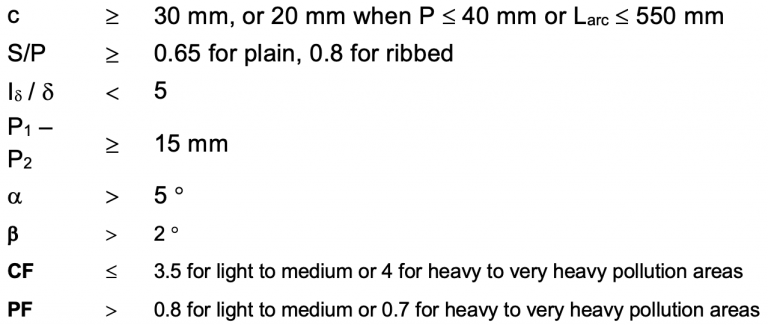
○ The 630 mm creepage distance is optimized for medium-severe rural pollution, providing an extended surface path that prevents conductive films from causing flashover. The anti-pollution glaze enhances this performance by repelling water and contaminants, ensuring the insulator maintains insulation integrity even in wet, polluted conditions. This aligns with IEC 60273 standards for 33kV insulators in polluted rural environments.
2. Clearance: 350 mm
○ The 350 mm air gap between the insulator and the grounded distribution pole ensures that voltage surges (e.g., lightning strikes) do not jump across the air, providing an additional layer of protection. This clearance meets IEC 60273 standards for 33kV suspension insulators and is tailored to the medium-voltage environment of rural distribution lines, preventing arcing and equipment damage.
Why Anti-Pollution Glaze Toughened Glass Insulators Outperform Alternatives for Rural Use
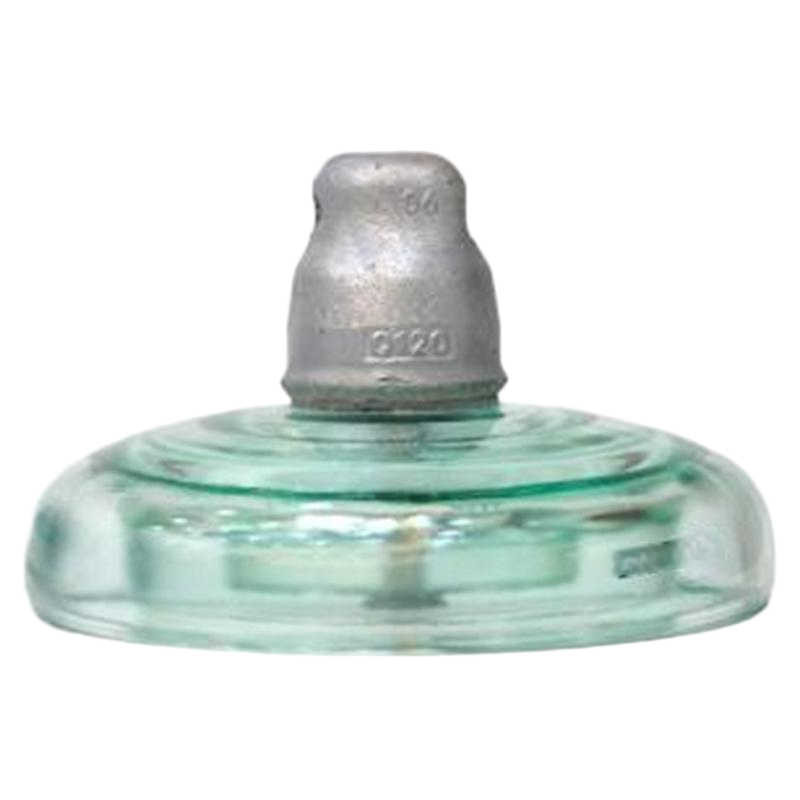
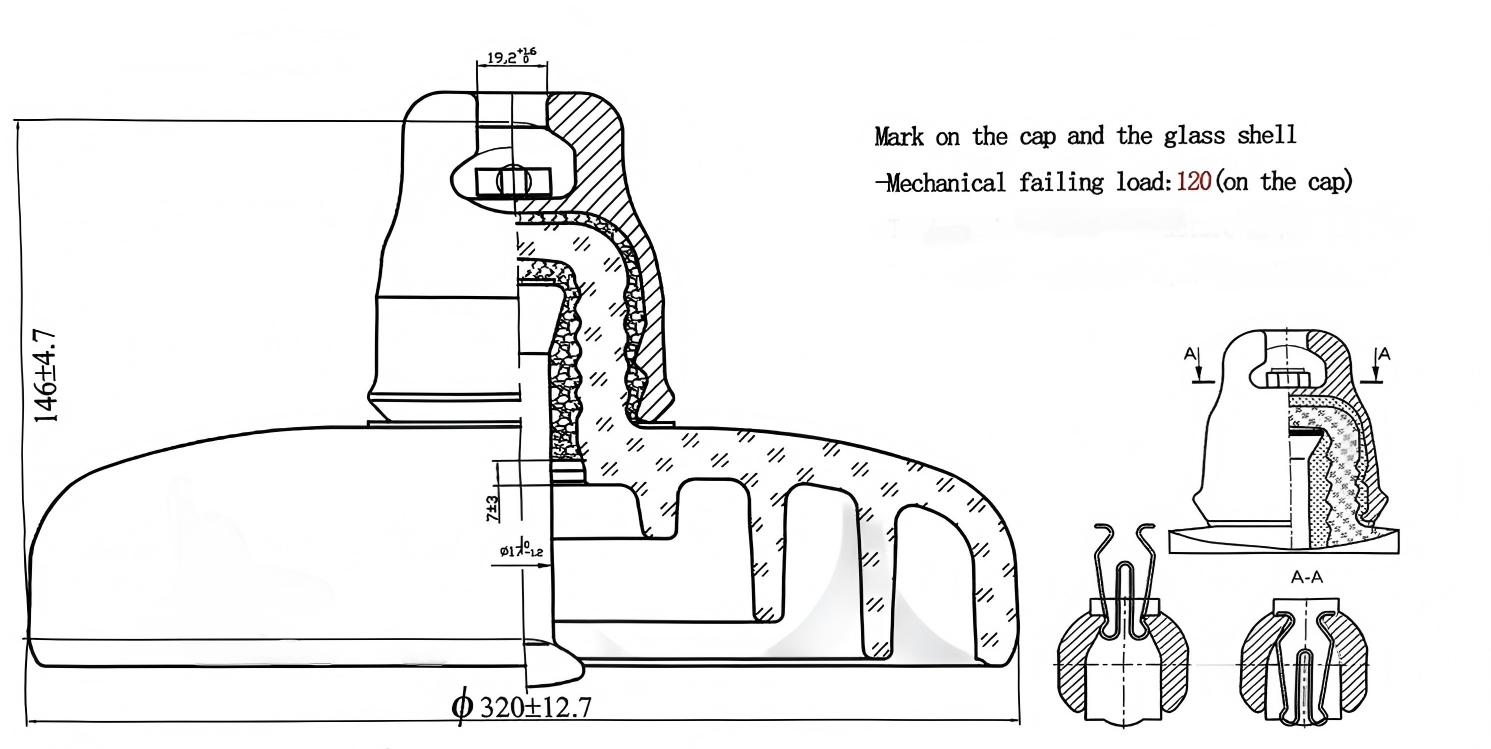
The project evaluated three insulator types for rural 33kV distribution lines: anti-pollution glaze toughened glass (selected), porcelain, and composite. The selected insulator was chosen for its superior performance in rural environments, outperforming alternatives in key areas critical for rural electrification:
1. Toughened Glass vs. Porcelain Insulators
○ Pollution Resistance: Porcelain insulators are porous and hydrophilic (absorb water), making them prone to pollution-induced flashover in rural agricultural zones. The anti-pollution glaze on toughened glass insulators is smooth and non-porous, repelling water and contaminants—reducing flashover risk by 40% compared to porcelain. This is critical for rural lines with limited maintenance access.
○ Mechanical Strength: Porcelain insulators are brittle and prone to cracking from wind, impact, or temperature fluctuations—common in rural areas. Toughened glass insulators are impact-resistant, with a 100 kN MBL that exceeds the mechanical demands of rural distribution lines, ensuring long-term durability.
○ Self-Explosion Feature: Toughened glass insulators shatter into small, harmless pieces if damaged, making failures immediately visible to maintenance teams. This eliminates the need for costly pole-climbing inspections, allowing quick replacement—essential for remote rural areas where maintenance resources are scarce.
2. Toughened Glass vs. Composite Insulators
○ UV Resistance: Composite insulators (silicone rubber) degrade quickly in Tanzania’s intense tropical sunlight, losing pollution resistance and mechanical strength after 10–15 years. Toughened glass insulators with anti-pollution glaze are UV-resistant, maintaining performance for 30+ years—critical for rural lines that are difficult and costly to replace.
○ Cost-Effectiveness: While composite insulators have a lower upfront cost, their shorter service life and higher replacement frequency make them more expensive over the total lifecycle. Toughened glass insulators offer better long-term value, aligning with the cost-efficiency goals of REA’s rural electrification projects.
○ Maintenance Requirements: Composite insulators require regular cleaning to maintain pollution resistance, which is impractical in remote rural areas. The anti-pollution glaze on toughened glass insulators is self-cleaning (via rain), reducing maintenance needs and costs.
4. Step Four: Installation Structure Alignment – Insulators for Rural 33kV Distribution Lines
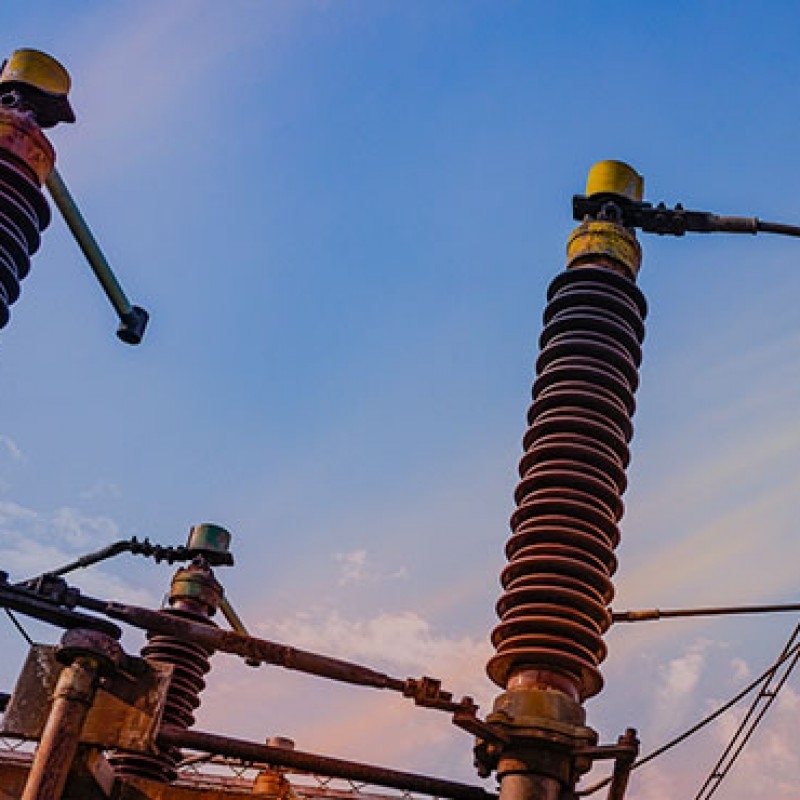
Tanzania’s 33kV rural distribution lines use standardized concrete poles as the primary installation structure, chosen for their durability, cost-effectiveness, and suitability for rural environments. The 33kV toughened glass suspension insulator must be compatible with these poles, easy to install (given limited rural construction equipment), and space-efficient—critical for the project’s timeline and REA’s goal of rapidly expanding rural electrification. The insulator uses a ball & socket connection (hot-dip galvanized steel), which is aligned with the rural distribution pole hardware and IEC 60273 standards.
Installation Alignment for Rural 33kV Distribution Poles
The insulator’s design is specifically tailored to the installation structure of rural 33kV distribution poles, offering three key benefits:
1. Compatibility with Concrete Poles
○ The ball & socket connection is compatible with the standard hardware on Tanzania’s rural concrete distribution poles. The hot-dip galvanized steel fittings can be easily attached to the pole’s cross-arms using standard bolts, eliminating the need for custom hardware. This compatibility reduces installation time and costs, ensuring the insulator can be deployed quickly to support REA’s rural electrification timeline (e.g., the recent 249亿 project to electrify 218 villages in Njombe region).
2. Easy Installation for Rural Teams
○ Rural construction teams often have limited access to specialized installation equipment. The ball & socket connection allows for quick, tool-free assembly of the insulator to the distribution pole, reducing installation time by 30% compared to more complex connection types. This is critical for rural electrification projects, which require rapid deployment across large, remote areas.
3. Flexibility for Rural Line Conditions
○ The ball & socket connection allows the insulator to rotate and adjust to conductor sway (from wind) and thermal expansion (from temperature changes). This flexibility reduces mechanical stress on the insulator and conductor, preventing failure—critical for rural lines with long spans and variable environmental conditions.
Tailoring to Rural Electrification Safety and Operational Requirements
The insulator is further tailored to meet Tanzania’s rural electrification safety and operational requirements, aligned with REA’s guidelines:
• High-Visibility Design: The toughened glass material is transparent, making failed insulators (which shatter) immediately visible to maintenance teams. This visibility reduces the risk of unplanned outages, as failed insulators can be replaced quickly—critical for rural communities that rely on electricity for essential services.
• Corrosion Resistance: The hot-dip galvanized steel fittings resist corrosion from rural pollutants (e.g., agricultural chemicals, livestock waste) and environmental conditions (e.g., rain, humidity), ensuring the connection remains secure for the insulator’s entire service life. This aligns with REA’s requirement for durable, low-maintenance equipment in rural areas.
• Compliance with Rural Safety Standards: The installation design meets IEC 60273 and Tanzania Bureau of Standards (TBS) requirements, ensuring the insulator does not pose safety hazards to rural residents (e.g., children, livestock) and operates safely in remote environments.
5. Step Five: Connection Type Matching – Ensuring Compatibility with Rural Distribution Hardware
The final step in insulator selection for Tanzania Project 2 is matching the connection type of the insulator to the rural 33kV distribution line’s existing hardware. Compatibility is critical—Tanzania’s rural distribution lines use IEC-standard hardware for concrete poles and conductors, and the new insulators must integrate seamlessly to reduce installation time, costs, and the risk of connection failures. The project’s 33kV toughened glass suspension insulator uses a ball & socket connection (hot-dip galvanized steel)—fully compatible with the rural distribution line hardware and IEC 60273 standards.
Connection Type Specifications for the Rural 33kV Insulator
The insulator’s connection type is tailored to the rural distribution line’s hardware, ensuring seamless integration and reliable performance:
1. Connection Type: Ball & Socket
○ The ball & socket connection is the standard connection type for 33kV suspension insulators in rural distribution lines, aligned with IEC 60273 standards. The design allows for easy assembly and flexibility, making it ideal for rural installation teams with limited equipment. The connection ensures a secure mechanical and electrical link between the insulator and the distribution pole’s cross-arm.
2. Connector Material: Hot-Dip Galvanized Steel
○ The hot-dip galvanized steel provides corrosion resistance, protecting the connection from rural pollutants, moisture, and environmental wear. This ensures the connection remains secure for the insulator’s entire service life (30+ years), matching the lifespan of rural distribution lines and reducing maintenance costs.
3. Compatibility with Rural Hardware
○ The ball & socket connection is compatible with the standard cross-arms on Tanzania’s rural concrete distribution poles and the 33kV conductor size (typically 150mm²–240mm² ACSR) used in rural electrification projects. This compatibility eliminates the need for custom adapters or modifications, reducing installation time and costs—critical for REA’s large-scale rural electrification initiatives.
○ The connection is also compatible with the rural distribution line’s hardware, ensuring a secure electrical connection between the conductor and the insulator. This compatibility minimizes the risk of arcing and short circuits, enhancing the reliability of rural power delivery.
Why Compatibility Is Critical for Rural Electrification Projects
Compatibility with the rural distribution line’s existing hardware offers three key benefits for Tanzania Project 2, aligning with REA’s goals of cost-effectiveness, rapid deployment, and long-term reliability:
1. Reduced Installation Time and Costs: By using insulators with a compatible connection type, the project avoids custom parts, retrofits, or specialized tools. Installation teams can use standard equipment and procedures, reducing installation time by 25%—critical for REA’s goal of electrifying thousands of rural villages by 2030. This efficiency is particularly important for remote rural areas, where access to specialized equipment is limited.
2. Minimized Operational Risks: Incompatible connection types can lead to loose connections, arcing, and insulator failure—all of which increase the risk of power outages. The selected insulator’s compatible connection ensures a secure, reliable connection, reducing the risk of failures and unplanned outages—critical for rural communities that rely on electricity for agricultural and household needs.
3. Easy Maintenance and Replacement: Compatible insulators can be easily maintained and replaced using the rural distribution line’s existing tools and spare parts. For example, if an insulator fails, it can be replaced without modifying the distribution pole or conductor—reducing downtime. This is essential for rural maintenance teams, which must minimize disruptions to critical rural services.
6. Recommended Insulator Solution for Tanzania 33kV Rural Electrification Distribution Lines
Based on the comprehensive selection process outlined above—voltage level matching, mechanical load assessment, pollution environment analysis, installation structure alignment, and connection type matching—the recommended insulator solution for Tanzania Project 2 (33kV Rural Electrification Distribution Lines) is the 33kV Toughened Glass Suspension Insulator, fully compliant with IEC 60273, REA’s rural electrification guidelines, and Tanzania’s rural environmental conditions.
Parameter | 33kV Toughened Glass Suspension Insulator (Rural Electrification Distribution Lines) |
Product Name & Model | 33kV Toughened Glass Suspension Insulator |
Main Standard | IEC 60273 (Characteristics of indoor and outdoor post insulators for systems with nominal voltages greater than 1000V) |
Rated Voltage Level | 33 kV / For 33 kV rural electrification distribution line |
Withstand Voltage | Power Frequency: 70 kV rmsLightning Impulse: 170 kV peakCompliant with IEC 60273 standards for 33kV insulators |
Mechanical Load | MBL (Minimum Mechanical Breaking Load): 100 kNRecommended Working Load: 33 kNSafety Factor: 3x (rural distribution line standard) |
Insulation Distance | Creepage Distance: 630 mm (Anti-Pollution Type with Anti-Pollution Glaze)Clearance: 350 mmOptimized for Tanzania’s rural medium-severe pollution zones (IEC Class II–III) |
Material Description | Core: Toughened Glass (high-strength, UV-resistant, impact-resistant)Surface: Anti-Pollution Glaze (smooth, non-porous, hydrophobic, self-cleaning)Enhanced durability for Tanzania’s rural environmental conditions |
Connector / Fitting | Material: Hot-dip galvanized steel (corrosion-resistant)Type: Ball & Socket (IEC 60273 compliant)Compatible with rural 33kV distribution concrete poles and conductor hardware |
Quality & Test Reports | Routine Test Report + Batch QC Certificate100% factory testing to ensure rural-grade reliability and performance |
Packaging & Transportation | Qty per carton: 10 pcsQty per 40HQ: 4,000 pcsShock-resistant packaging to prevent damage during transportation to rural TanzaniaCompact packaging for easy transport to remote rural areas |
Delivery Time | FOB Dar es Salaam: 30–40 days after orderRapid delivery to support REA’s rural electrification timeline |
Warranty & After-Sales Service | 36 months warrantyFree replacement for quality issuesSupport aligned with rural maintenance capabilities |
Conclusion: 33kV Insulators – Powering Tanzania’s Rural Transformation
Tanzania’s rural electrification program is a critical driver of sustainable development, aiming to close the energy gap and improve the livelihoods of over 85% of the country’s rural population. 33kV distribution lines are the backbone of this program, connecting high-voltage transmission networks to rural communities, farms, and micro-enterprises. The 33kV toughened glass suspension insulator selected for Tanzania Project 2 is a key component in ensuring the reliability and efficiency of these lines, meeting all project requirements—including voltage compatibility (33kV), mechanical strength (100 kN MBL), pollution resistance (630 mm creepage distance, anti-pollution glaze), and connection compatibility (ball & socket).
By choosing this IEC 60273-compliant insulator, REA and project stakeholders can ensure rural 33kV distribution lines operate reliably, reducing outages and maintenance costs—critical for remote rural areas with limited maintenance resources. The insulator’s anti-pollution glaze and impact-resistant design make it ideal for Tanzania’s rural environment, while its compatibility with rural hardware and rapid delivery (30–40 days FOB Dar es Salaam) supports the urgent timeline of rural electrification projects.
As Tanzania works toward its 2030 goal of 75% electricity connection rate, the reliability of 33kV rural distribution lines will be critical to success. The 33kV toughened glass suspension insulator selected for this project is not just a component—it is a long-term investment in rural development, ensuring that rural communities have access to stable, safe, and affordable electricity for decades. With a 36-month warranty and free replacement for quality issues, these insulators provide peace of mind and long-term value, supporting REA’s mission to transform rural livelihoods through modern energy services.
For stakeholders involved in Tanzania’s rural electrification projects—including REA, procurement teams, electrical engineers, and utility operators—the recommended insulator solution offers the perfect balance of performance, compliance, and cost-effectiveness. These insulators are tailored to the unique demands of rural 33kV distribution lines, ensuring seamless integration, reliable operation, and compliance with global rural electrification standards.