

What is an Insulator? Glass Insulators & Electrical Insulation Resistance Test
What is an Insulator? Glass Insulators & Electrical Insulation Resistance Test
Introduction
In the global electrical ecosystem, insulators are the unsung heroes that keep power flowing safely and reliably. When people ask "what is the insulators" or "what a insulator", the simple answer is: a material or device that blocks unintended electric current flow between conductive components.
Unlike conductors that freely carry electrons, insulators have extremely high electrical resistance. This property makes them essential for isolating live parts, protecting equipment, and safeguarding human life in everything from household circuits to large-scale power grids.
This guide focuses on electrical insulators (not antique collectibles), with special emphasis on glass insulators – the most widely used type in modern power transmission.

Core Principles of Electrical Insulation
To fully understand "what is an insulator", we must first distinguish between insulators and conductors. This fundamental contrast reveals why insulators are irreplaceable in electrical systems.
Insulators vs Conductors: Atomic-Level Difference
Conductors like copper and aluminum have free electrons that move easily when an electric field is applied. This allows current to flow with minimal resistance.
Insulators, by contrast, have tightly bound electrons that cannot break free from their atomic orbits under normal conditions. This gives them resistivity ranging from 10¹⁰ Ω·m to 10²⁰ Ω·m – billions of times higher than conductors.
Electronic band theory explains this phenomenon: insulators have a large energy gap between their valence band and conduction band. Electrons require extreme energy to cross this gap, making current flow nearly impossible.
The Critical Electrical Insulation Resistance Test
The electrical insulation resistance test is the cornerstone of quality control and maintenance for all electrical insulators. It measures an insulator's ability to resist leakage current, providing a quantitative assessment of its performance.
How the Test Works
During the test, a high-voltage DC source is applied to the insulator. The resulting leakage current is measured, and insulation resistance is calculated using Ohm's Law (R = V/I).
This test is performed at every stage of an insulator's lifecycle:
Manufacturing: Ensures products meet industry standards like IEC 61109
Installation: Verifies no damage occurred during shipping
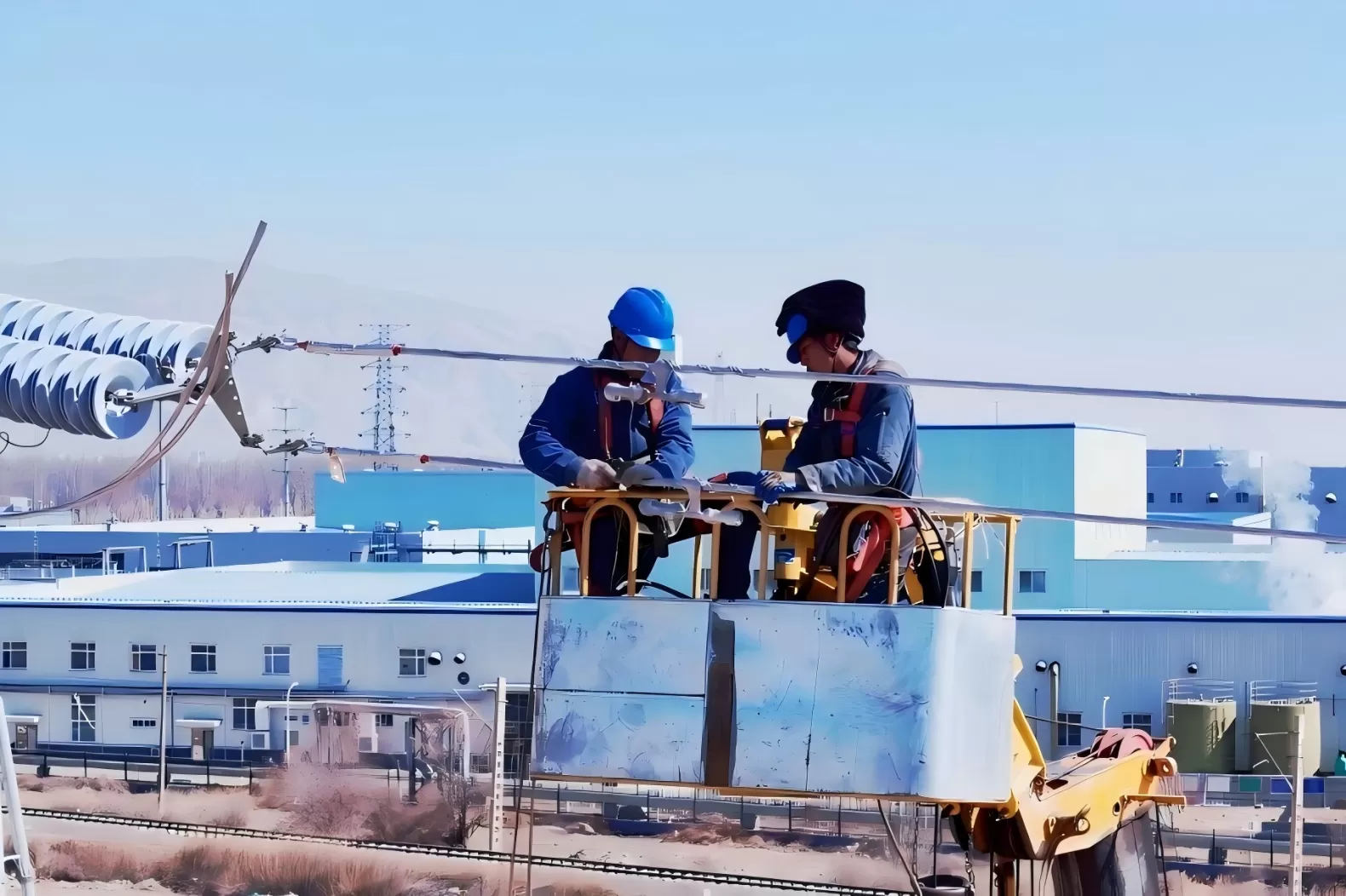
Routine maintenance: Detects degradation or contamination early
Why It Matters for Energy Suppliers
For energy suppliers and power companies, the electrical insulation resistance test prevents costly power outages and safety hazards. Contamination, temperature changes, and mechanical stress can all reduce insulation resistance over time.
Routine testing allows for proactive maintenance, replacing faulty insulators before they fail. This is especially critical for high-voltage power grids, where a single insulator failure can cause widespread blackouts.
Common Types of Electrical Insulators
Insulators in electricity systems are classified by material, application, and voltage rating. The three most common types are glass, ceramic, and composite insulators.
Glass Insulators: The Industry Standard
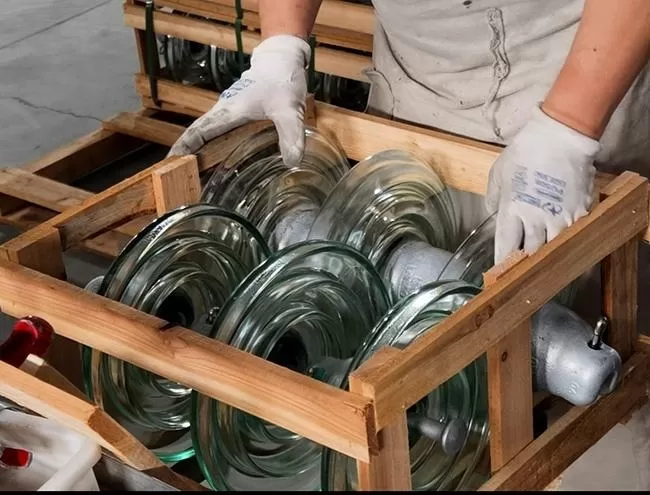
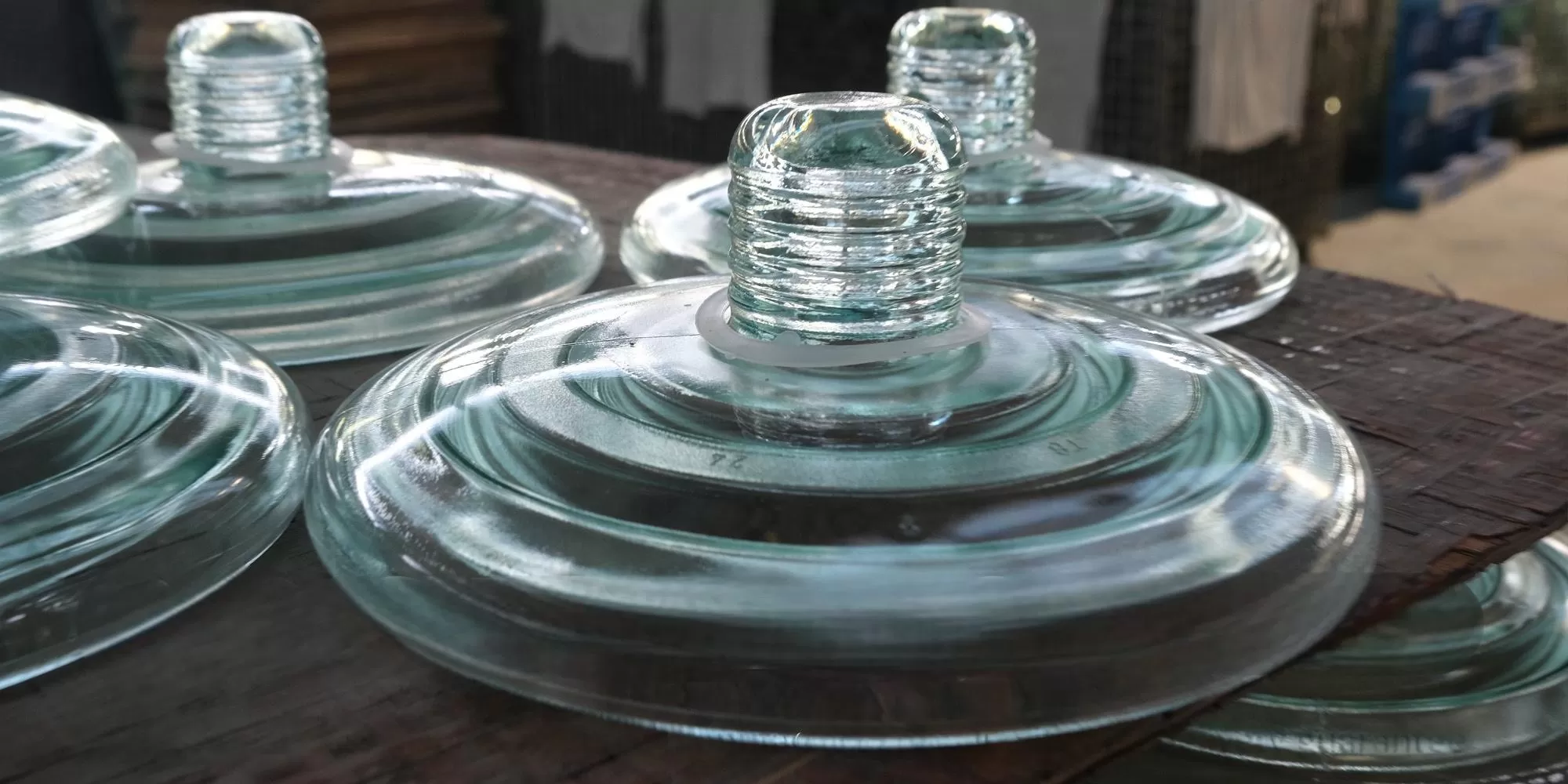
Glass as insulation has been the preferred choice for power grids for over a century. Glass insulators (also called insulators glass) offer unmatched performance in high-voltage applications.
Key advantages of glass insulators:
High dielectric strength (9-13 kV/mm)
Excellent mechanical strength (40kN to 550kN)
Resistance to UV radiation and temperature changes
Transparent design for easy defect detection
Self-cleaning surface that reduces maintenance
Other Insulator Types
Ceramic insulators are still used in some low-voltage applications due to their low cost. However, they are less durable than glass and more prone to hidden cracks.
Composite insulators (made of silicone rubber) are used in heavily polluted or high-altitude areas. They offer good hydrophobic properties but have a shorter lifespan than glass insulators.
Glass Insulators in Power Grids
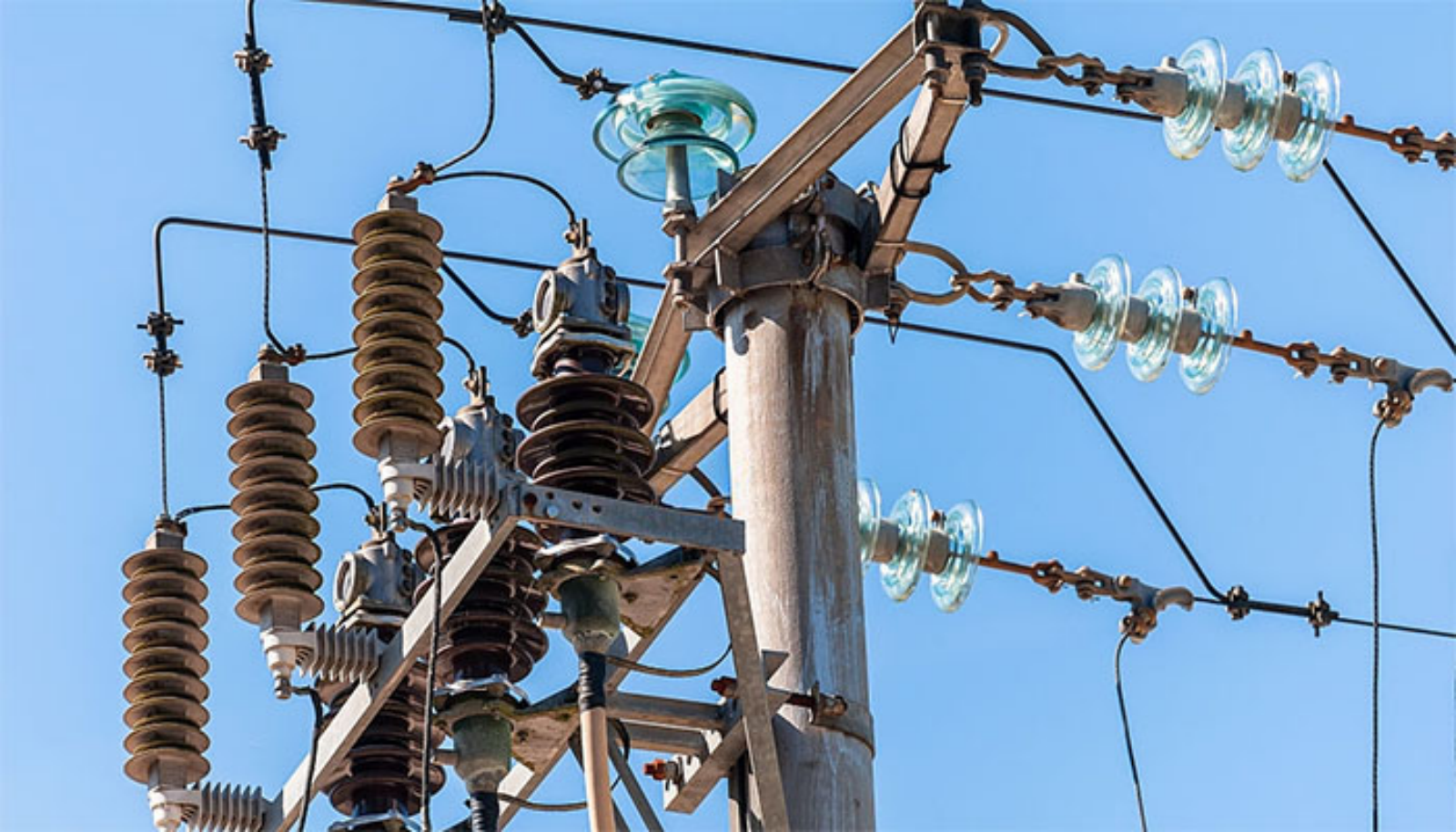
Glass insulators are the backbone of modern power grids. They are used in every part of the transmission and distribution system, from power plants to residential neighborhoods.
Common Glass Insulator Applications
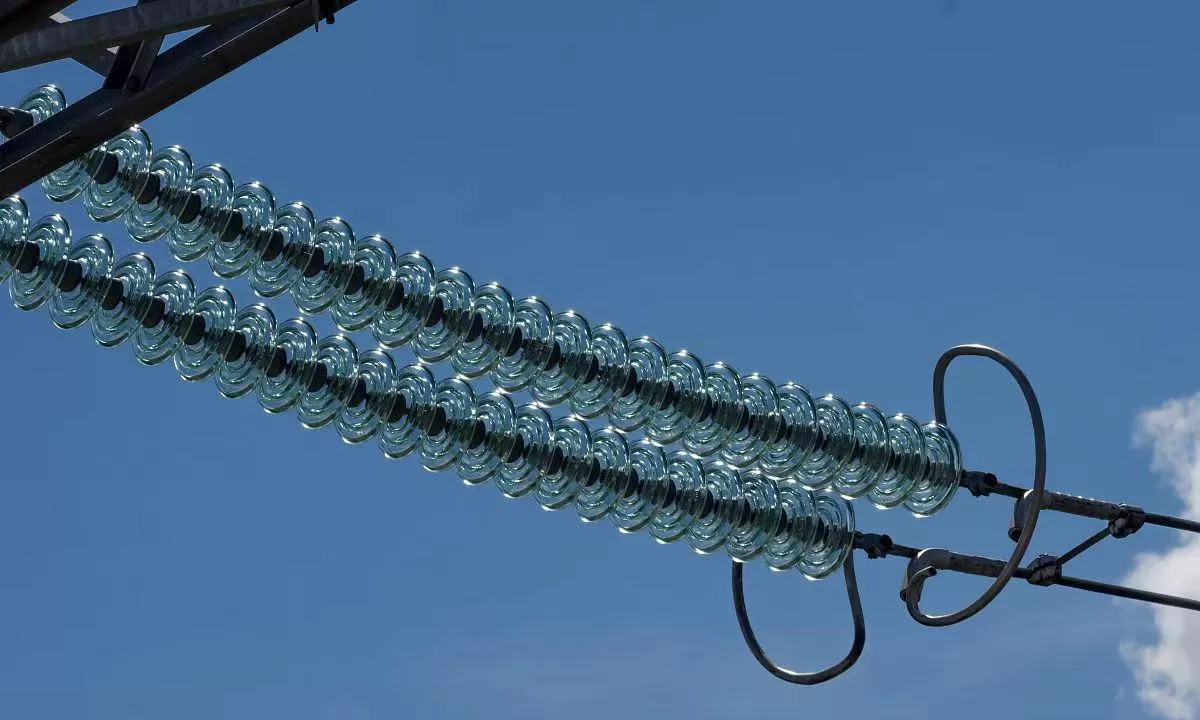
Suspension insulators: Used in high-voltage powerlines (110kV to 1000kV), connected in strings to support conductors
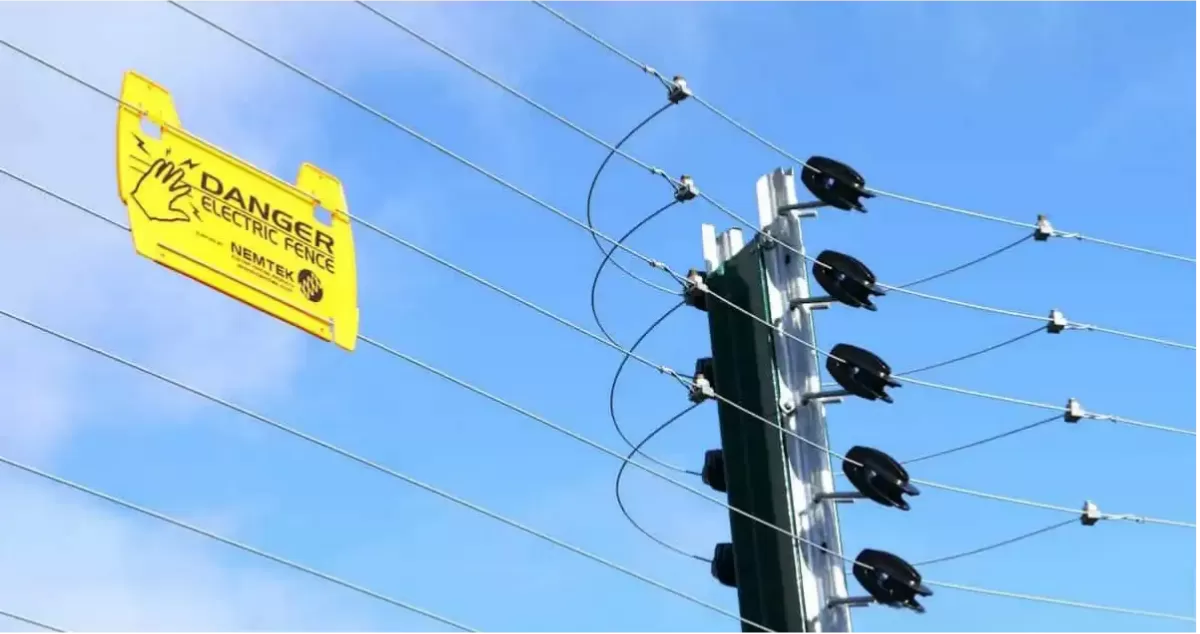
Pin insulators: Used in low- and medium-voltage distribution lines
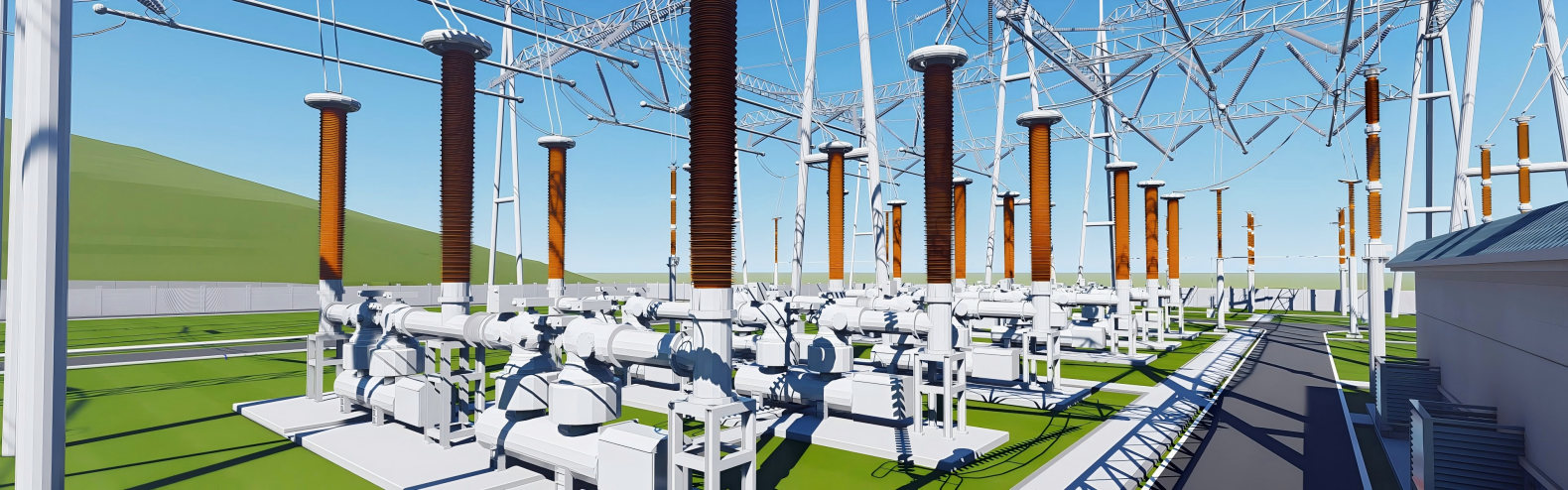
Post insulators: Support busbars and equipment in substations
Strain insulators: Withstand mechanical tension at line corners and dead ends
Popular Insulator Examples
The U70BS glass insulator is the most widely used in 110kV power grids. It has a rated mechanical load of 70kN and a dry flashover voltage of 185kV.
For higher voltage applications, the LXHY4-120 glass insulator is designed for 220kV lines, with a 120kN mechanical load capacity.
The Role of Insulators Company
Insulators company play a critical role in ensuring the reliability of power grids worldwide. These companies design, manufacture, and supply high-quality glass insulators to energy suppliers and power companies.
Leading insulators company adhere to strict international standards. They conduct rigorous testing, including the electrical insulation resistance test, to ensure their products meet performance requirements.
Many insulators company also provide technical support and maintenance services. This helps energy suppliers optimize insulator performance and extend their lifespan.
Conclusion
Understanding "what is an insulator" is essential for anyone working in the electrical industry. Insulators are critical components that prevent unintended current flow, protect equipment, and ensure the safe operation of power grids.
The electrical insulation resistance test is the most important tool for assessing insulator performance. Glass insulators, with their exceptional electrical and mechanical properties, are the preferred choice for energy suppliers worldwide.
As the demand for reliable electricity continues to grow, insulators company will continue to innovate, developing even better glass insulators to meet the challenges of modern power systems.
| FAQ | SOLARIS ELECTRICAL |
Q1: What is the difference between an insulator and a conductor? Insulators block electric current flow due to tightly bound electrons, while conductors allow current to flow freely through free electrons. |
Q2: Why are glass insulators better than ceramic insulators? Glass insulators have higher mechanical strength, better dielectric properties, and a transparent design that makes defect detection easier. They also have a longer lifespan (30-50 years vs 20-30 years for ceramic). |
Q3: How often should the electrical insulation resistance test be performed? For new insulators, it is performed during manufacturing and installation. For in-service insulators, it is typically done every 3-5 years, or more frequently in harsh environments. |
Q4: What factors affect insulation resistance? Temperature, humidity, contamination, and mechanical damage can all reduce insulation resistance. High humidity, in particular, increases leakage current. |
Q5: Can glass insulators be recycled? Yes, glass insulators are 100% recyclable. Many insulators company now use recycled glass in their manufacturing process to reduce environmental impact. |