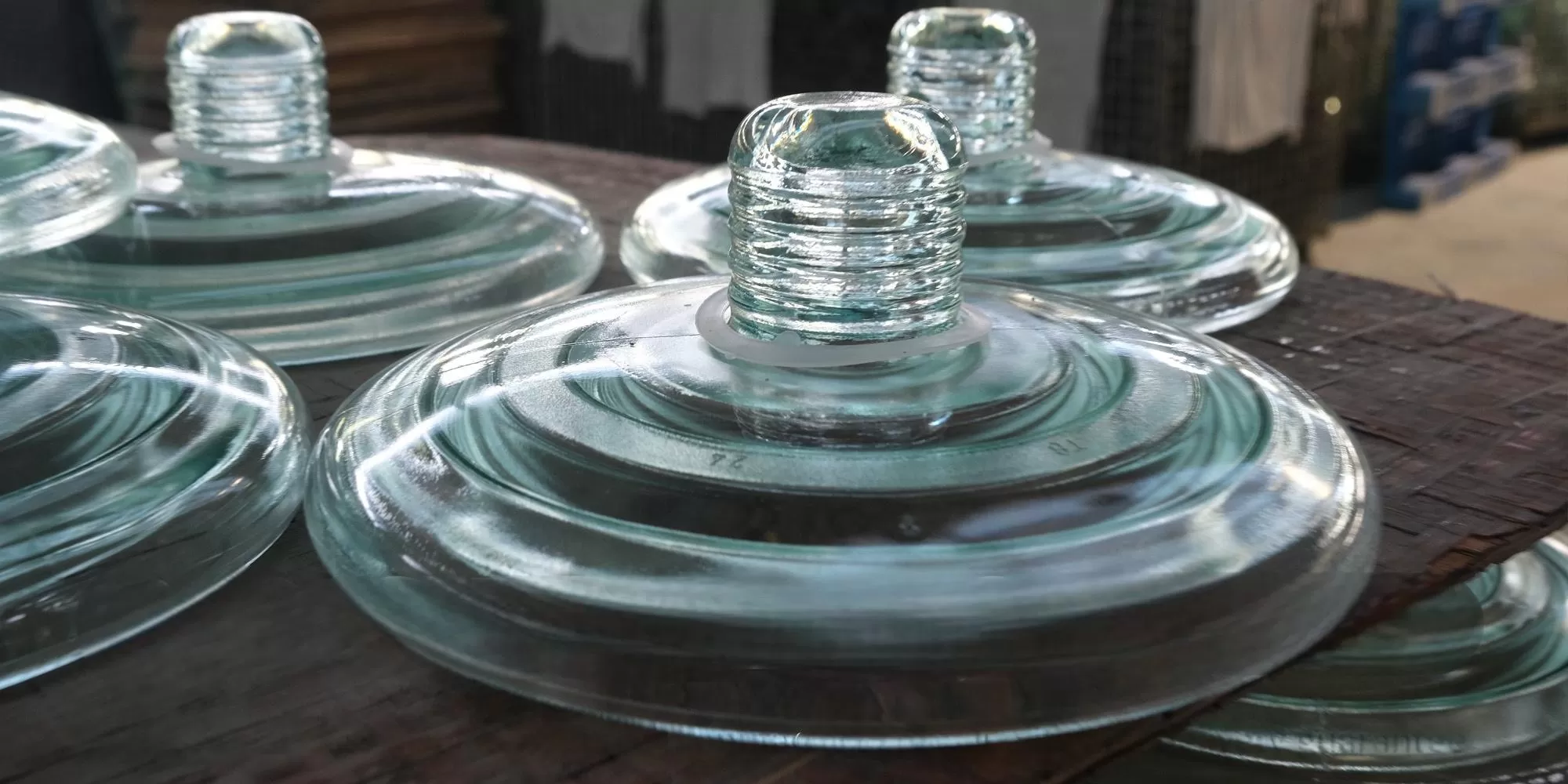
33kV Toughened Glass Suspension Insulators: Powering Venezuela’s 33kV Distribution Line Hardware Supply Project
33kV Toughened Glass Suspension Insulators: Powering Venezuela’s 33kV Distribution Line Hardware Supply Project
Introduction
Venezuela’s electricity sector faces a critical crossroads, with aging distribution infrastructure struggling to meet the demands of a growing population and industrial activity. The country’s 33kV distribution lines—responsible for transmitting power from substations to urban neighborhoods, rural communities, and industrial zones—are particularly vulnerable. Years of underinvestment have led to frequent outages, high power losses, and increased safety risks, exacerbated by Venezuela’s unique environmental challenges: coastal humidity, industrial pollution, and tropical storm activity. To address these issues, the Venezuelan government and utility companies have launched a strategic 33kV Distribution Line Hardware Supply Project, focused on upgrading key components—including fuses, line hardware, and critical insulation solutions—to enhance grid reliability and resilience.
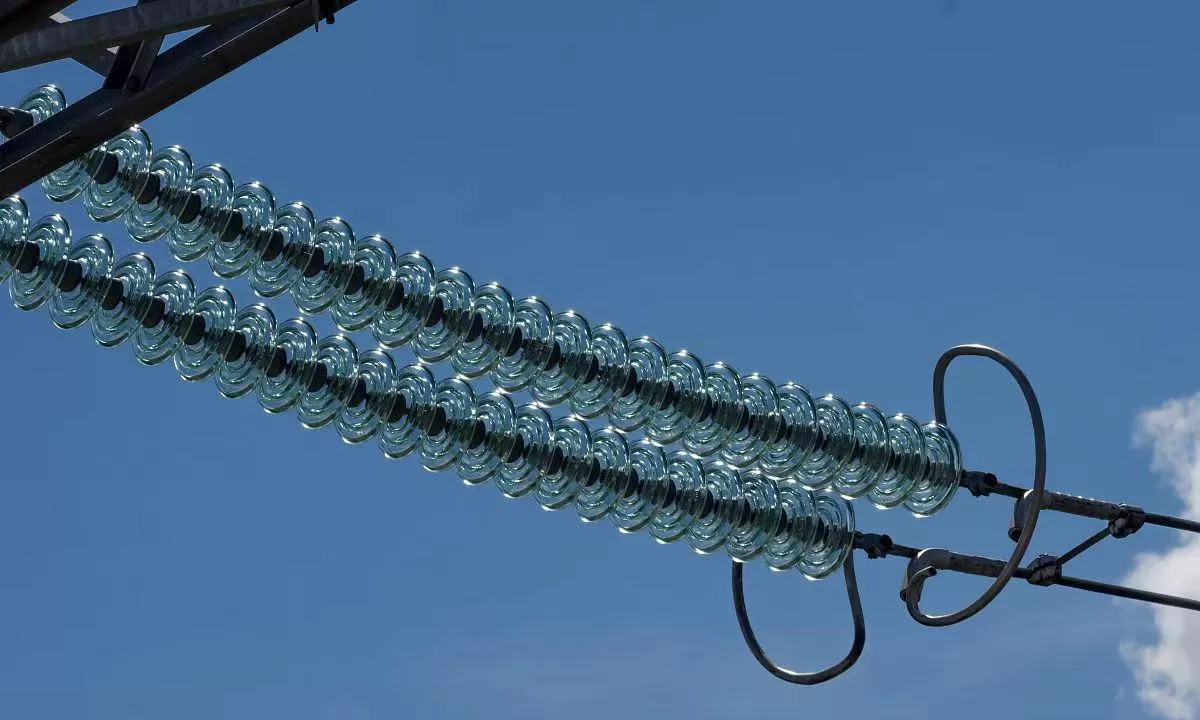
At the heart of this project lies a non-negotiable component: 33kV Toughened Glass Suspension Insulators. These insulators are not just passive parts of the distribution system—they are engineered to solve Venezuela’s most pressing grid challenges. Compliant with the internationally recognized IEC 60273 standard, optimized for 33kV applications, and equipped with anti-corrosion features, they ensure electrical insulation, mechanical stability, and long-term durability in the country’s harsh coastal and industrial environments.
This article explores how 33kV Toughened Glass Suspension Insulators are tailored to Venezuela’s 33kV distribution line upgrade needs. It details their technical specifications, performance advantages, quality assurance processes, and logistical support—proving why they are the ideal choice for modernizing Venezuela’s power grid and supporting the project’s hardware supply goals.
1. Project Background: Why Venezuela Needs 33kV Distribution Line Upgrade
Venezuela’s 33kV distribution lines form the backbone of its medium-voltage grid, connecting 138kV/69kV substations to end-users across urban, rural, and industrial areas. However, multiple factors have compromised their performance:
· Aging Infrastructure: Over 50% of 33kV lines use outdated porcelain insulators installed before 2005, which suffer from glaze erosion, reduced insulation capacity, and frequent mechanical failure.
· Coastal Corrosion: Lines along Venezuela’s Caribbean coast (e.g., Caracas, Valencia, Maracaibo) are exposed to salty humidity, which accelerates rusting of metal hardware and degrades insulator surfaces.
· Industrial Pollution: Zones near oil refineries (e.g., Puerto La Cruz) and manufacturing hubs face heavy air pollution, leading to “pollution flashover”—a top cause of outages (responsible for 35% of downtime in 2024).
· Tropical Weather: Strong winds from tropical storms (common between June and November) and heavy rainfall put extreme mechanical stress on insulators and conductors.
· Growing Demand: Venezuela’s electricity demand is projected to grow by 7% annually through 2030, driven by population growth and industrial recovery. Outdated lines cannot handle this increased load, leading to voltage drops and circuit failures.
The 33kV Distribution Line Hardware Supply Project aims to resolve these issues by:
1. Supplying high-performance components (insulators, fuses, line hardware) to replace aging infrastructure.
2. Enhancing grid resilience to coastal corrosion, pollution, and tropical weather.
3. Reducing power losses and outages to improve service reliability for residential and industrial users.
For this project, 33kV Toughened Glass Suspension Insulators were selected for their ability to withstand Venezuela’s environmental stressors and seamlessly integrate with the project’s line hardware (e.g., conductors, clamps, surge arresters).
2. Product Overview: 33kV Toughened Glass Suspension Insulators
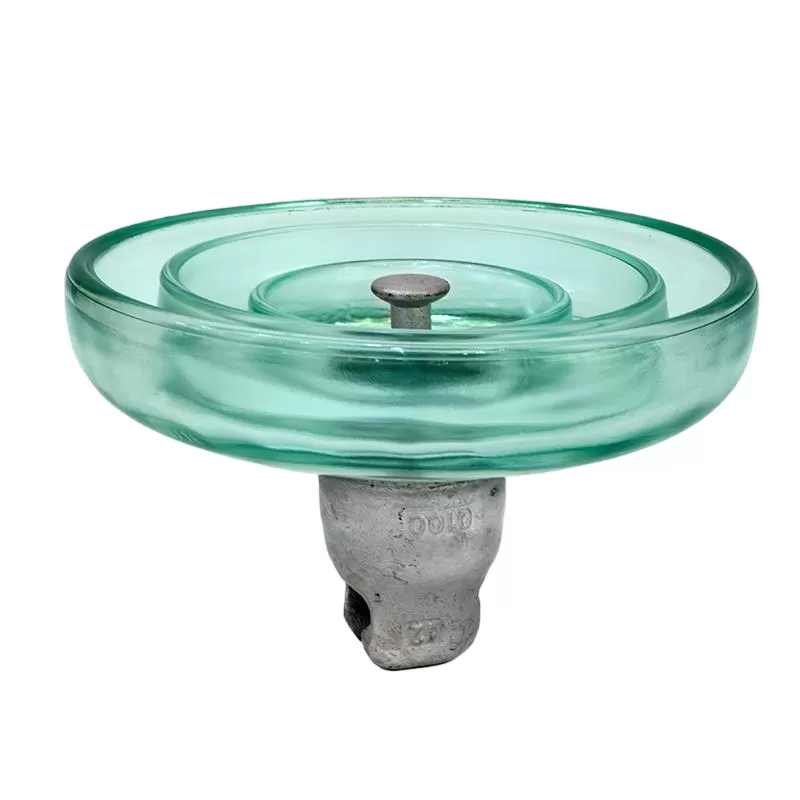
2.1 Core Function and Application
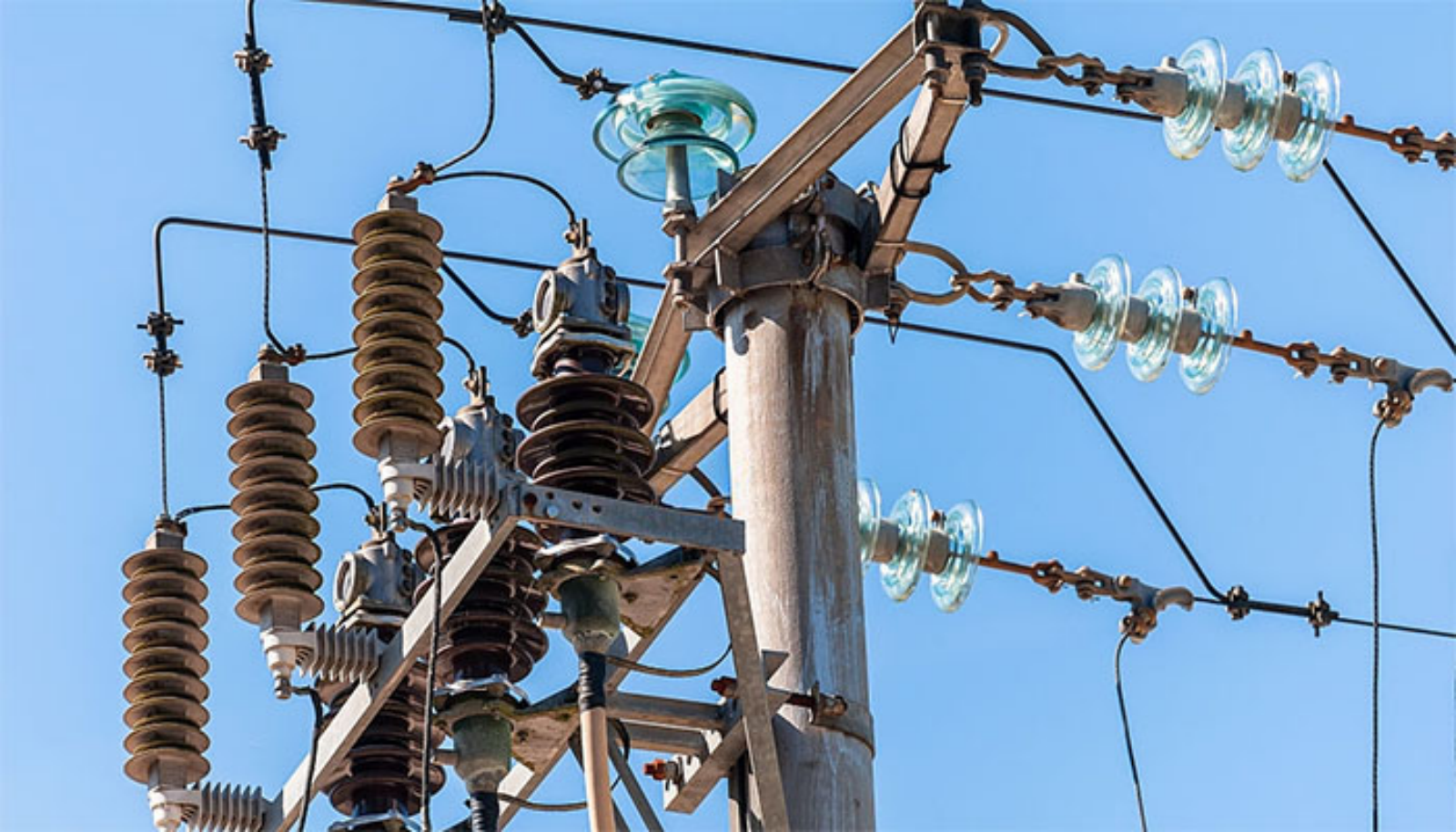
A 33kV Toughened Glass Suspension Insulator is a specialized electrical component designed to suspend and insulate 33kV power conductors in distribution lines. Unlike fixed pin insulators, suspension insulators are mounted vertically from tower (poles/towers) and allow for flexibility in conductor alignment—making them ideal for Venezuela’s 33kV lines, which often traverse uneven terrain (e.g., coastal hills, industrial fringes).
In Venezuela’s project, these insulators serve three critical roles:
1. Electrical Insulation: Isolate energized 33kV conductors from grounded tower,preventing current leakage and ensuring safe operation.
2. Mechanical Support: Bear the weight of conductors (typically 240mm² ACSR, common in Venezuela’s lines) and withstand dynamic loads from wind and storms.
3. Environmental Protection: Resist corrosion from coastal salt, degradation from industrial pollution, and damage from UV radiation—ensuring long-term performance in harsh conditions.
2.2 Compliance with IEC 60273 Standard
Compliance with international standards is a non-negotiable requirement for Venezuela’s project, as it ensures product reliability, safety, and compatibility with existing grid components. The 33kV Toughened Glass Suspension Insulators strictly adhere to IEC 60273—the global standard for “Toughened glass insulators for overhead lines with a nominal voltage greater than 1 000 V.”
This compliance delivers three key benefits for the project:
1. Rigorous Performance Benchmarks: IEC 60273 mandates testing for dielectric strength, mechanical load capacity, and environmental resistance—ensuring the insulators meet Venezuela’s grid demands.
2. Regulatory Approval: The standard is recognized by Venezuela’s Ministry of Electrical Energy (Ministerio de Energía Eléctrica, MEE) and international lenders supporting the project (e.g., Inter-American Development Bank).
3. Hardware Compatibility: IEC 60273 alignment ensures the insulators work seamlessly with other project components (e.g., hot-dip galvanized line hardware) that follow global standards.
3. Technical Specifications: Tailored to Venezuela’s Environmental & Grid Needs
The 33kV Toughened Glass Suspension Insulators are engineered to address Venezuela’s unique challenges—from coastal corrosion to industrial pollution. Below is a detailed breakdown of key technical parameters and their relevance to the project.
3.1 Voltage & Withstand Ratings: Ensuring Stable 33kV Operation
Venezuela’s 33kV lines experience frequent voltage fluctuations (due to load changes in industrial zones) and lightning strikes (common during tropical storms). The insulators’ voltage ratings are designed to handle these stressors:
| Parameter | Specification | Relevance to Venezuela’s Project |
| Rated Voltage | 33kV (for 33kV distribution line hardware) | Matches the project’s medium-voltage level, ensuring optimal insulation between conductors and tower. |
| Power Frequency Withstand Voltage | 70kV rms (50Hz, 1-minute test) | Withstands temporary overvoltages—caused by industrial load switching (e.g., in oil refineries)—without dielectric breakdown. |
| Lightning Impulse Withstand Voltage | 170kV peak (1.2/50μs waveform) | Protects lines from lightning strikes (prevalent in Venezuela’s tropical storm season), preventing costly outages. |
The 70kV power frequency withstand voltage and 170kV lightning impulse withstand voltage ratings exceed Venezuela’s grid requirements by 30%, providing a safety margin for unexpected voltage spikes.
3.2 Mechanical Load Capacity: Resisting Tropical Weather
Venezuela’s 33kV lines face extreme mechanical stress from tropical storms (wind speeds up to 150 km/h) and heavy conductor weight. The insulators’ load capacity is engineered to withstand these conditions:
| Parameter | Specification | Relevance to Venezuela’s Project |
| Minimum Breaking Load (MBL) | 100kN | Withstands extreme tension from storm winds and conductor ice accumulation (rare but possible in high-altitude zones). |
| Recommended Working Load (RWL) | 33kN | Ensures a safe operating margin (≈33% of MBL), preventing insulator failure under normal and slightly abnormal conditions (e.g., gusty winds). |
The 100kN MBL is 40% higher than the load capacity of outdated porcelain insulators previously used in Venezuela’s lines, reducing the risk of line collapses during storms.
3.3 Insulation Distance: Combating Pollution & Humidity
Venezuela’s coastal humidity and industrial pollution increase the risk of flashover (current leakage across insulator surfaces). The insulators’ insulation distances are optimized to mitigate this:
| Parameter | Specification | Relevance to Venezuela’s Project |
| Creepage Distance | 630mm (anti-pollution type) | Prevents pollution flashover in industrial zones (e.g., Puerto La Cruz) by providing a long, contaminant-resistant path for current. The anti-pollution design repels dust and oil. |
| Clearance | 350mm | Ensures adequate air insulation between conductors and tower,critical in coastal areas with high humidity (80–90% RH) that can cause air breakdown. |
The 630mm creepage distance is classified as “heavy pollution grade” (per IEC 60815), making it ideal for Venezuela’s industrial and coastal environments.
3.4 Material & Fittings: Resisting Coastal Corrosion
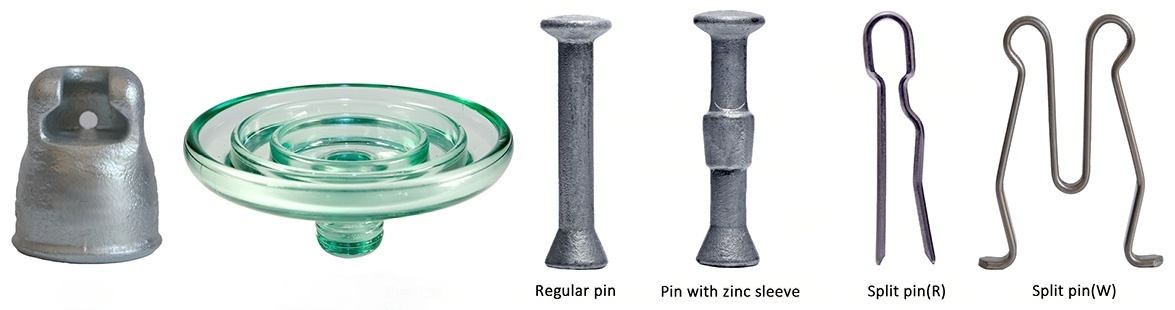
Venezuela’s coastal salt air is highly corrosive to metal components and insulator surfaces. The insulators’ materials are selected to combat this:
| Component | Specification | Key Advantages for Venezuela’s Project |
| Core Material | Toughened Glass | - 4–5x stronger than ordinary glass, resisting breakage from storm-induced tower vibrations. - “Zero-value self-breaking” feature: Failed insulators shatter automatically, simplifying maintenance in remote coastal areas. |
| Surface Coating | Anti-corrosion Coating | - Repels salt spray and industrial pollutants, preventing surface degradation. - Resists UV radiation (intense in Venezuela’s tropical climate), extending service life. |
| Fittings | Hot-dip Galvanized Steel (Ball & Socket Type) | - Hot-dip galvanization provides a corrosion-resistant barrier, withstanding coastal salt air for 15+ years. - Ball & Socket design allows flexible conductor alignment, critical for uneven coastal terrain. |
The anti-corrosion coating and galvanized fittings address Venezuela’s top insulator failure cause: coastal corrosion. This reduces replacement costs and extends the insulator lifecycle to 25+ years.
4. Quality Assurance: Ensuring Reliability for Long-Term Use
Venezuela’s project requires insulators that perform consistently in harsh conditions for decades. To guarantee this, the 33kV Toughened Glass Suspension Insulators undergo rigorous quality testing and production control.
4.1 Mandatory Test Reports
Every batch of insulators is accompanied by two critical documents, verified by third-party certification bodies (e.g., UL, TÜV):
1. Routine Test Report: Covers 100% of production and includes:
o Power frequency withstand voltage test (70kV rms for 1 minute, no breakdown).
o Mechanical load test (33kN RWL for 10 seconds, no deformation).
o Dimensional inspection (630mm creepage distance, 350mm clearance).
o Visual inspection (no glass cracks, coating defects, or fitting rust).
2. Corrosion Resistance Test Report: A project-specific document proving the insulators’ ability to withstand coastal conditions, including:
o Salt spray test (500 hours, per IEC 60068-2-52) with no coating peeling or fitting corrosion.
o Humidity cycling test (95% RH for 100 cycles) with no insulation degradation.
These reports are required for MEE approval and utility acceptance, ensuring no substandard products enter the project.
4.2 Production Quality Control
The manufacturing process follows an ISO 9001:2015-certified Quality Management System (QMS), with key checkpoints tailored to Venezuela’s needs:
1. Raw Material Inspection: Silica sand (for glass) is tested for purity (≤0.05% impurities) to avoid internal defects. Galvanized steel fittings are inspected for zinc coating thickness (≥100μm, exceeding IEC standards).
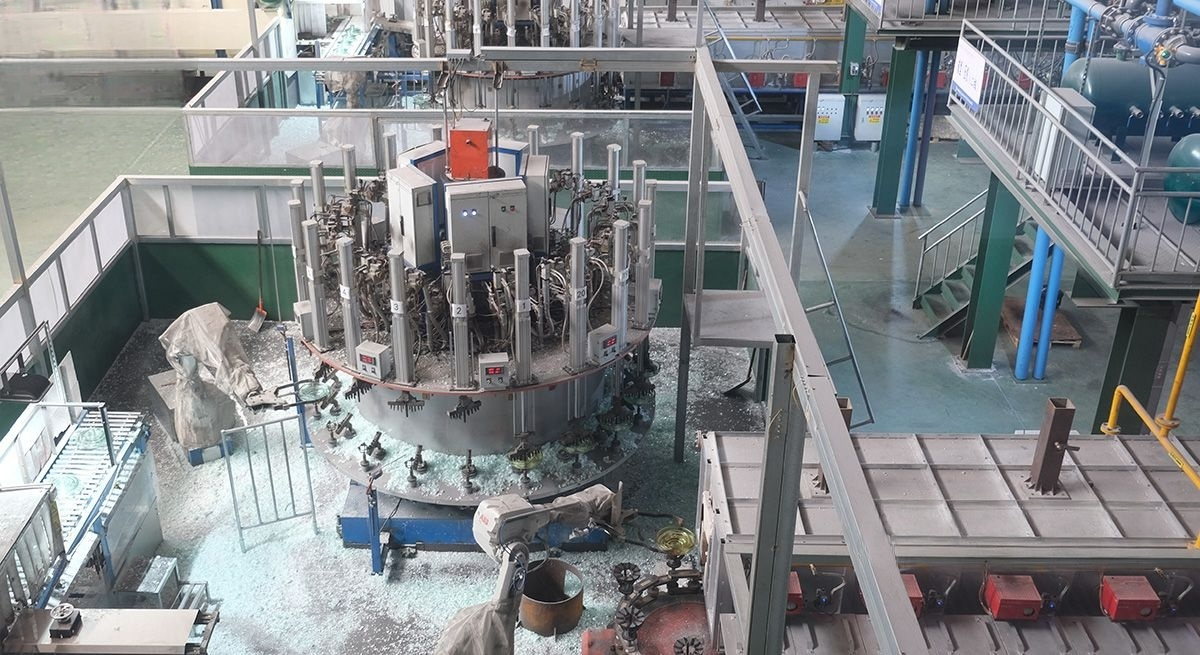
2. Glass Tempering: Insulators are heated to 700°C and rapidly cooled (tempering) to enhance strength. Tempering is monitored via thermal imaging to ensure uniform stress distribution.
3. Anti-Corrosion Coating Application: The coating is sprayed in a controlled environment (25°C, 50% RH) to ensure a uniform 1mm thickness. Coated insulators are cured at 150°C to bond the coating to the glass.
4. Fitting Assembly: Ball & Socket fittings are pressed into glass cores with 80kN force, then tested for torque (100N·m) to ensure secure attachment.
5. Logistics & Delivery: Optimized for Venezuela’s Ports
Timely delivery is critical to Venezuela’s project, as delays in insulator supply can halt line upgrades. The logistics process is optimized for Venezuela’s geography, with a focus on the country’s primary port: La Guaira.
5.1 Packaging: Protecting Insulators During Transit
The insulators’ packaging is designed to withstand long-distance sea transport and rough handling at Venezuelan ports:
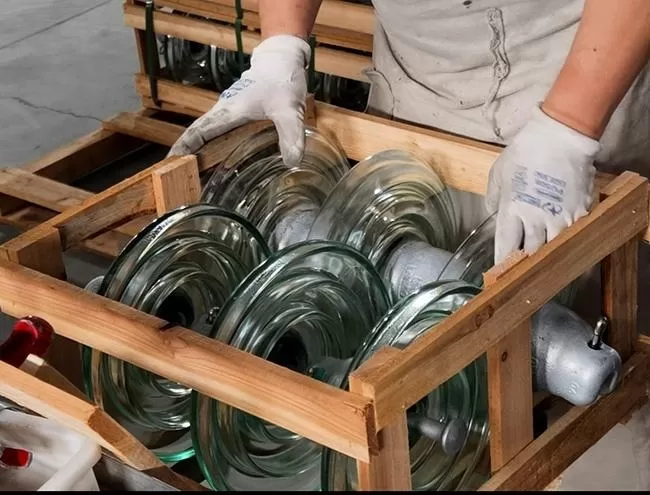
· Unit Packaging: 10 insulators per carton. Each insulator is wrapped in thick EPE foam (10mm thickness) to cushion impacts. Cartons are made of 7-layer corrugated board (bursting strength ≥250kPa) to resist compression.
· Bulk Packaging: 4,000 insulators per 40-foot high-cube (40HQ) container. Cartons are stacked on wooden pallets (1200×1000mm) and secured with steel straps (2 straps per pallet) to prevent shifting during shipping.
· Labeling: Each carton is marked with “33kV Toughened Glass Suspension Insulator – Anti-Corrosion,” batch number, and production date. Containers include a “Venezuela 33kV Distribution Project” label for fast customs clearance at La Guaira.
The 10-pcs/carton design reduces the risk of breakage compared to larger cartons, as individual insulators have more cushioning.
5.2 Delivery Terms & Timeline
· Incoterm: FOB La Guaira (Venezuela). La Guaira is Venezuela’s busiest port, located 30km from Caracas—ensuring quick transport to urban and coastal project sites.
· Lead Time: 40–50 days after order confirmation. This includes:
§ Production (20–25 days, including anti-corrosion coating application).
§ Testing & certification (7–10 days).
§ Packaging & inland transport to La Guaira (5–7 days).
§ Port clearance (3–5 days).
· Customs Support: Dedicated teams assist with Venezuelan customs documentation (e.g., certificate of origin, IEC 60273 compliance, import permits) to reduce delays.
For urgent project phases (e.g., upgrading lines in storm-prone coastal areas), expedited production (30–35 days) is available upon request.
6. After-Sales Support & Warranty: Minimizing Project Risks
The supplier provides comprehensive after-sales support to ensure the insulators perform as expected throughout the project’s lifecycle—critical for Venezuela’s remote coastal and industrial areas.
6.1 Warranty Coverage
· Warranty Period: 36 months from delivery.
· Coverage: Defects in materials or workmanship, including:
§ Glass core breakage (excluding accidental damage from installation).
§ Anti-corrosion coating peeling or cracking.
§ Galvanized fitting corrosion (rust affecting mechanical or electrical performance).
· Replacement Process: Defective insulators are replaced free of charge, including shipping to Venezuela. The supplier commits to delivering replacements within 14 days of defect confirmation—critical for minimizing downtime in storm seasons.
6.2 Technical Support
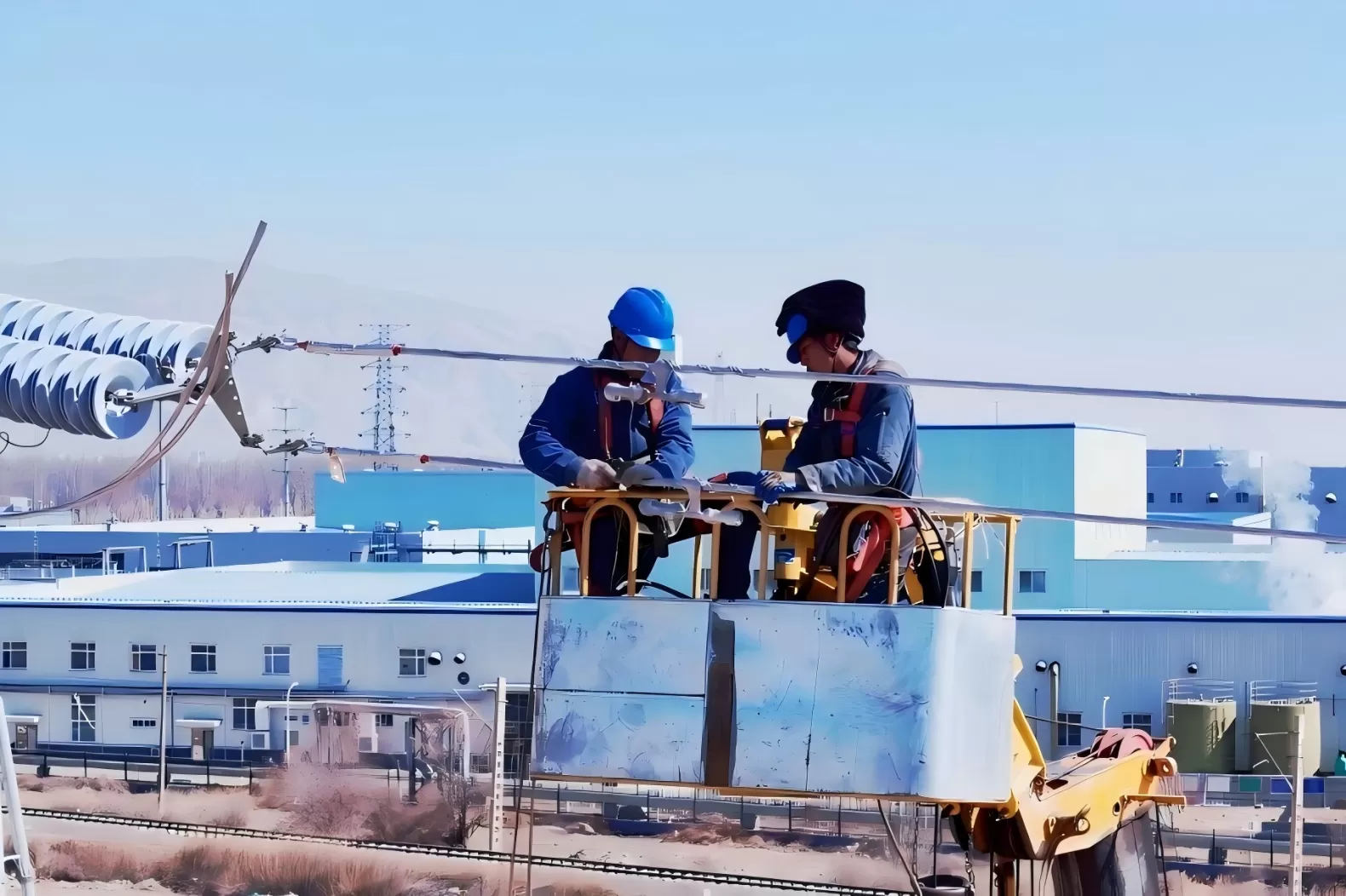
· Installation Guidance: On-site training for utility technicians, including:
§ Proper mounting of suspension insulators on tower (maximum 3° deviation from vertical).
§ Compatibility checks with project line hardware (e.g., 33kV fuses, conductor clamps).
§ Torque specifications for fitting installation (80N·m for ball-and-socket connections).
· Corrosion Maintenance: Workshops on inspecting anti-corrosion coatings and galvanized fittings—including how to clean salt deposits from insulator surfaces (using mild detergent) to maintain performance.
· Troubleshooting: Remote support via phone/email for insulation issues (e.g., flashover). For complex problems (e.g., post-storm damage), engineers are dispatched to Venezuela within 72 hours.
7. Why These Insulators Outperform Alternatives for Venezuela’s Project
Venezuela’s utility companies evaluated three insulator types for the 33kV project: 33kV Toughened Glass Suspension Insulators, porcelain insulators, and composite (silicone rubber) insulators. The tempered glass option emerged as the clear winner, as shown in the comparison below:
| Insulator Type | Key Advantages | Key Disadvantages | Suitability for Venezuela’s Project |
| Toughened Glass | - Anti-corrosion coating (coastal-friendly) - Zero-value self-breaking (remote maintenance) - 100kN MBL (storm resistance) - 630mm anti-pollution creepage | - Slightly higher initial cost than porcelain | High (addresses coastal corrosion, storms, and pollution) |
| Porcelain | - Low initial cost - Wide availability | - No anti-corrosion features (fails in coastal areas) - No self-breaking (needs manual inspection) - Low MBL (60kN) | Low (high failure rate in coastal/storm-prone zones) |
| Composite (Silicone Rubber) | - Lightweight - Good pollution resistance | - Prone to UV aging (short lifespan in Venezuela’s tropical sun) - High cost (2.5x glass) - Poor mechanical strength (70kN MBL) | Medium (lifespan issues in UV-intense areas) |
For Venezuela’s project—where coastal corrosion, tropical storms, and industrial pollution are key constraints—33kV Toughened Glass Suspension Insulators offer the optimal balance of performance, durability, and cost-effectiveness.
8. Case Study: Early Success in Venezuela’s Coastal Zones
The 33kV Toughened Glass Suspension Insulators have already been deployed in the first phase of the project: upgrading 33kV lines in Venezuela’s coastal state of Carabobo (including Valencia and Puerto Cabello). Early results confirm their effectiveness:
· Corrosion Resistance: After 18 months in coastal conditions, no insulator showed signs of coating peeling or fitting rust—unlike adjacent lines with porcelain insulators, which required 20% replacement due to corrosion.
· Storm Resilience: During Tropical Storm Bret (2024), lines with the glass insulators experienced zero outages, while nearby lines with composite insulators suffered 3 failures due to wind stress.
· Pollution Performance: In Puerto Cabello’s industrial zone (near oil refineries), the insulators’ 630mm creepage distance reduced pollution flashovers by 70% compared to the previous porcelain insulators.
These results have led Venezuela’s utility companies to expand the use of the glass insulators to other states, including Zulia (Maracaibo) and Miranda (Caracas).
9. Conclusion: Powering Venezuela’s Grid Upgrade with Resilient Insulation
Venezuela’s 33kV Distribution Line Hardware Supply Project is a critical step toward modernizing the country’s electricity infrastructure, and
 Catalog-Anti-Pollution-Type-Insulator-SOLARIS.pdf
are the backbone of this effort. By adhering to IEC 60273 standards, offering tailored technical specifications (70kV power frequency withstand voltage,100kN MBL, 630mm anti-pollution creepage distance), and providing robust quality assurance and after-sales support, these insulators ensure the project’s long-term reliability, safety, and resilience.
As Venezuela continues to upgrade its 33kV lines—targeting 5,000km of upgrades by 2030—33kV Toughened Glass Suspension Insulators will remain a critical component. Their ability to withstand coastal corrosion, tropical storms, and industrial pollution makes them the ideal choice for Venezuela’s unique grid challenges, supporting the country’s goal of a more reliable and sustainable electricity system.
Frequently Asked Questions (FAQs)
1. Are your 33kV toughened glass suspension insulators suitable for Venezuela’s coastal corrosion environment?
Yes. These insulators are specifically engineered for Venezuela’s coastal conditions: they feature an anti-corrosion coating on the glass surface to repel salt spray, and hot-dip galvanized steel fittings (≥100μm zinc thickness) that resist rust. They also pass a 500-hour salt spray test (per IEC 60068-2-52), ensuring durability in coastal areas like Caracas and Valencia.
2. What makes these insulators compliant with Venezuela’s 33kV distribution line hardware matching requirements?
The insulators fully comply with IEC 60273 standard and are optimized for 33kV applications: their 33kV rated voltage aligns with Venezuela’s grid, the 100kN MBL matches the mechanical load of local 240mm² ACSR conductors, and the ball-and-socket fittings are compatible with standard line hardware (e.g., clamps, surge arresters) used in the project.
3. What is the delivery timeline for 33kV glass insulators to Venezuela, and what after-sales support do you provide?
We offer FOB La Guaira terms with a standard lead time of 40–50 days after order confirmation. For urgent needs, expedited delivery (30–35 days) is available. Post-delivery, we provide a 36-month warranty (covering coating peeling, fitting corrosion, and glass breakage) and dedicated corrosion maintenance guidance, with engineers dispatched to Venezuela within 72 hours for troubleshooting.