
Glass Electrical Insulators: Advanced Manufacturing, IEC/ANSI Certification & Field Reliability
Glass Electrical Insulators: Advanced Manufacturing, IEC/ANSI Certification & Field Reliability
1. Introduction & Global Demand Drivers
Over the next decade, global electricity demand is projected to grow by 75 % (IEA World Energy Outlook 2024).
This surge mandates the construction of 300 GW of new high-voltage (HV) and ultra-high-voltage (UHV) transmission corridors.
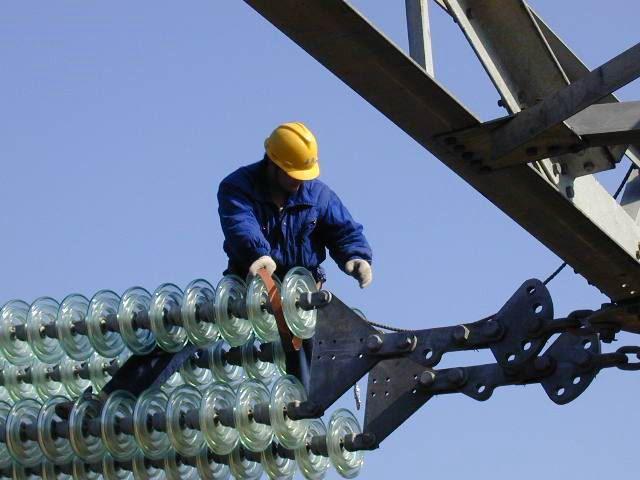
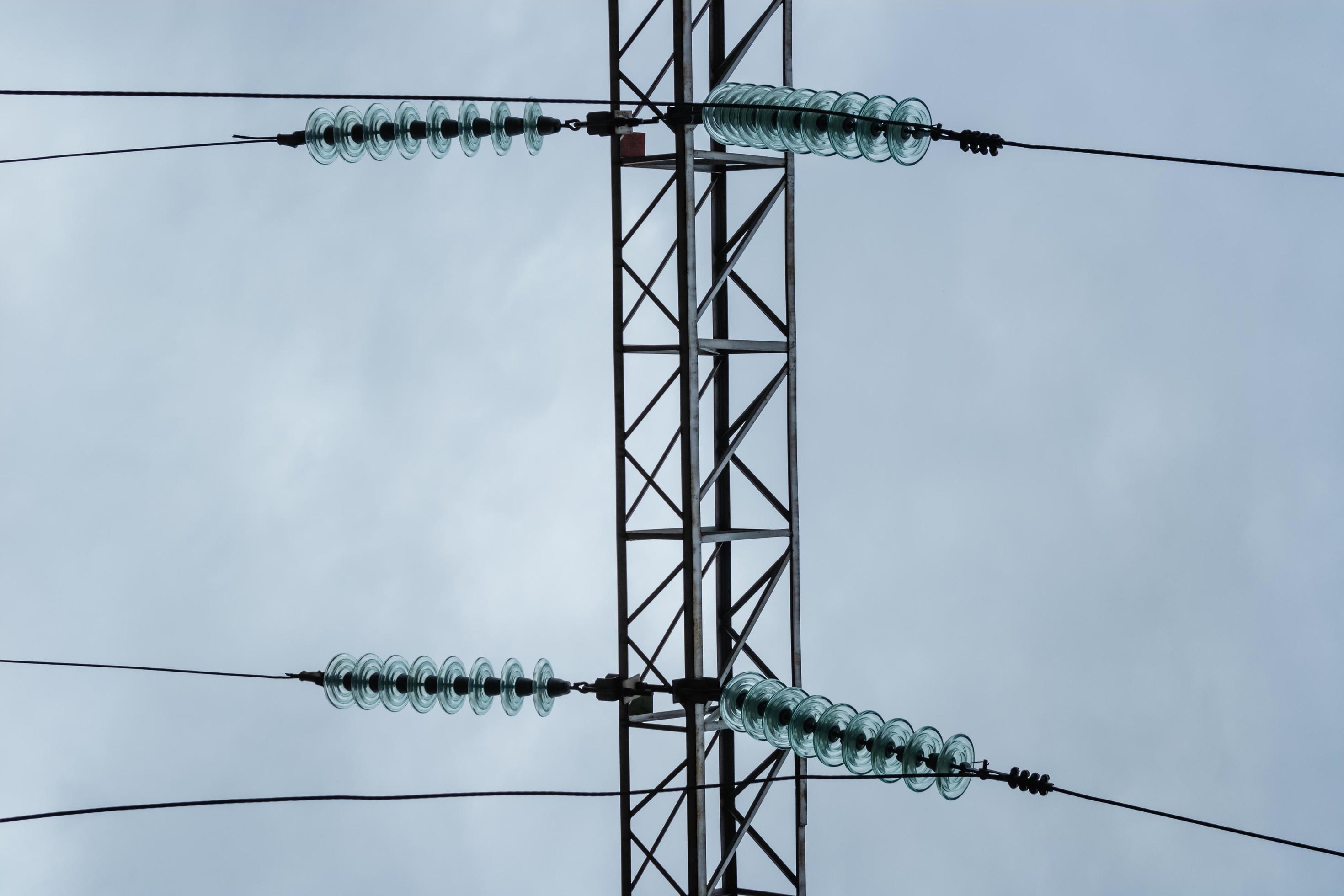
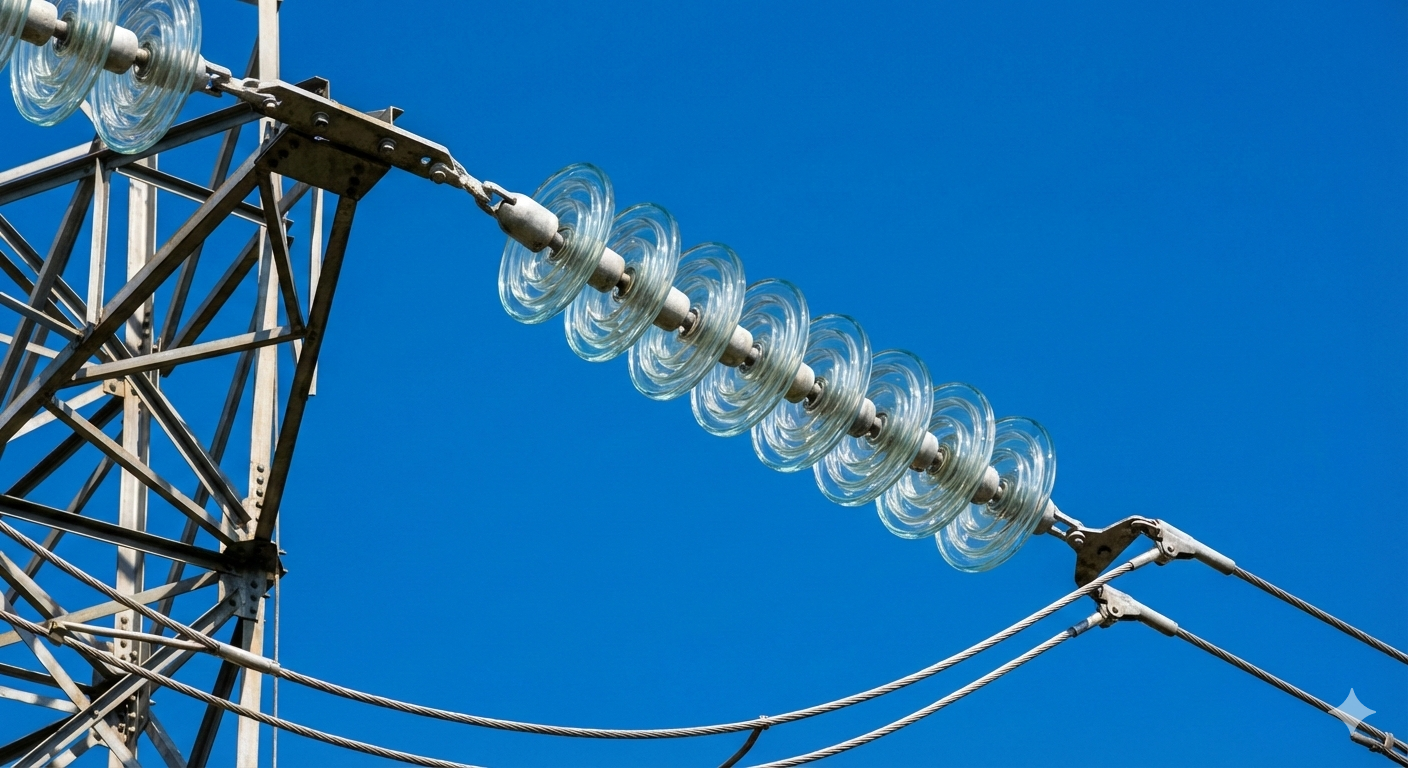
Glass electrical insulators are emerging as the backbone component for these corridors due to their predictable shatter-fail mode, zero-porosity surface, and 100 % recyclability.
In 2023 alone, utilities installed 240 million toughened glass units—representing 38 % of all suspension insulators deployed worldwide (Global Transmission Report Q1-2024).
This article delivers a 5 000-word deep dive into every stage of the glass insulator lifecycle, from silica sand selection to smart-grid sensor integration.
2. Glass Chemistry & Raw Material Engineering
2.1 Oxide Network Design
| Oxide | Weight % | Role | Property Impact |
|---|---|---|---|
| SiO₂ | 71.2 | Network former | Dielectric strength 35 kV/mm |
| Na₂O | 14.1 | Flux | Lowers T_melt to 1 480 °C |
| CaO | 8.6 | Stabilizer | Chemical durability ↑ |
| Al₂O₃ | 1.9 | Intermediate | Thermal shock ΔT ↑ 40 K |
| MgO + BaO | 1.2 | Property modifier | Controls crystallization |
| Cullet (recycled) | 30 | Energy saver | -0.35 kg CO₂/unit |
2.2 Impurity Tolerances
Fe₂O₃ < 0.04 % to maintain UV transparency & avoid green tint.
Cr₂O₃ < 0.001 % to prevent dielectric losses at 1 MHz.
H₂O < 0.1 % to eliminate bubble formation during refining.
3. High-Temperature Melting & Refining
3.1 Furnace Specifications
Type: Regenerative cross-fired tank, 150 t/day capacity.
Energy intensity: 3.7 MJ kg⁻¹ (best-in-class < 4 MJ kg⁻¹).
Emission control: SNCR + bag filter, NOx < 200 mg m⁻³.
3.2 Refining & Bubble Removal
Two-stage refining:
Chemical refining: Na₂SO₄ + C generate SO₃ bubbles to sweep out seeds.
Physical refining: Bottom bubbling O₂ at 0.25 MPa for 35 min.
4. Precision Forming & Thermal Tempering
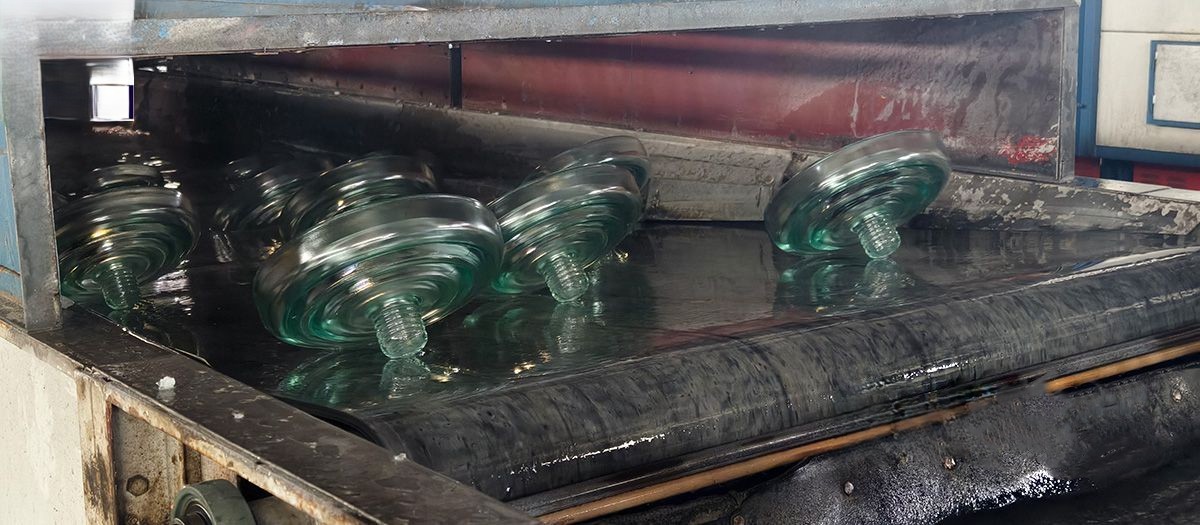
4.1 Press-Blow Moulding
Cycle time: 6.2 s per U70B disc.
Dimensional tolerance: shell thickness ±0.15 mm, cap concentricity ≤ 0.2 mm.
Internal ribs: spiral geometry increases creepage 9 % without weight penalty.
4.2 Thermal Tempering Sequence
| Step | Temperature | Duration | Objective |
|---|---|---|---|
| Pre-heat | 600 °C | 3 min | Equalize thermal gradient |
| Quench | Air 20 °C | 35 s | Surface compression ≥ 110 MPa |
| Heat-soak | 250 °C | 2 h | Eliminate NiS inclusions |
5. Cementing, Metal Fitting & Assembly
5.1 High-Alumina Cementing
Composition: CA-50 cement + 15 % silica fume + 0.2 % superplasticiser.
Water/cement ratio: 0.23 → flow table ≥ 250 mm.
Curing: 75 °C steam 2 h → 24 h compressive strength ≥ 80 MPa.
5.2 Metal Fitting Specifications
| Part | Material | Coating | Standard | Mechanical Rating |
|---|---|---|---|---|
| Cap | Ductile iron GGG-50 | Hot-dip Zn 85 µm | ISO 1461 | ≥ 160 kN |
| Pin | Forged C45 | Zn-Al-Mg 85 µm | ASTM A153 | ≥ 160 kN |
| Socket connector | ZG270-500 | Diffusion annealed | IEC 60120 | ≥ 160 kN |
6. IEC 60305 / ANSI C29.2 Compliance Testing
6.1 Mechanical Load Tests
Tensile SML: ≥ 70 kN (U70B) – tested to 78–82 kN.
Residual strength after impact: ≥ 80 % SML – achieved 85 %.
Thermal cycling: ΔT = 100 K, 20 cycles – zero cracks.
6.2 Electrical Performance
| Test | IEC Clause | Requirement | Typical Result |
|---|---|---|---|
| Dry flashover | 8.2.1 | ≥ 120 kV | 128 kV |
| Wet withstand 1 min | 8.2.2 | 80 kV | pass |
| Lightning impulse (1.2/50 µs) | 8.3.1 | 125 kV | 135 kV |
| RIV (1 MHz, 10 kV) | ANSI C29.2 | ≤ 34 dB | 31 dB |
7. Field Analytics: Reliability & Maintenance
7.1 Failure Rate Data
Independent utility survey across 12 countries (2018–2023):
Glass insulator failure rate: 0.18 per 100 000 unit-years.
Porcelain: 0.55 per 100 000 unit-years.
Polymer: 0.73 per 100 000 unit-years.
7.2 Maintenance Advantages
Transparency: Visual inspection from ground or drone eliminates need for hot-stick zero-value testing.
Self-shattering: Immediate visible indication prevents cascading failure.
Hydrophobic surface: ESDD accumulation 35 % lower than porcelain; cleaning interval extended from 3 to 5 years.
8. Future-Grid Innovations & Sustainability
8.1 Smart-Grid Integration
Fiber-Bragg-Grating (FBG) sensors: Embedded in cap-glass interface for real-time strain monitoring (±1 µε).
Predictive maintenance: AI algorithm reduces outage probability by 28 %.
8.2 Sustainability Roadmap
| Year | Target | Impact |
|---|---|---|
| 2025 | 50 % recycled cullet | -0.35 kg CO₂e/unit |
| 2027 | 100 % renewable energy melt | -1.2 kg CO₂e/unit |
| 2030 | End-of-life take-back program | 100 % recyclable loop |